How to Use Pattern Tiles to Add Elegance and Charm
Lexangrit Editorial Team
August 3, 2026
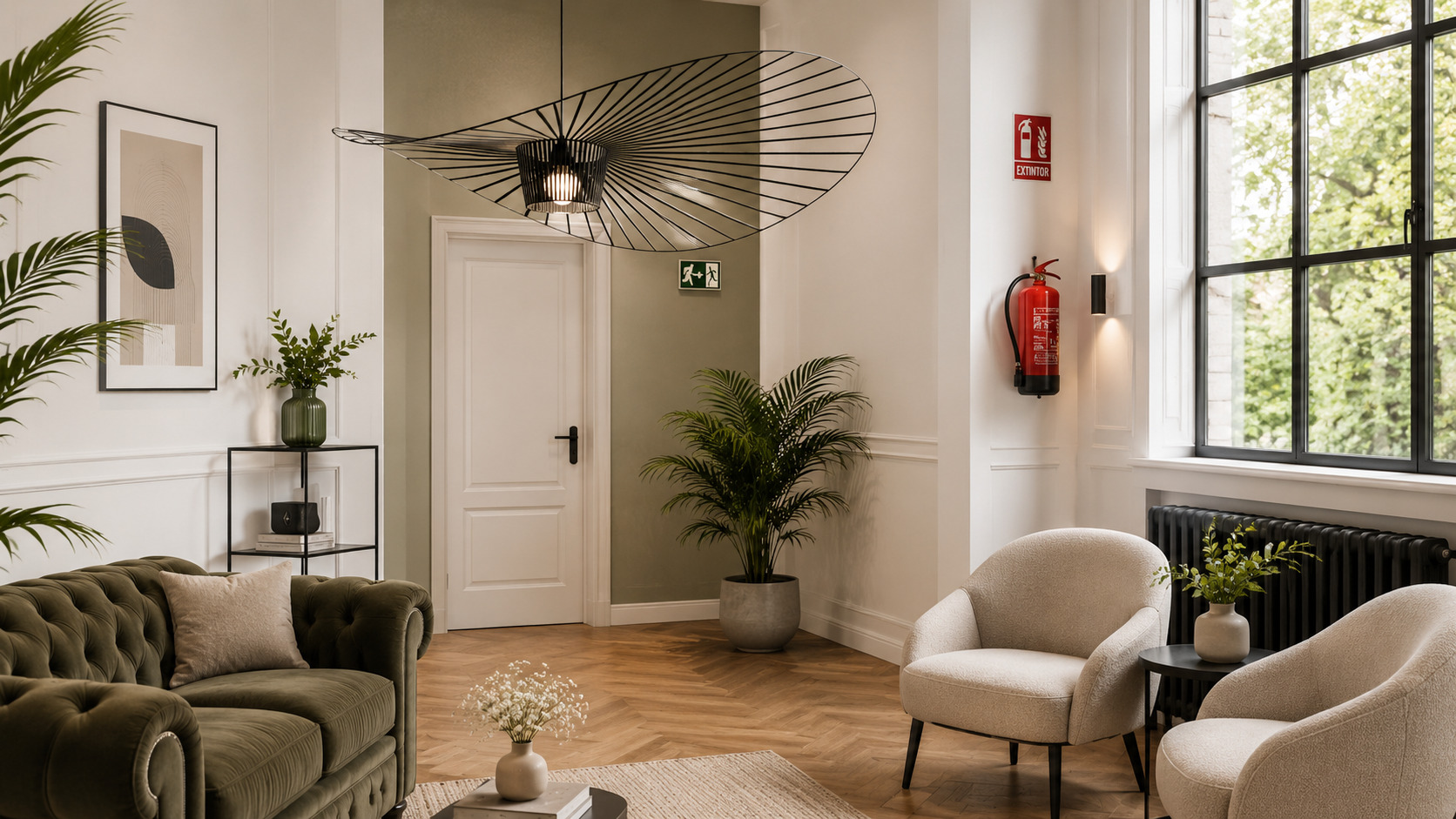
Who says bold flooring has to make a room feel busy? Pattern tiles are one of the most effective ways to add personality, elegance, and timeless charm to any home. Whether you're updating a living room, kitchen, bathroom, hallway, or outdoor patio, the right patterned tiles can instantly transform an ordinary space into a stunning design statement. Many homeowners hesitate to use pattern tiles because they worry the room will feel overwhelming or outdated. The secret lies in choosing the right pattern, balancing it with neutral elements, and allowing the tiles to become the focal point rather than competing with every other design feature. From subtle geometric motifs to classic encaustic-inspired designs, pattern tiles offer endless possibilities for creating interiors that are stylish, sophisticated, and welcoming. This guide will show you how to use them effectively while maintaining a balanced and elegant aesthetic. This featured image is a part Image base
Plan Your Interior Budget
Wondering what your Flooring & Tile Design interior will cost? Get an instant estimate with our free Interior Cost Calculator — no sign-up needed.
Why Pattern Tiles Are Making a Comeback
Interior design trends continue to evolve, but pattern tiles have remained a favorite because they combine functionality with artistic appeal. Unlike plain flooring or walls, patterned tiles introduce movement, texture, and visual interest without relying on additional décor.
Modern manufacturing techniques have also made pattern tiles available in countless colors, materials, and finishes. Whether your home follows a contemporary, Scandinavian, Mediterranean, farmhouse, industrial, or minimalist style, there's a pattern tile that complements your vision perfectly.
Beyond aesthetics, these tiles are durable, easy to clean, and suitable for high-traffic areas, making them both practical and beautiful.
Start with a Neutral Foundation
One of the easiest ways to use pattern tiles without making a room feel crowded is by pairing them with a neutral color palette.
Soft shades like white, cream, beige, greige, light gray, or warm taupe allow patterned flooring or walls to stand out naturally. Neutral surroundings create balance and prevent intricate designs from dominating the space.
If your tiles feature bold geometric or floral motifs, keep walls, furniture, and cabinetry simple. This creates harmony and ensures the room feels elegant rather than overwhelming.
Choose One Statement Area
Pattern tiles are most effective when they highlight a specific area instead of covering every surface.
For example, you can install patterned tiles in an entryway to create a memorable first impression or use them as a kitchen backsplash to introduce character without overwhelming the entire room.
Bathrooms are another excellent place for statement tiles. A patterned shower wall or decorative floor instantly elevates the space while keeping the rest of the design clean and minimal.
Living rooms can benefit from a tiled fireplace surround or an accent floor beneath a coffee table, creating a subtle yet sophisticated focal point.
Match the Pattern to Your Interior Style
Not every pattern works with every design theme, so selecting the right style is essential.
For modern homes, geometric patterns with clean lines offer a sleek and contemporary appearance. Scandinavian interiors pair beautifully with subtle monochrome designs, while Mediterranean homes embrace colorful encaustic-inspired tiles.
Vintage-inspired interiors often feature floral motifs or intricate traditional patterns, whereas industrial spaces benefit from muted geometric tiles with concrete or stone finishes.
Choosing patterns that complement your home's architecture ensures a cohesive overall design.
Balance Bold Designs with Simple Furniture
One of the biggest decorating mistakes is combining patterned tiles with equally bold furniture and accessories.
Instead, allow the flooring or tiled feature wall to become the visual centerpiece by selecting furniture with clean silhouettes and neutral upholstery.
Wooden tables, linen sofas, minimalist shelving, and simple décor create breathing room around the pattern, making it feel intentional rather than chaotic.
This balance allows every design element to shine without competing for attention.
A Pattern Should Catch the Eye, Not Overwhelm the Room
Great interior design is all about balance. When pattern tiles are thoughtfully paired with understated furnishings and natural materials, they add depth and elegance without making the space feel visually crowded.
Experiment with Different Tile Shapes
Pattern isn't created through color alone. The shape and layout of tiles also influence the room's overall appearance.
Hexagon tiles create a contemporary look, while herringbone layouts introduce movement and sophistication. Chevron designs offer a modern twist, and Moroccan-inspired shapes bring warmth and artistic character.
Mixing different layouts can add subtle variation, but it's best to use one dominant pattern to maintain visual harmony.
Add Warmth with Natural Materials
Pattern tiles look even more beautiful when paired with organic textures.
Wood furniture, woven baskets, rattan lighting, linen curtains, stone countertops, and indoor plants soften the structured appearance of patterned surfaces.
These natural elements prevent the room from feeling too formal while creating a welcoming atmosphere.
Warm wood tones also balance cool ceramic or porcelain finishes, making the overall design feel comfortable and inviting.
Use Pattern Tiles in Small Spaces
Contrary to popular belief, pattern tiles aren't limited to large rooms.
Small bathrooms, laundry rooms, powder rooms, mudrooms, and entryways are perfect places to experiment with decorative flooring.
Since these areas are compact, the patterned tiles create maximum visual impact without overwhelming the home.
Keeping surrounding walls light and uncluttered helps maintain an open and airy feel.
"The earth has music for those who listen." — William Shakespeare
Like the subtle beauty found in nature, thoughtfully chosen patterns create harmony through rhythm rather than excess. When used with care, pattern tiles become works of art that quietly elevate everyday living spaces.
Layer Lighting to Highlight Your Tiles
Lighting plays an important role in showcasing patterned surfaces.
Natural daylight enhances colors and textures, making intricate designs appear richer and more vibrant.
During the evening, warm LED lighting or wall sconces create soft shadows that emphasize the tile's texture and craftsmanship.
Avoid harsh lighting, which can flatten the design and reduce its visual appeal.
Create Beautiful Borders and Feature Zones
Instead of tiling an entire room with decorative patterns, consider using them to define specific areas.
Pattern tiles can frame kitchen islands, outline dining spaces, highlight fireplaces, or create decorative borders within larger flooring installations.
This technique introduces elegance while maintaining simplicity across the rest of the room.
Feature zones also help visually separate open-plan living areas without requiring physical walls.
Mix Patterns Carefully
If you want to combine multiple tile designs, consistency is key.
Choose patterns that share similar colors or geometric themes rather than introducing completely unrelated motifs.
Pairing a subtle geometric floor with a lightly textured wall tile often creates a sophisticated layered effect.
Too many contrasting patterns can make the room appear cluttered, so it's best to let one design remain the star of the space.
Common Mistakes to Avoid
Many homeowners choose highly detailed tiles for both the floor and walls, resulting in visual overload.
Another common mistake is selecting furniture with bold prints that compete with the flooring.
Ignoring grout color is another overlooked detail. Matching grout creates a seamless appearance, while contrasting grout emphasizes each tile individually.
Poor lighting, excessive décor, and too many decorative accessories can also reduce the elegance of patterned spaces.
Remember that simplicity often enhances the beauty of intricate tile designs.
Caring for Pattern Tiles
Maintaining pattern tiles is relatively simple with regular care.
Sweep or vacuum frequently to remove dust and debris that may scratch the surface.
Use a mild pH-neutral cleaner instead of harsh chemicals to preserve the finish.
For natural stone tiles, sealing may be necessary to protect against moisture and stains.
Cleaning spills promptly and avoiding abrasive scrubbers will help maintain the beauty of your tiles for years to come.
Why Pattern Tiles Are a Timeless Investment
Unlike short-lived design trends, quality pattern tiles continue to add value and character to homes.
Their versatility allows them to complement changing furniture styles, seasonal décor, and renovation updates without requiring replacement.
Whether installed in a modern apartment, a traditional home, or a contemporary office, they remain both practical and visually appealing.
A well-designed tiled space reflects craftsmanship, creativity, and attention to detail—qualities that never go out of style.
Final Thoughts
Pattern tiles are more than just a decorative feature—they're a design tool that adds elegance, personality, and lasting charm to every corner of your home. By balancing bold patterns with neutral colors, natural textures, simple furniture, and thoughtful lighting, you can create interiors that feel stylish without becoming visually overwhelming.
Whether you're refreshing a small powder room, redesigning your kitchen, or adding character to your entryway, patterned tiles offer endless possibilities for expressing your personal style.
Sometimes, the smallest design details leave the biggest impression—and beautifully chosen pattern tiles prove exactly that.
Frequently Asked Questions (FAQs)
1. Are pattern tiles suitable for small rooms?
Yes. Pattern tiles can make small spaces feel more stylish and unique when paired with light-colored walls and minimal décor.
2. Which rooms are best for patterned tiles?
They work beautifully in kitchens, bathrooms, entryways, hallways, laundry rooms, living rooms, patios, and even feature walls.
3. How do I prevent pattern tiles from making a room look busy?
Balance them with neutral colors, simple furniture, natural materials, and uncluttered décor. Let the tiles remain the main focal point.
4. Are patterned tiles difficult to maintain?
No. Regular sweeping, occasional mopping with a pH-neutral cleaner, and prompt spill removal are usually enough to keep them looking their best.
5. Can I mix different tile patterns?
Yes, but limit the number of patterns and choose designs with complementary colors or similar styles to maintain a cohesive look.