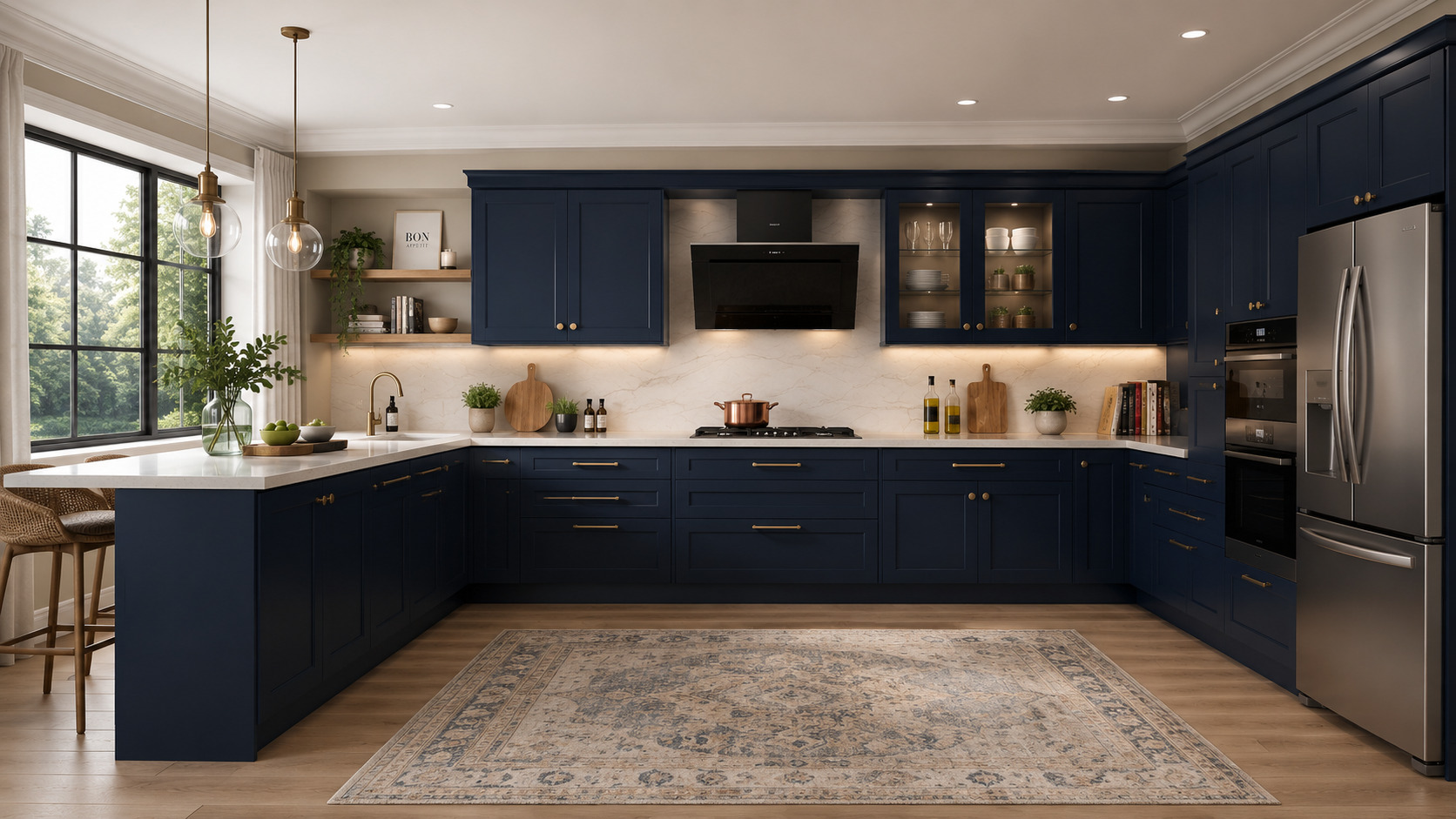
Modular Kitchen vs Carpenter-Made Kitchen: Which One is Better for Your Home?
Lexangrit Editorial Team
July 28, 2026
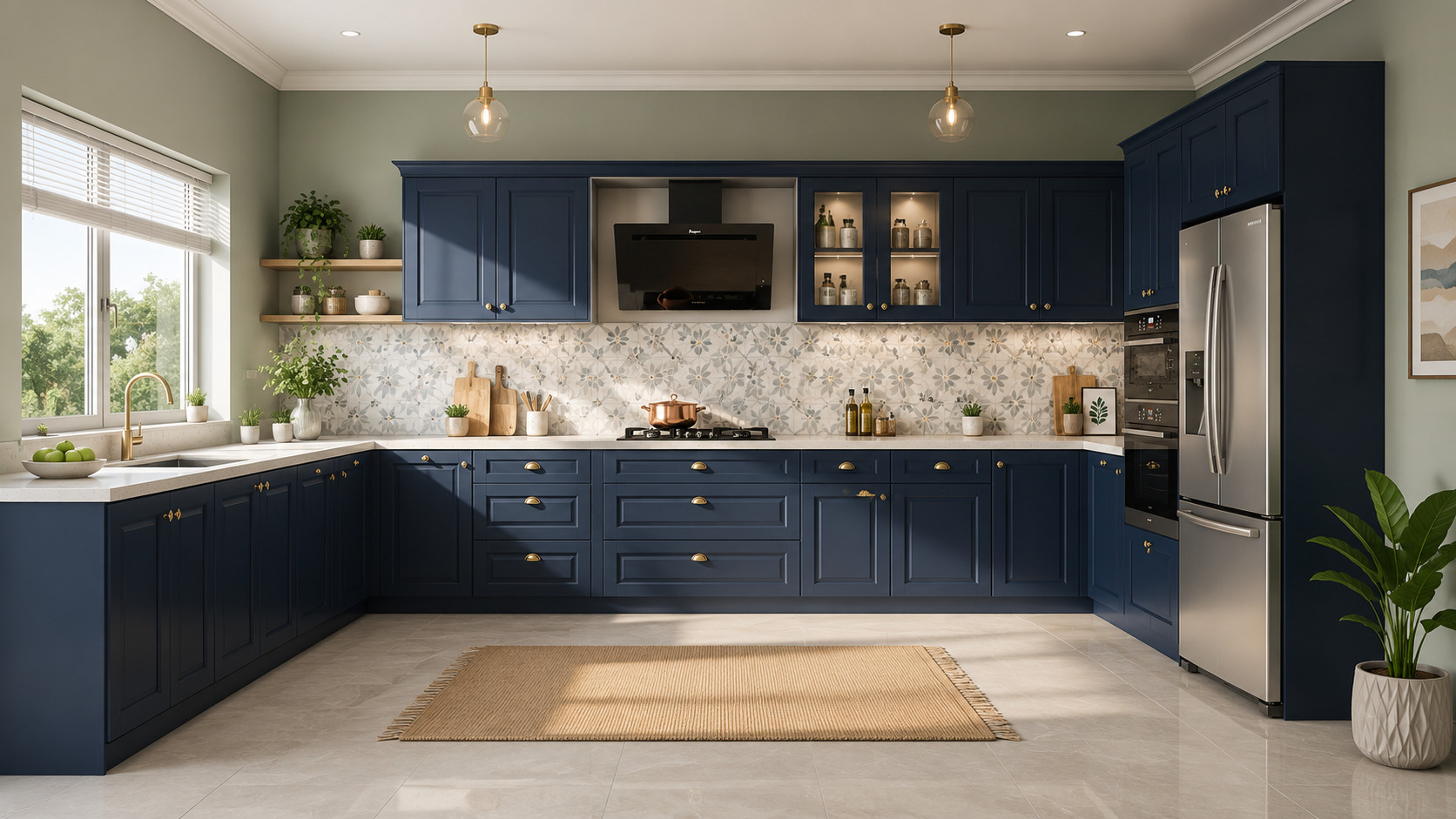
"The heart of every home is the kitchen—and choosing the right one can make everyday life easier, more organised, and more enjoyable." When designing a new home or renovating an existing one, one of the biggest decisions you'll face is choosing between a modular kitchen and a carpenter-made kitchen. Both options can create a functional and beautiful cooking space, but they differ in terms of design, construction, installation, durability, maintenance, and overall value. While modular kitchens are known for their modern aesthetics and factory-made precision, carpenter-made kitchens offer unmatched flexibility and personalised craftsmanship. Understanding these differences will help you make a decision that suits your lifestyle, budget, and long-term needs. This featured image is a part Image base
Plan Your Interior Budget
Wondering what your Modular Kitchen interior will cost? Get an instant estimate with our free Interior Cost Calculator — no sign-up needed.
What Is a Modular Kitchen?
A modular kitchen is a modern kitchen system made up of pre-manufactured cabinet units that are produced in a factory and assembled at your home. These individual modules are designed to fit together seamlessly, creating a sleek and organised kitchen. Because the cabinets are machine-made, they offer consistent quality, precise measurements, and a polished finish. Modular kitchens are also available in a wide variety of colours, materials, finishes, and layouts, making them a popular choice for contemporary homes. Another major advantage of modular kitchens is their functionality. They are designed with smart storage solutions such as pull-out baskets, corner units, tall pantry cabinets, and soft-close drawers that maximise available space while keeping the kitchen clutter-free.
What Is a Carpenter-Made Kitchen?
A carpenter-made kitchen is built entirely on-site by skilled carpenters using materials selected by the homeowner. Every cabinet, shelf, and drawer is crafted according to the exact dimensions of the kitchen, allowing complete freedom in design and layout. Since the kitchen is built from scratch, homeowners can customise every detail, from the type of wood and laminate to the size of cabinets and storage compartments. The quality of a carpenter-made kitchen depends heavily on the carpenter's experience and craftsmanship. A highly skilled carpenter can create a beautiful and durable kitchen, while poor workmanship may affect both appearance and longevity. This option is often preferred for homes with unusual layouts or for homeowners who want complete design flexibility.
Understanding the Difference
Although both kitchen types serve the same purpose, the way they are designed and built is entirely different. A modular kitchen is manufactured in a controlled factory environment using modern machinery, ensuring uniform quality and precision. Once completed, the units are transported to the site and installed within a few days. A carpenter-made kitchen, on the other hand, is constructed entirely at the site. Every piece is measured, cut, assembled, and finished manually, making the process more time-consuming. However, this approach offers greater flexibility for customised designs and unique space requirements.
Design and Visual Appeal
If you prefer a modern, stylish, and elegant kitchen, a modular kitchen is often the better choice. Its clean lines, premium finishes, and contemporary accessories create a sophisticated appearance that complements today's interior designs. Factory-made cabinets also provide a consistent finish, giving the kitchen a refined and professional look.
Carpenter-made kitchens can also be visually appealing, but the final appearance largely depends on the carpenter's skill and attention to detail. While experienced craftsmen can deliver exceptional results, achieving the same level of precision as factory manufacturing can sometimes be challenging.
A Thought to Remember
A kitchen is more than cabinets and countertops—it's where families gather, conversations begin, and memories are created. Choosing the right kitchen means investing in comfort for years to come.
Customisation and Flexibility
One of the greatest strengths of a carpenter-made kitchen is the freedom to customise every aspect of the design. Since everything is built from scratch, homeowners can modify cabinet sizes, storage spaces, shelf heights, decorative elements, and layouts according to their exact requirements. This makes carpenter-made kitchens especially suitable for irregularly shaped rooms or homes with unique design preferences.
Modular kitchens also offer customisation, but within the limitations of pre-designed cabinet modules. While there are many design options available, extensive structural modifications may not always be possible.
Installation Time
Installation is one area where modular kitchens clearly have an advantage. Since all the cabinets are manufactured before arriving at the site, installation mainly involves assembling and fitting the modules, allowing the kitchen to become functional within a relatively short period. A carpenter-made kitchen requires significantly more time because every component is built on-site. The process includes measuring, cutting, assembling, polishing, and finishing, all of which depend on labour availability and weather conditions. As a result, completing a carpenter-made kitchen can take several weeks.
Quality of Finish
Factory manufacturing gives modular kitchens a distinct advantage when it comes to finishing. Machine-cut panels, edge banding, and precision assembly ensure smooth surfaces, accurate alignment, and consistent colours throughout the kitchen. This level of precision is difficult to achieve with manual craftsmanship alone.
As William Shakespeare wisely said, "Better three hours too soon than a minute too late." Taking the time to choose the right kitchen solution before construction begins can save homeowners from expensive repairs, unnecessary delays, and long-term maintenance issues.
Storage and Functionality
Modern kitchens are expected to do much more than simply provide cooking space. Efficient storage has become an essential feature, and modular kitchens are specifically designed to maximise every available inch. Features such as pull-out drawers, corner organisers, pantry units, bottle holders, and built-in accessories help keep the kitchen organised while making everyday tasks more convenient. Carpenter-made kitchens can also include similar storage solutions, but these often need to be planned separately and may require additional hardware, increasing both cost and installation time.
Maintenance
Maintaining a modular kitchen is generally easier because its factory-finished surfaces are designed to resist moisture, stains, and daily wear. Cleaning requires minimal effort, and if a cabinet is damaged, it can often be replaced without disturbing the rest of the kitchen. Carpenter-made kitchens may require periodic polishing, repainting, or repairs depending on the materials used and the quality of workmanship. Since repairs are usually done manually, replacing damaged sections can be more time-consuming compared to modular kitchens.
Cost Comparison: Which Kitchen Offers Better Value?
Cost is often the deciding factor when choosing between a modular kitchen and a carpenter-made kitchen. However, looking only at the initial price can be misleading. It's important to consider installation, maintenance, repairs, and long-term durability before making a decision. A carpenter-made kitchen may appear more affordable at first because you can choose materials that fit your budget and hire local labour. However, the final cost can increase due to additional expenses such as hardware, polishing, transportation of materials, and extended labour charges. Delays during construction may also add to the overall expense. A modular kitchen usually requires a higher upfront investment, especially if you choose premium finishes and branded accessories. The advantage is that the price often includes design, manufacturing, installation, and standard hardware, making budgeting more predictable. Over time, the lower maintenance requirements and ease of replacing damaged modules can make it a cost-effective option. If you're planning your kitchen for the long term, focusing on value rather than just the initial cost is often the smarter approach.
Durability: Which One Lasts Longer?
The durability of any kitchen depends on the quality of materials, workmanship, and regular maintenance. Both modular and carpenter-made kitchens can last for many years when built using high-quality materials. Modular kitchens are manufactured in controlled factory environments using advanced machinery. This results in accurate cutting, sealed edges, and consistent finishing that improve resistance to moisture, termites, and everyday wear. Many reputed manufacturers also use engineered wood products with protective laminates that increase durability. Carpenter-made kitchens can be equally durable, especially when built using premium plywood or solid wood by an experienced carpenter. However, because construction happens on-site, the quality may vary depending on craftsmanship, material handling, and finishing techniques. Poor workmanship can lead to uneven surfaces, gaps, or moisture-related issues over time. In general, a well-built kitchen—regardless of its type—can serve your family for well over a decade with proper care.
Pros of a Modular Kitchen
A modular kitchen offers several advantages that make it a preferred choice for modern homes. It provides a stylish and contemporary appearance while making efficient use of available space. The installation process is quick, helping homeowners avoid lengthy construction work. Factory-made cabinets ensure a consistent finish, while advanced storage accessories improve convenience and organisation. Maintenance is simple, and damaged modules can usually be replaced without dismantling the entire kitchen. Many manufacturers also provide warranties, giving homeowners additional peace of mind.
Pros of a Carpenter-Made Kitchen
A carpenter-made kitchen stands out for its flexibility and personalisation. Every cabinet and shelf can be designed according to your exact requirements, making it ideal for unique layouts or homeowners with specific preferences. You have complete freedom to choose materials, finishes, and storage arrangements while adjusting the design throughout the construction process. It is also easier to match traditional or customised interior styles that may not be available in modular designs.
Challenges of a Modular Kitchen
Despite its many benefits, a modular kitchen also has a few limitations. Extensive design changes after manufacturing can be difficult and expensive. Premium materials and branded accessories may significantly increase the overall cost. Since the cabinets are built as modules, there can be limitations when working with highly irregular kitchen layouts. Repairs involving specialised fittings may also require assistance from the manufacturer.
Challenges of a Carpenter-Made Kitchen
Carpenter-made kitchens require more time for construction and finishing because every component is built on-site. The final quality depends entirely on the carpenter's experience, making it difficult to guarantee consistent results. Dust, noise, and construction waste are common during installation, and future repairs or replacements may require additional labour. Without proper finishing, exposure to moisture can also affect the lifespan of the cabinets.
Which Kitchen Should You Choose?
The right choice depends on your priorities rather than following a single trend. If you want a modern kitchen with premium finishes, quick installation, intelligent storage, and minimal maintenance, a modular kitchen is an excellent investment. It is particularly suitable for apartments, contemporary homes, and busy families looking for convenience and long-term functionality. On the other hand, if your priority is complete customisation, traditional craftsmanship, or working within a flexible budget, a carpenter-made kitchen may be the better option. It works especially well for homes with unconventional layouts or homeowners who want every detail tailored to their personal preferences. Ultimately, the best kitchen is the one that fits your lifestyle, cooking habits, available space, and future needs.
Final Verdict
Choosing between a modular kitchen and a carpenter-made kitchen is not about deciding which one is universally better—it's about finding the option that aligns with your lifestyle and expectations. A modular kitchen offers speed, precision, modern aesthetics, and smart storage solutions, making it ideal for homeowners who value convenience and a polished finish. A carpenter-made kitchen, meanwhile, provides unmatched flexibility and personalised craftsmanship for those who want a kitchen tailored to their exact vision. Before making your decision, evaluate your budget, kitchen layout, maintenance preferences, and long-term goals. A thoughtfully planned kitchen isn't just an investment in your home—it's an investment in years of comfortable cooking, effortless organisation, and memorable family moments.
Frequently Asked Questions
Is a modular kitchen more expensive than a carpenter-made kitchen?
Not always. While modular kitchens often have a higher initial cost, they can offer better long-term value because of faster installation, lower maintenance, and easier repairs.
Which kitchen lasts longer?
Both options can be highly durable when made with quality materials. The lifespan depends more on workmanship, material quality, and maintenance than on the type of kitchen itself.
Can a modular kitchen be customised?
Yes. Modular kitchens offer a wide range of layouts, colours, finishes, and accessories. However, they generally provide less flexibility than a fully carpenter-made kitchen.
Which kitchen is easier to maintain?
Modular kitchens are generally easier to clean and maintain because of their factory-finished surfaces and replaceable cabinet modules.
Is a carpenter-made kitchen still a good option?
Absolutely. A carpenter-made kitchen remains a great choice for homeowners seeking complete design freedom, personalised craftsmanship, and flexibility in material selection.