Mastering Monochrome: A Guide to Blending Earthy Elements into Your Living Room Palette
Lexangrit Editorial Team
August 4, 2026
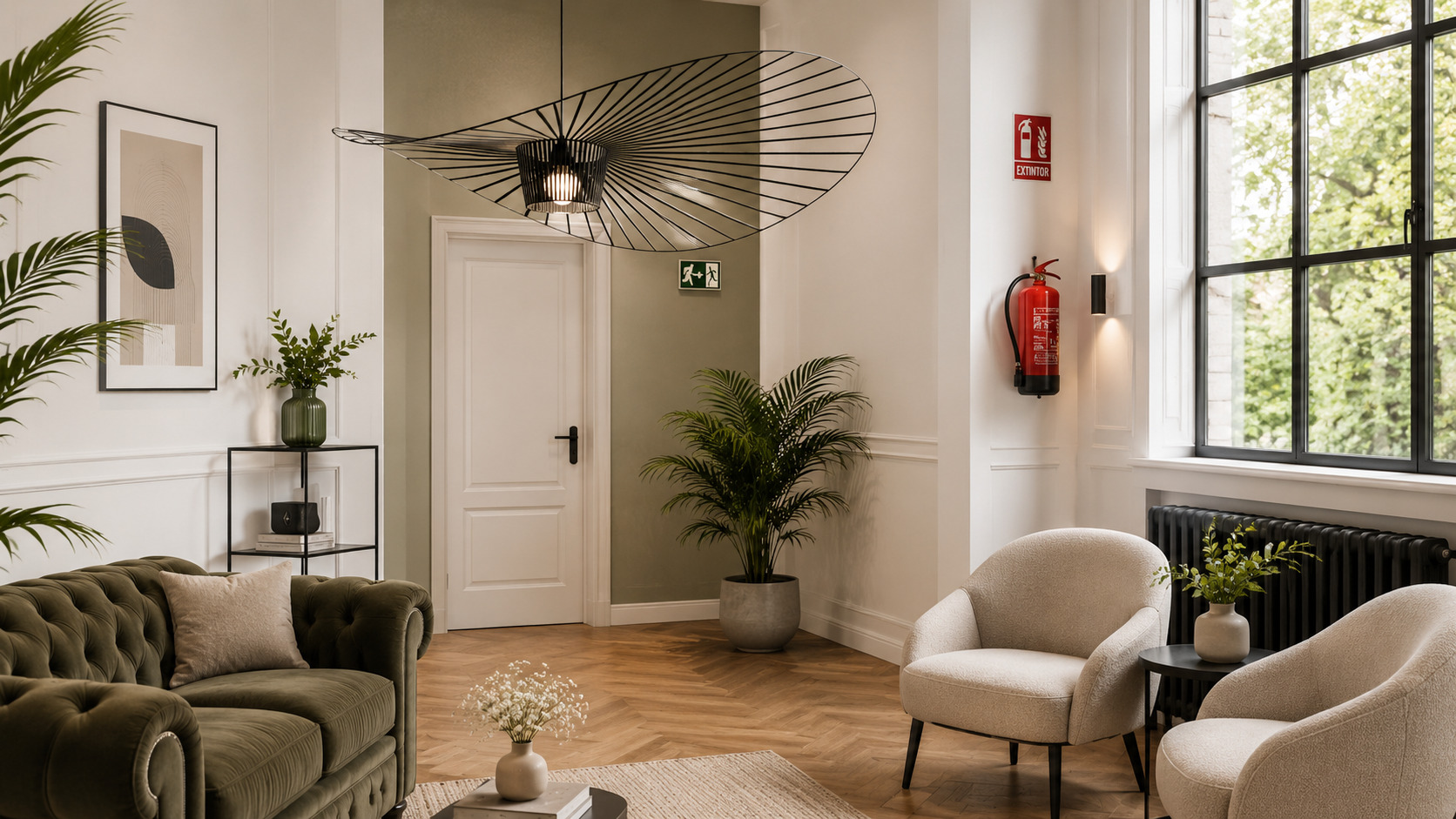
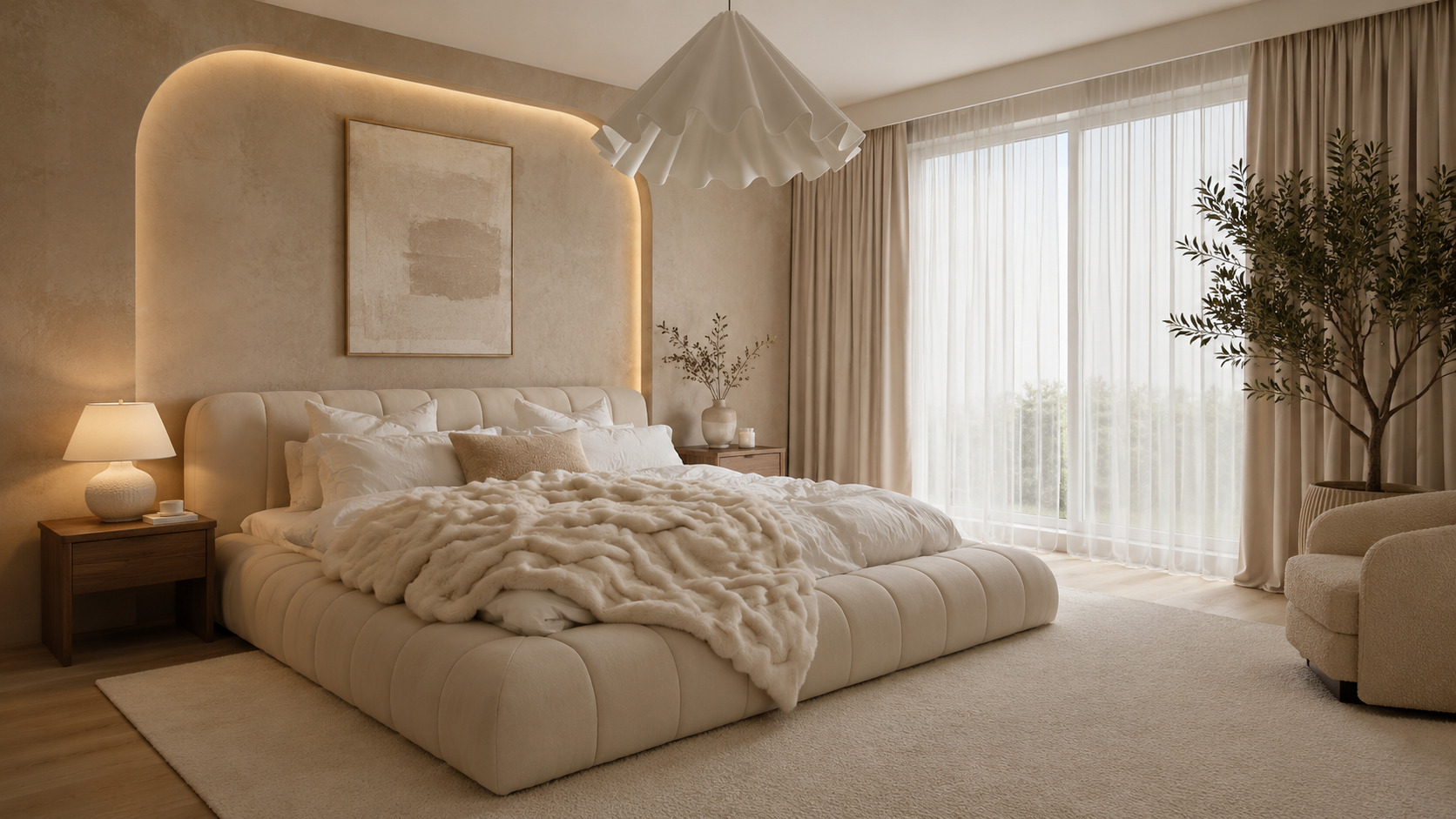
A monochrome living room doesn't have to feel cold or uninspiring. When paired with earthy elements, a monochromatic palette transforms into a warm, sophisticated, and inviting space that radiates timeless elegance. By layering neutral shades with organic textures and natural materials, you can create a living room that's both visually stunning and exceptionally comfortable. Whether you love modern minimalism or cozy contemporary interiors, blending earthy tones into a monochrome design offers endless possibilities for creating a balanced and harmonious home. Monochrome isn't about using less color—it's about creating more emotion with every carefully chosen shade. This featured image is a part Image base
Plan Your Interior Budget
Wondering what your Living Room Decor interior will cost? Get an instant estimate with our free Interior Cost Calculator — no sign-up needed.
Why Monochrome Never Goes Out of Style
Monochrome interiors have remained a favorite because of their simplicity and versatility. Instead of relying on bold colors, they emphasize texture, contrast, and thoughtful styling.
Benefits include:
- Timeless appeal
- Easy coordination
- Calm and clutter-free appearance
- Greater focus on furniture and décor
- Adaptable to every season
The secret lies in using multiple shades of the same color family rather than one flat tone throughout the room.
Build Your Palette with Earthy Neutrals
A successful monochrome space begins with selecting warm, earthy shades that feel natural and welcoming.
Popular colors include:
- Warm white
- Cream
- Beige
- Taupe
- Sand
- Stone gray
- Soft brown
- Clay
These tones create a soothing backdrop while allowing decorative pieces to stand out effortlessly.
Layer Different Textures
Without texture, monochrome interiors can appear flat. Mixing various materials creates depth and visual interest.
Consider combining:
- Linen curtains
- Bouclé accent chairs
- Chunky knit throws
- Wool rugs
- Velvet cushions
- Natural wood furniture
- Woven baskets
- Ceramic décor
The combination of soft and natural materials makes the room feel warm rather than sterile.
Introduce Natural Wood Finishes
Wood instantly softens monochromatic spaces.
Choose oak, walnut, ash, or reclaimed wood for:
- Coffee tables
- TV units
- Floating shelves
- Side tables
- Decorative trays
- Picture frames
The organic grain of wood beautifully complements neutral color palettes while adding warmth.
"The earth has music for those who listen."
Just as Shakespeare celebrated the beauty of nature, bringing earthy textures and natural materials into your monochrome living room creates harmony, warmth, and timeless character.
Bring Nature Indoors
Greenery is one of the easiest ways to breathe life into a monochrome interior.
Excellent indoor plants include:
- Fiddle Leaf Fig
- Snake Plant
- Olive Tree
- Rubber Plant
- Monstera
- Peace Lily
Pair plants with ceramic or woven planters to maintain the natural aesthetic.
Choose Furniture with Clean Lines
Minimalist furniture helps maintain the elegance of a monochrome design.
Look for:
- Neutral upholstered sofas
- Rounded coffee tables
- Curved accent chairs
- Slim-profile shelving
- Minimal TV consoles
Simple silhouettes keep the room feeling open while allowing textures to become the main design feature.
Layer Lighting for a Cozy Ambiance
Lighting dramatically influences how monochrome interiors feel.
Combine multiple light sources such as:
- Floor lamps
- Table lamps
- Wall sconces
- Pendant lights
- LED accent lighting
Warm white bulbs help enhance earthy tones and create a relaxing atmosphere.
Add Thoughtful Decorative Accessories
Accessories complete the design without overwhelming the space.
Decor ideas include:
- Neutral artwork
- Stone sculptures
- Handmade pottery
- Coffee table books
- Candles
- Textured vases
- Wooden bowls
- Dried pampas grass
Choose fewer, high-quality pieces instead of filling every surface.
Create Contrast Without Bright Colors
Contrast is essential in monochrome interiors.
Introduce subtle variations through:
- Matte and glossy finishes
- Dark charcoal accents
- Black metal fixtures
- Layered textiles
- Different shades of beige and gray
These small contrasts create visual balance while preserving the calming aesthetic.
Keep the Space Clutter-Free
Monochrome design thrives on simplicity.
Maintain organized surfaces by using:
- Hidden storage
- Decorative baskets
- Built-in shelving
- Multi-functional furniture
A clutter-free environment allows every design element to shine.
Final Thoughts
Mastering a monochrome living room is less about limiting yourself to one color and more about embracing texture, warmth, and thoughtful styling. By blending earthy elements such as natural wood, woven fibers, soft textiles, and organic décor into a neutral palette, you can create a space that feels elegant, welcoming, and effortlessly timeless.
The beauty of monochrome lies in its versatility—it provides the perfect canvas for a home that reflects your personality while offering a calm retreat from everyday life.
Frequently Asked Questions (FAQs)
1. What is a monochrome living room?
A monochrome living room uses different shades of a single color family, enhanced with textures and materials to create depth and sophistication.
2. Which earthy colors work best in monochrome interiors?
Beige, taupe, cream, warm gray, sand, clay, and soft brown are ideal choices for creating a cozy monochrome palette.
3. How do I keep a monochrome living room from looking boring?
Layer different textures, incorporate natural wood, add indoor plants, and use varied lighting to create visual interest.
4. Can monochrome work in small living rooms?
Yes. Light neutral shades make small spaces feel brighter, larger, and more open while maintaining a clean and elegant look.
5. What materials complement a monochrome living room?
Natural wood, linen, wool, bouclé, rattan, ceramic, cotton, and woven fibers all enhance the warmth and character of a monochrome design.