Acrylic vs Laminate Kitchen Cabinets: Which Finish Is Better for Your Dream Kitchen?
Lexangrit Editorial Team
July 27, 2026
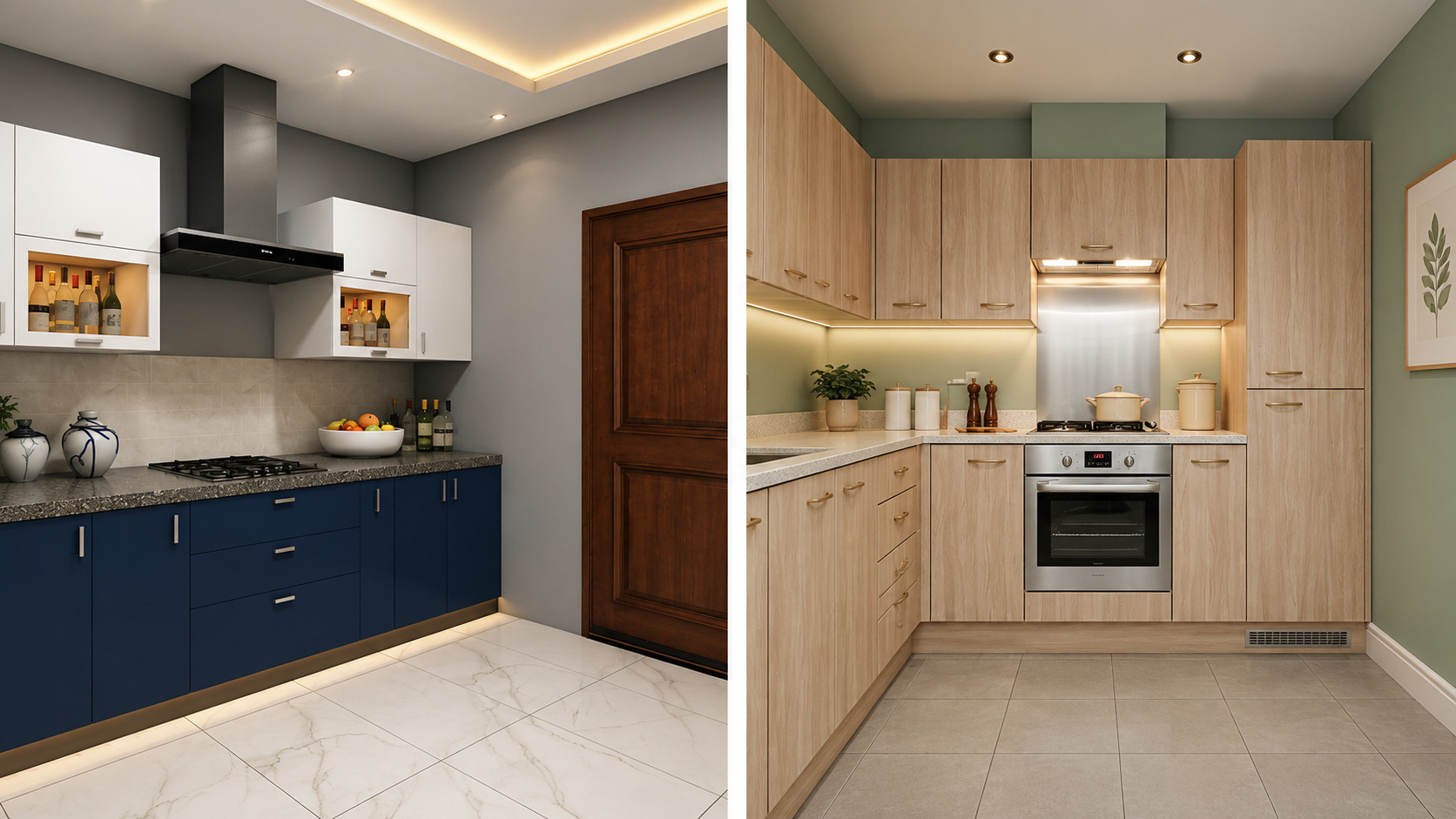
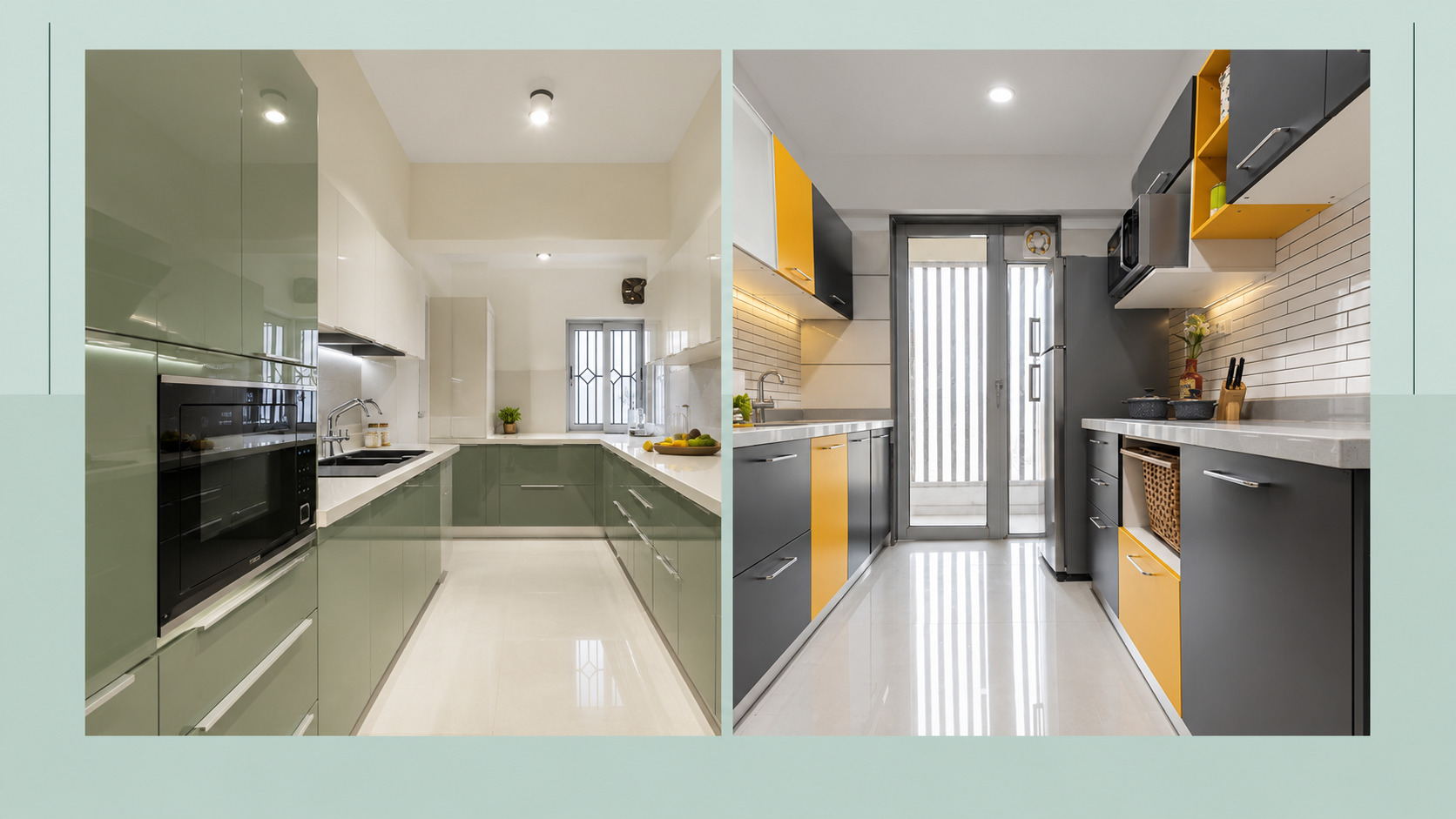
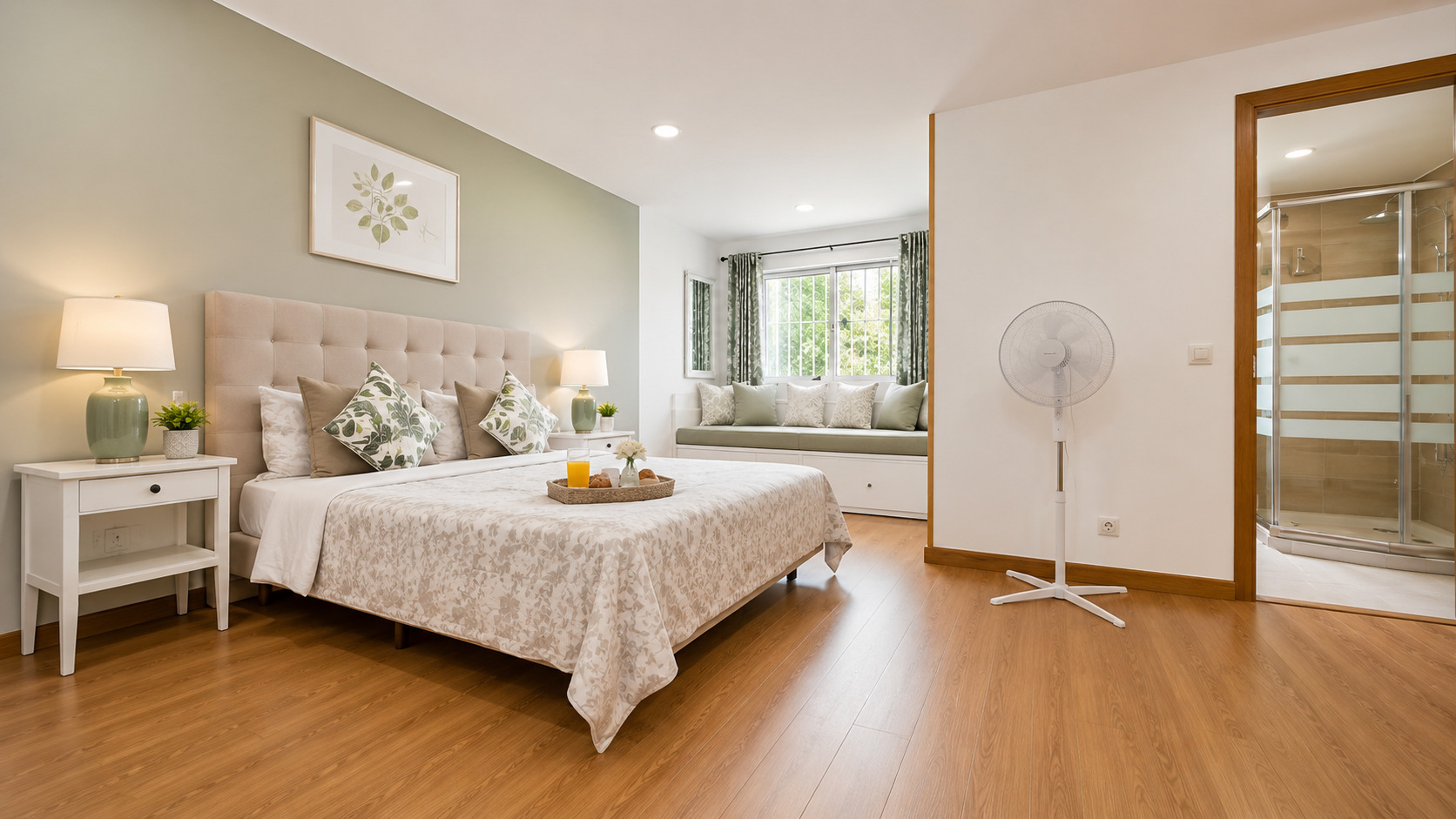
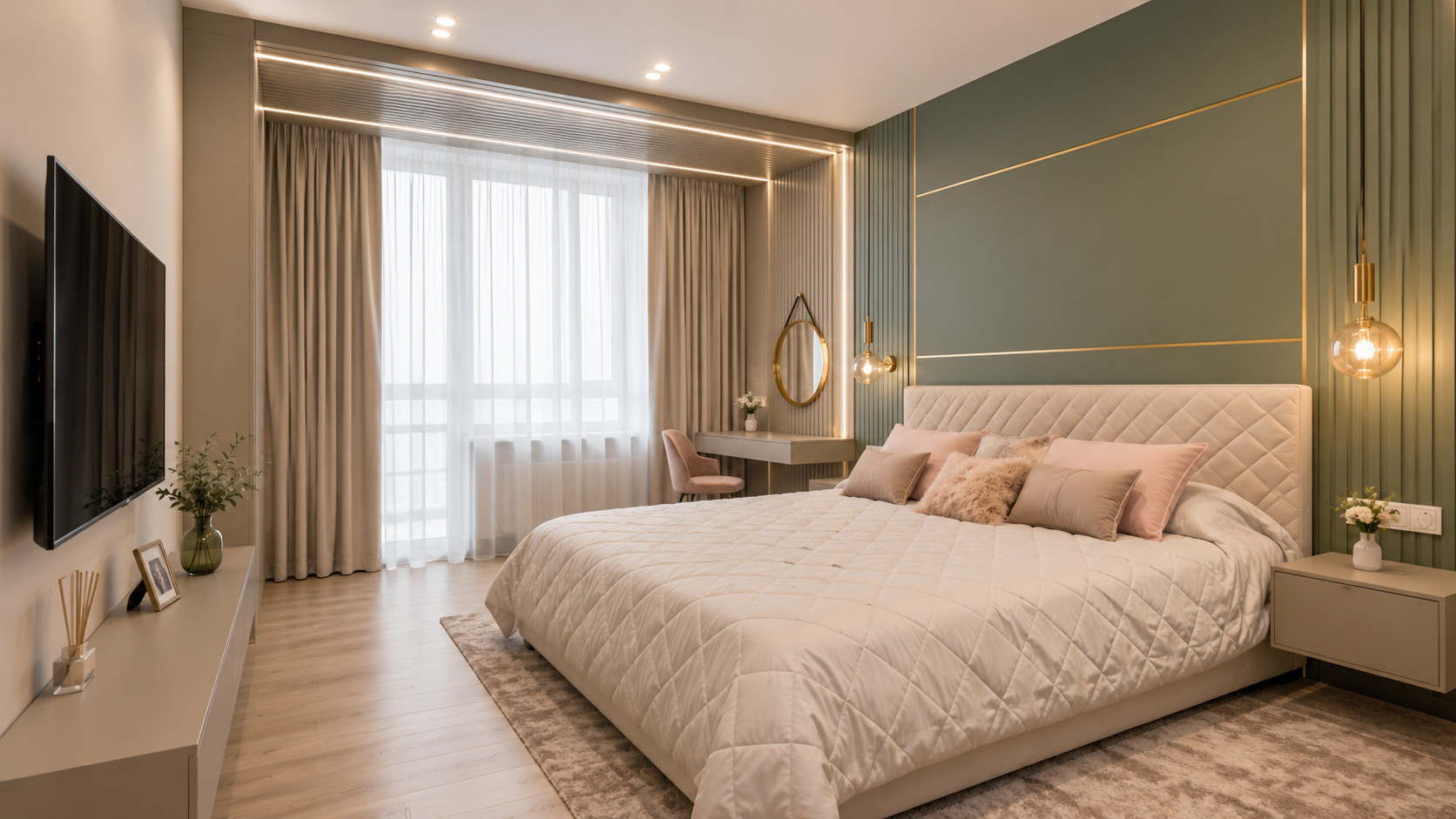
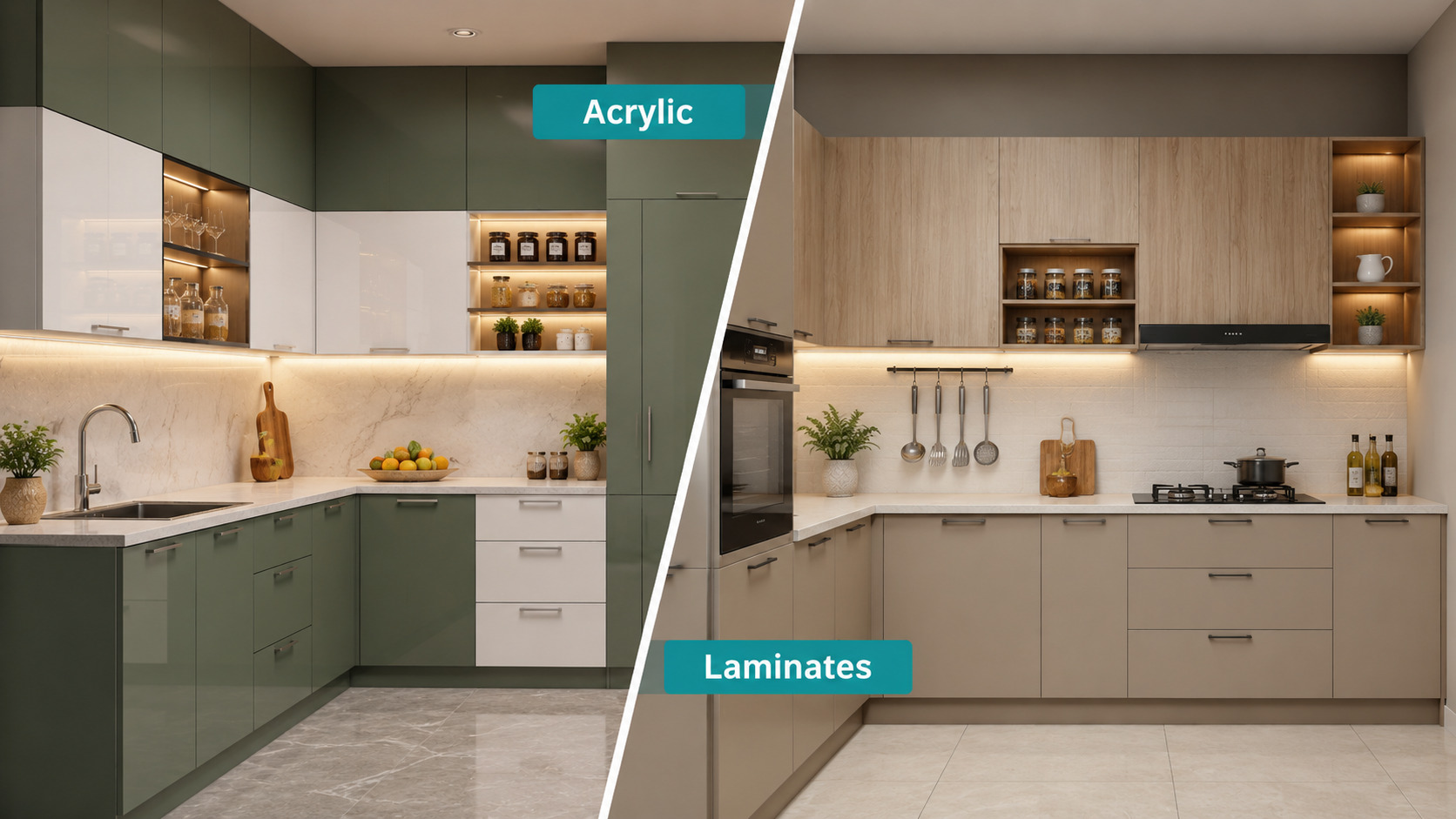
Your kitchen cabinets are the first thing people notice when they enter your cooking space. While cabinet material determines durability, the finish defines the kitchen's overall personality. A glossy, luxurious kitchen creates an entirely different impression than a warm, textured one—even if both use the same cabinet structure. This is why homeowners often find themselves debating Acrylic vs Laminate Kitchen Cabinets before finalising their modular kitchen. Both finishes are popular, stylish, and practical, but they differ significantly in appearance, maintenance, durability, and budget. The finish you choose today will influence how your kitchen looks, feels, and ages over the next decade. That's why this decision deserves as much attention as selecting the cabinets themselves. In this guide, we'll explore the differences between acrylic and laminate kitchen cabinets to help you decide which finish best suits your lifestyle, design preferences, and budget. This featured image is a part Interior design images
Plan Your Interior Budget
Wondering what your Finish Comparison interior will cost? Get an instant estimate with our free Interior Cost Calculator — no sign-up needed.
Many homeowners spend weeks choosing countertops, backsplashes, and appliances while giving little thought to cabinet finishes. However, cabinet doors occupy the largest visual area in most kitchens, making the finish one of the biggest contributors to your kitchen's overall appearance. Beyond aesthetics, the finish also affects scratch resistance, stain resistance, maintenance, cleaning, and long-term durability. A finish that looks stunning on day one should continue looking attractive after years of daily cooking and cleaning. Selecting the right finish ensures that your kitchen remains beautiful while reducing maintenance efforts and future repair costs.
What Are Acrylic Kitchen Cabinets?
Acrylic kitchen cabinets feature a high-gloss surface created by applying an acrylic sheet or coating over MDF, HDHMR, or plywood panels. The finish produces a smooth, reflective appearance that resembles glass while remaining lighter and easier to maintain. One of acrylic's biggest attractions is its premium look. Its mirror-like finish reflects natural and artificial light, making kitchens appear brighter, larger, and more luxurious. This makes acrylic an excellent choice for modern homes where clean lines and minimalistic interiors are preferred. Available in a wide variety of colours, acrylic finishes maintain their vibrancy for years and are less likely to fade compared to many conventional finishes. Their smooth surface also makes everyday cleaning relatively simple, requiring only a soft cloth to remove fingerprints and dust. Because of its elegant appearance, acrylic has become a favourite choice for contemporary modular kitchens and premium interior designs.
What Are Laminate Kitchen Cabinets?
Laminate kitchen cabinets are created by bonding decorative laminate sheets onto cabinet boards using specialised adhesives. These laminate sheets are manufactured under high pressure, producing durable surfaces suitable for everyday household use. Unlike acrylic, laminates are available in an enormous variety of textures, colours, patterns, and finishes. Homeowners can choose from matte, glossy, wood grain, stone-inspired, metallic, fabric-textured, or solid-colour laminates depending on their design preferences. This versatility makes laminate one of the most widely used cabinet finishes in residential kitchens. Whether you're designing a modern apartment, a classic family kitchen, or a Scandinavian-inspired interior, there's likely a laminate design that complements your vision. Laminates also offer good resistance to daily wear, making them a practical option for busy households.
Acrylic vs Laminate Kitchen Cabinets: First Impressions
At first glance, both finishes create attractive kitchens, but they appeal to different design styles. Acrylic immediately stands out because of its deep, glossy shine. Its reflective surface creates a luxurious appearance often associated with premium modular kitchens. If you love sleek, contemporary interiors with bright, polished surfaces, acrylic naturally attracts attention. Laminate, on the other hand, offers much greater design flexibility. Instead of focusing solely on gloss, laminates allow homeowners to experiment with natural wood textures, matte finishes, subtle patterns, and decorative designs. This versatility makes laminate suitable for almost every interior style, from traditional to ultra-modern.
The choice between the two often depends on whether you prioritise luxury aesthetics or greater design variety.
Appearance and Visual Appeal
The visual impact of your kitchen depends largely on the finish covering the cabinet doors. Acrylic reflects light beautifully, creating a smooth, seamless appearance with rich colour depth. In smaller kitchens, this reflective quality can even make the room feel more spacious and open. Laminate creates a completely different experience. Instead of emphasising shine, it focuses on texture and variety. Whether you want the warmth of natural wood, the elegance of stone-inspired patterns, or soft matte colours, laminates offer virtually endless possibilities.
Homeowners looking for a bold, luxurious statement often gravitate towards acrylic, while those seeking creative design flexibility frequently choose laminate.
A Thought Worth Remembering
"Beauty is bought by judgement of the eye." — William Shakespeare
Just as Shakespeare reminds us that beauty is shaped by perception, the perfect cabinet finish isn't about choosing the most expensive option—it's about selecting the one that complements your home's style, lighting, and everyday lifestyle.
Which Finish Matches Modern Modular Kitchens?
Modern modular kitchens emphasise functionality alongside aesthetics. Acrylic complements minimalist interiors exceptionally well. Its glossy finish pairs beautifully with handleless cabinets, integrated appliances, quartz countertops, and contemporary lighting. Laminate, however, adapts effortlessly to a wider range of themes. It works equally well in industrial, rustic, Scandinavian, classic, and transitional kitchens because of the immense variety of textures and colours available. Rather than asking which finish is universally better, homeowners should consider which finish better reflects the atmosphere they want to create within their kitchen.
Durability and Everyday Performance
Kitchen cabinets are opened and closed countless times every day, making durability an important consideration when selecting a finish. Both acrylic and laminate are designed to withstand regular use, but they perform differently under various conditions. Acrylic offers excellent colour stability and retains its glossy appearance for years when properly maintained. Its premium finish gives cabinets a luxurious look that doesn't easily fade, making it a popular choice for modern kitchens. Laminate is well known for its toughness and ability to handle everyday wear. It performs reliably in busy households where cabinets experience frequent use, making it a practical option for families with children or high-traffic kitchens. When durability is measured in terms of handling daily activity, both finishes perform well, but laminate often has an advantage in demanding household environments.
Scratch and Stain Resistance
No kitchen is completely free from accidental knocks, utensil contact, or food spills. Choosing a finish that can handle these situations helps maintain your kitchen's appearance over time.
Acrylic's smooth glossy surface creates an elegant finish, but it can show fine scratches more easily than matte surfaces. Regular care and the use of soft cleaning cloths help preserve its shine. Minor surface marks can often be polished depending on the type of acrylic finish used.
Laminate generally offers better resistance to scratches during everyday use. Its textured and matte finishes also help conceal fingerprints and small surface marks, making maintenance easier in active kitchens. If your kitchen experiences heavy daily use, laminate may require less effort to maintain its original appearance.
Heat and Moisture Resistance
The kitchen is naturally exposed to steam, heat, and occasional moisture, making resistance to these elements essential.
Acrylic performs well under normal kitchen conditions and handles everyday humidity effectively. However, prolonged exposure to excessive heat or direct contact with hot cookware should be avoided to maintain its glossy surface. Laminate is also suitable for kitchen environments and offers dependable resistance to normal heat and moisture when installed correctly. Good edge sealing and proper installation play an important role in maintaining its long-term performance. Regardless of the finish you choose, adequate kitchen ventilation and regular cleaning contribute significantly to extending cabinet life.
Cleaning and Maintenance
One of the biggest concerns for homeowners is how much effort will be required to keep kitchen cabinets looking new.
Acrylic cabinets are easy to clean because of their smooth, non-porous surface. Dust, grease, and fingerprints can usually be removed with a soft microfiber cloth and a mild cleaning solution. Using abrasive cleaners should be avoided to protect the glossy finish.
Laminate cabinets are equally easy to maintain. Most stains can be wiped away with a damp cloth, and textured finishes are particularly effective at hiding fingerprints and everyday smudges. For homeowners seeking a low-maintenance kitchen, both finishes provide convenient cleaning with minimal effort.
Which Finish Offers Better Design Flexibility?
Every homeowner has a unique vision for their dream kitchen. Some prefer bright, glossy interiors, while others favour warm wood textures or elegant matte colours.
Acrylic is best suited to sleek contemporary kitchens where clean lines, reflective surfaces, and minimalist designs take centre stage. It creates a premium appearance that enhances natural and artificial lighting.
Laminate offers considerably more design flexibility. Available in countless colours, textures, and patterns, it allows homeowners to replicate wood, stone, concrete, fabric, or metallic finishes while complementing virtually any interior style.
If design variety is your priority, laminate provides greater creative freedom.
Cost Considerations
Budget often plays an important role when selecting a cabinet finish. Acrylic is generally positioned as a premium finish because of its manufacturing process, luxurious appearance, and high-gloss surface. Homeowners investing in modern designer kitchens often consider acrylic worthwhile for its visual appeal. Laminate is available across a broader price range, making it suitable for both budget-friendly and premium kitchen projects. Its affordability, combined with excellent durability, makes it one of the most widely chosen cabinet finishes. Rather than focusing solely on initial cost, homeowners should consider long-term maintenance, appearance, and lifestyle requirements before making a decision.
Which Finish Is Best for Families?
Families with young children often prioritise durability and easy maintenance over aesthetics alone. Laminate is an excellent choice for busy households because it handles everyday wear comfortably while requiring minimal maintenance. Its textured finishes also help conceal fingerprints and minor scratches. Acrylic is better suited for homeowners who value premium aesthetics and are willing to provide a little extra care to preserve its high-gloss appearance. The best choice ultimately depends on how your kitchen is used on a daily basis.
Acrylic vs Laminate Kitchen Cabinets: Which One Should You Choose?
If your dream kitchen features bright, reflective surfaces and a luxurious contemporary look, acrylic offers exceptional visual appeal that instantly elevates the space.
If you value practicality, design versatility, affordability, and easy maintenance, laminate remains one of the smartest choices for modern kitchens.
Many interior designers also combine both finishes within the same kitchen. For example, acrylic may be used for upper cabinets to create a premium visual impact, while laminate is selected for base cabinets where durability and maintenance are more important. This balanced approach allows homeowners to enjoy the advantages of both finishes.
Final Verdict
The debate between Acrylic vs Laminate Kitchen Cabinets doesn't have a one-size-fits-all answer because both finishes offer distinct advantages. Choose acrylic if you want a sleek, premium, high-gloss kitchen that creates a luxurious and contemporary atmosphere. It is perfect for homeowners who prioritise aesthetics and don't mind giving their cabinets a little extra care. Choose laminate if you're looking for a practical, durable, and cost-effective finish with endless design possibilities. Its versatility, easy maintenance, and resistance to everyday wear make it an excellent choice for most modern homes. Ultimately, the best kitchen is one that reflects your lifestyle as much as your personal style. By balancing appearance, functionality, maintenance, and budget, you can select a cabinet finish that keeps your kitchen looking beautiful and performing well for years to come.
Frequently Asked Questions
Which finish is more durable, acrylic or laminate?
Both finishes are durable when installed correctly. Laminate generally performs better against everyday scratches and heavy use, while acrylic is appreciated for its long-lasting glossy appearance.
Is acrylic better than laminate for modular kitchens?
Acrylic is ideal for homeowners seeking a luxurious, high-gloss finish. Laminate is better suited for those who prioritise affordability, versatility, and ease of maintenance.
Which finish is easier to clean?
Both acrylic and laminate are easy to clean using a soft cloth and mild cleaning solution. Acrylic may require slightly more care to maintain its glossy surface.
Which finish is better for small kitchens?
Acrylic's reflective surface helps make compact kitchens appear brighter and more spacious. Laminate, however, offers greater flexibility in achieving different interior styles.