HDHMR vs Plywood vs BWP: Which Kitchen Cabinet Material Should You Choose?
Lexangrit Editorial Team
July 27, 2026
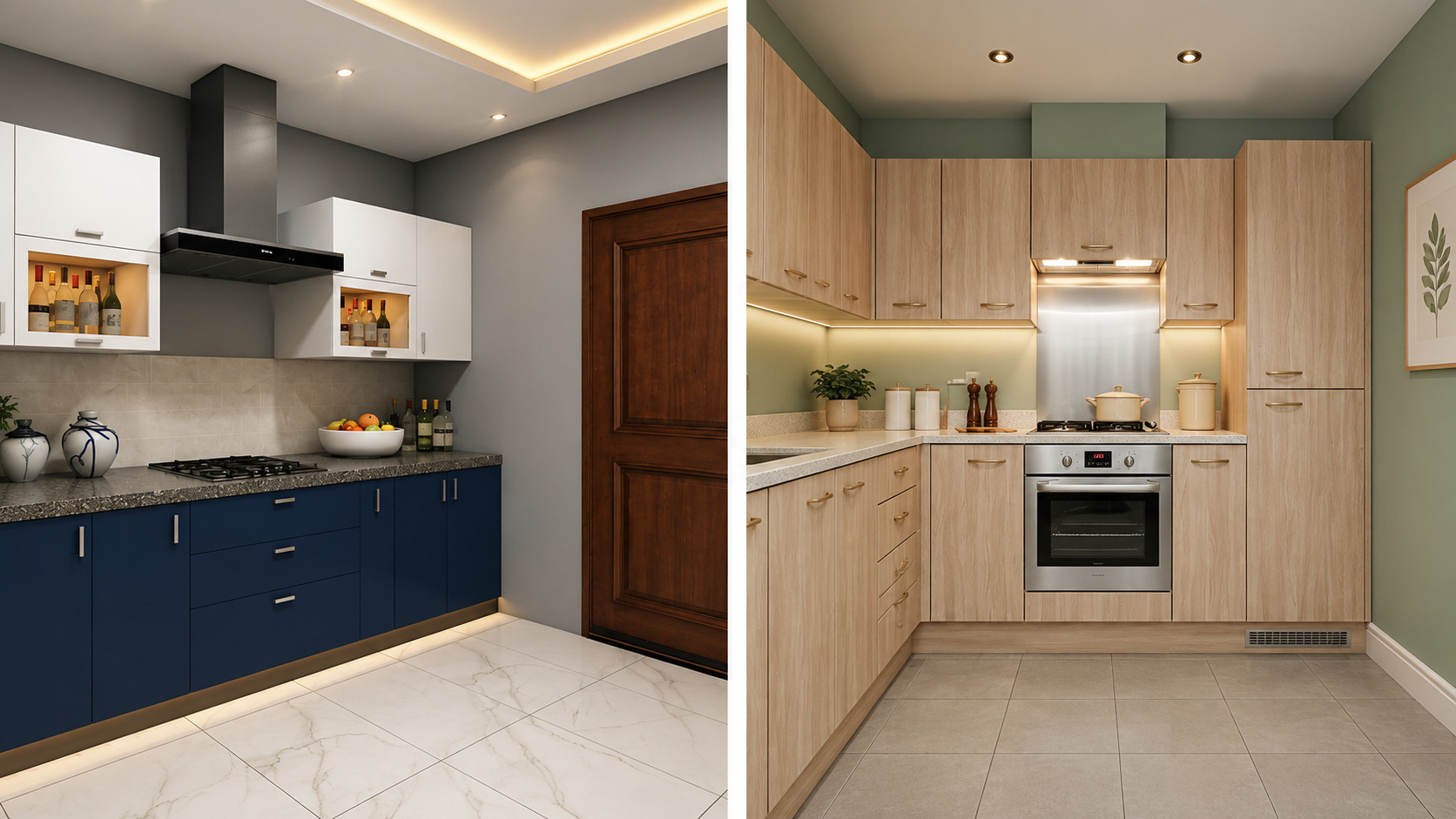
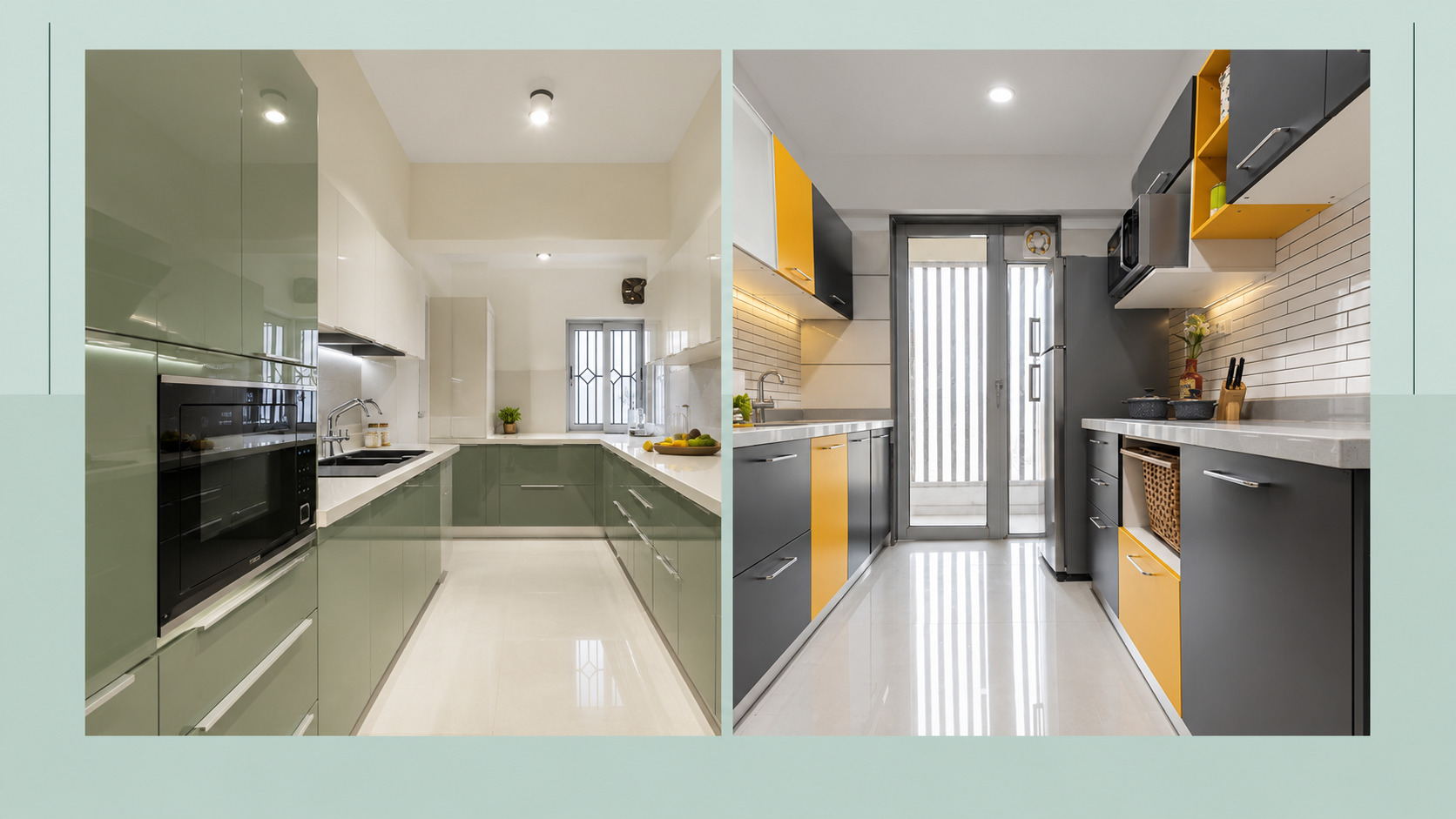
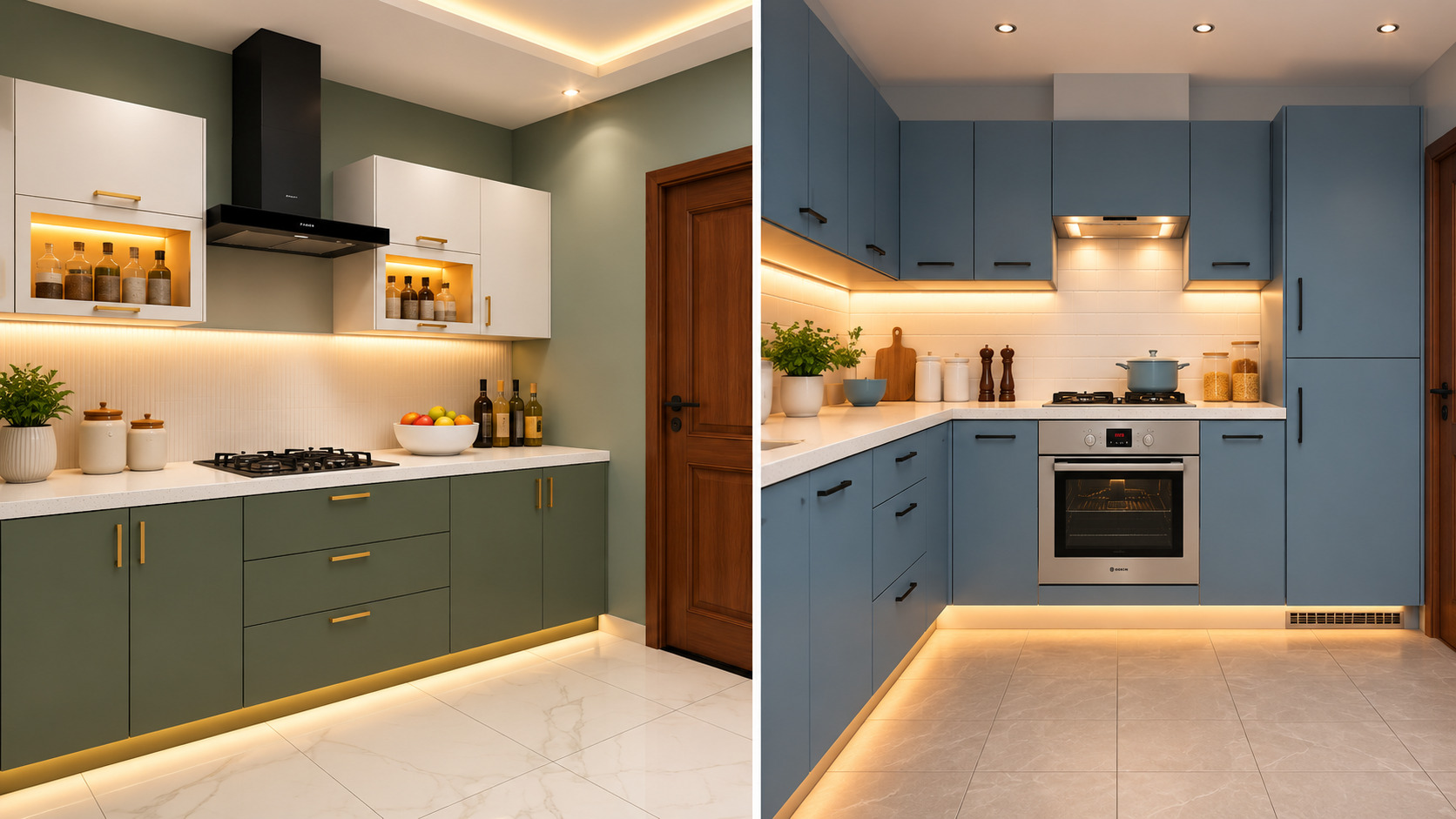
A beautiful modular kitchen is more than stylish cabinets and premium finishes. What truly determines its lifespan is the material hidden beneath the laminate. Every day, kitchen cabinets are exposed to moisture, heat, steam, spills, and heavy use. Choosing the wrong material can lead to swelling, warping, or expensive repairs within a few years. That's why homeowners often compare HDHMR vs Plywood vs BWP before starting a kitchen renovation. While these materials may appear similar, they differ in durability, moisture resistance, strength, maintenance, and cost. Think of your kitchen cabinets as the foundation of your cooking space. A premium finish may catch the eye, but the right core material ensures your kitchen stays beautiful and functional for years to come. In this guide, we'll explore the strengths and limitations of HDHMR, plywood, and BWP to help you decide which material best suits your kitchen. This featured image is a part Interior design images
Plan Your Interior Budget
Wondering what your Material Comparison interior will cost? Get an instant estimate with our free Interior Cost Calculator — no sign-up needed.
What Is HDHMR?
HDHMR, or High-Density High Moisture Resistant board, is an engineered wood product manufactured by compressing refined wood fibres with specialised resins under high pressure and temperature. The result is a dense, smooth board that offers impressive strength along with enhanced moisture resistance.
One of HDHMR's biggest advantages is its smooth surface, making it an excellent choice for premium finishes such as laminates, acrylic sheets, veneers, and PU coatings. Its uniform structure also allows for clean machining and neat edge finishing, making it popular in modular furniture manufacturing.
Because of its high density, HDHMR performs well in areas where occasional moisture is present, making it a practical option for kitchen cabinets, wardrobes, TV units, and storage furniture.
What Is Plywood?
Plywood has been one of the most trusted furniture materials for decades. It is manufactured by bonding multiple thin layers of natural wood veneers together, with each layer placed perpendicular to the previous one. This cross-grain construction provides excellent strength, dimensional stability, and resistance to cracking.
High-quality plywood is known for its exceptional screw-holding capacity, making it ideal for cabinets with heavy shutters, drawers, and frequently used hardware. It is also available in various grades designed for different indoor and outdoor applications.
For homeowners seeking reliable structural performance and long-term durability, plywood continues to be a preferred material for furniture, wardrobes, beds, shelves, and modular kitchens.
What Is BWP Plywood?
BWP stands for Boiling Water Proof plywood, a premium grade specifically designed for environments exposed to high levels of moisture and humidity.
Unlike standard plywood, BWP plywood is manufactured using waterproof phenolic resin adhesives that create exceptionally strong bonds between the wood veneers. This allows the material to withstand prolonged exposure to water without losing its structural integrity.
Because of its outstanding water resistance, BWP plywood is widely used in kitchen sink cabinets, bathroom vanities, utility areas, and other locations where moisture is unavoidable.
Homeowners who prioritise durability often consider BWP plywood a long-term investment, especially in spaces where water exposure is frequent.
Why Material Selection Matters More Than You Think
Many homeowners focus on cabinet colours, handles, or countertop designs while overlooking the material used inside the cabinets. However, the core material directly impacts your kitchen's durability, maintenance requirements, and lifespan.
A high-quality cabinet material can resist moisture, hold screws firmly, support heavy cookware, and maintain its shape even after years of daily use. On the other hand, selecting a material that isn't suitable for your kitchen conditions can lead to swelling, sagging shelves, peeling laminates, and costly repairs.
As William Shakespeare wisely said,
"Wisely and slow; they stumble that run fast."
The same principle applies when selecting kitchen cabinet materials. Taking time to choose the right option today can save significant maintenance costs in the future.
HDHMR vs Plywood vs BWP: A Detailed Comparison
When comparing kitchen cabinet materials, it's important to look beyond appearance. Factors such as moisture resistance, durability, strength, maintenance, and long-term value determine how well your cabinets will perform over the years. Let's explore how HDHMR, plywood, and BWP plywood compare in real-life kitchen conditions.
Moisture Resistance
Moisture is one of the biggest challenges in any kitchen. Daily cooking releases steam, accidental spills are common, and sink cabinets are constantly exposed to damp conditions. HDHMR is designed to resist moisture better than many conventional engineered wood boards. Its dense structure helps minimise water absorption, making it suitable for most modular kitchen cabinets where moisture exposure is moderate. Standard plywood offers decent moisture resistance depending on its grade. While it performs well in normal indoor environments, prolonged exposure to water can affect its lifespan if it isn't specifically manufactured for wet areas. BWP plywood stands out because it is engineered specifically for high-moisture environments. It is capable of handling continuous exposure to humidity and occasional water contact, making it an excellent option for sink cabinets and kitchens where moisture is unavoidable. If water resistance is your highest priority, BWP plywood remains the preferred choice.
Durability and Strength
Kitchen cabinets support everything from heavy cookware and dinner sets to built-in appliances. A durable cabinet material ensures that shelves remain sturdy and doors stay aligned over time. HDHMR provides excellent strength because of its high-density construction. It offers good impact resistance and maintains a smooth surface that resists minor wear and tear during everyday use. Plywood has long been recognised for its exceptional structural strength. Its cross-layered construction distributes weight evenly, making it highly reliable for cabinets with heavy loads and frequent use. BWP plywood offers the same structural advantages as premium plywood while adding superior resistance to moisture. This combination of strength and water resistance makes it one of the most dependable materials for modern kitchens. For households with heavy daily usage, both plywood and BWP plywood deliver outstanding long-term performance.
Surface Finish and Appearance
The finish of your kitchen cabinets contributes significantly to the overall look of your space. Whether you prefer glossy acrylic, textured laminates, natural veneers, or painted finishes, the base material should support a clean and smooth appearance. HDHMR is particularly well suited for decorative finishes because of its dense and uniform surface. It allows laminates and acrylic sheets to adhere smoothly, resulting in a refined, premium look. Plywood also supports a variety of finishes, although its natural veneer structure may require additional preparation depending on the application. BWP plywood performs similarly to high-quality plywood and can accommodate laminates, veneers, and painted finishes while maintaining durability in moisture-prone areas. If achieving a flawless modern finish is your priority, HDHMR offers a slight advantage.
Screw Holding and Hardware Performance
Kitchen cabinets rely heavily on hinges, drawer channels, and handles that are opened and closed countless times. Plywood is widely appreciated for its excellent screw-holding ability. It provides a secure grip for hardware, helping doors and drawers remain stable even after years of use. BWP plywood shares this strength, making it equally suitable for heavy-duty cabinet hardware. HDHMR also performs well with modern fittings, although premium plywood generally offers slightly stronger screw retention under very heavy loads. For kitchens with large pull-out drawers or heavy storage systems, plywood and BWP plywood are excellent choices.
Maintenance Requirements
Every homeowner wants kitchen cabinets that are easy to maintain. HDHMR requires only routine cleaning with a soft cloth and mild cleaning solution. Since it offers good moisture resistance, occasional spills are unlikely to cause problems when cleaned promptly. Plywood also requires minimal maintenance but benefits from proper sealing and quality edge protection to prevent moisture from entering exposed areas. BWP plywood is particularly easy to maintain because of its excellent resistance to water and humidity. Even in demanding kitchen environments, it continues to perform reliably with basic cleaning. Regardless of the material, good ventilation and timely cleaning will help extend the life of your cabinets.
Which Material Offers Better Value?
Price should never be the only deciding factor when choosing a kitchen cabinet material. A lower initial investment may result in higher maintenance costs later. HDHMR offers an excellent balance between affordability, durability, and modern aesthetics, making it an attractive option for homeowners seeking value without compromising quality. Standard plywood is available across multiple grades, allowing homeowners to choose a product that matches their budget and project requirements. BWP plywood generally commands a higher price because of its specialised manufacturing process and superior water resistance. However, many homeowners consider it a worthwhile investment for kitchens that experience frequent moisture exposure. Looking beyond the purchase price and considering long-term durability often leads to better value over the life of the kitchen.
Which Material Is Best for Your Kitchen?
The ideal material depends on how your kitchen is used. If you want a stylish modular kitchen with smooth finishes and dependable moisture resistance, HDHMR is an excellent option. If structural strength and long-lasting performance are your primary concerns, premium plywood remains a reliable choice for most applications. If your cabinets are located near sinks, dishwashers, or other areas exposed to regular moisture, BWP plywood provides the highest level of protection and durability. Many designers also combine materials within the same kitchen, using BWP plywood for sink units while selecting HDHMR or premium plywood for the remaining cabinets to achieve the perfect balance between performance and budget.
Final Verdict
Choosing between HDHMR vs Plywood vs BWP ultimately comes down to your kitchen's needs, your budget, and your expectations for long-term performance. HDHMR is an excellent choice for homeowners looking for modern finishes, reliable moisture resistance, and good overall value. Plywood continues to be a trusted material thanks to its outstanding strength and versatility across different furniture applications. BWP plywood stands out as the premium option for kitchens where water exposure is a constant concern, offering exceptional durability and peace of mind. Rather than asking which material is universally the best, consider which one is best suited to your lifestyle. A thoughtfully chosen cabinet material not only enhances the beauty of your kitchen but also ensures that it remains functional, durable, and enjoyable for many years to come.
Frequently Asked Questions
Is HDHMR better than plywood for kitchen cabinets?
HDHMR offers superior moisture resistance and a smoother surface for decorative finishes, while plywood generally provides stronger structural performance. The better choice depends on your kitchen's requirements.
Is BWP plywood completely waterproof?
BWP plywood is highly water-resistant and designed to withstand prolonged moisture exposure. While no wood product should remain submerged indefinitely, BWP performs exceptionally well in kitchens and bathrooms.
Which material lasts the longest?
When installed correctly and maintained properly, all three materials can provide many years of service. However, BWP plywood generally delivers the best performance in moisture-prone environments.
Can HDHMR be used near the kitchen sink?
Yes. HDHMR performs well in areas with moderate moisture. However, for cabinets directly beneath the sink where water exposure is frequent, many professionals prefer BWP plywood.