Don't Let Your Dream Kitchen Turn Into an Expensive Regret
Compare the features, costs, durability, and functionality of modular and non-modular kitchens.
Lexangrit Editorial Team
July 20, 2026
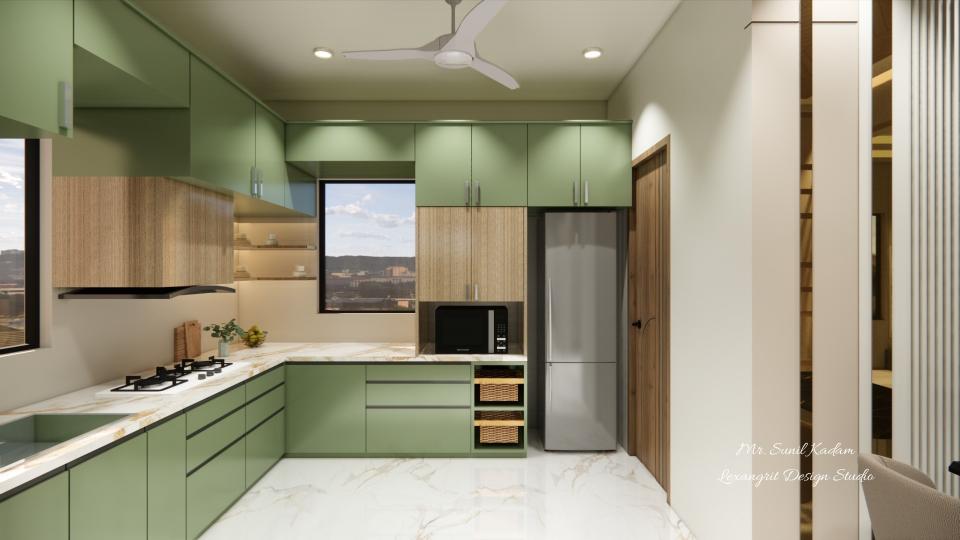
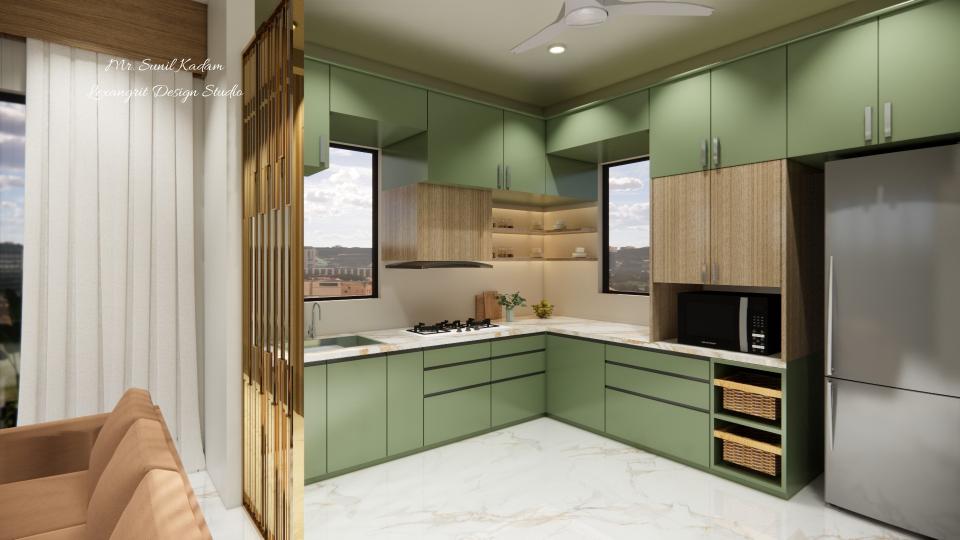
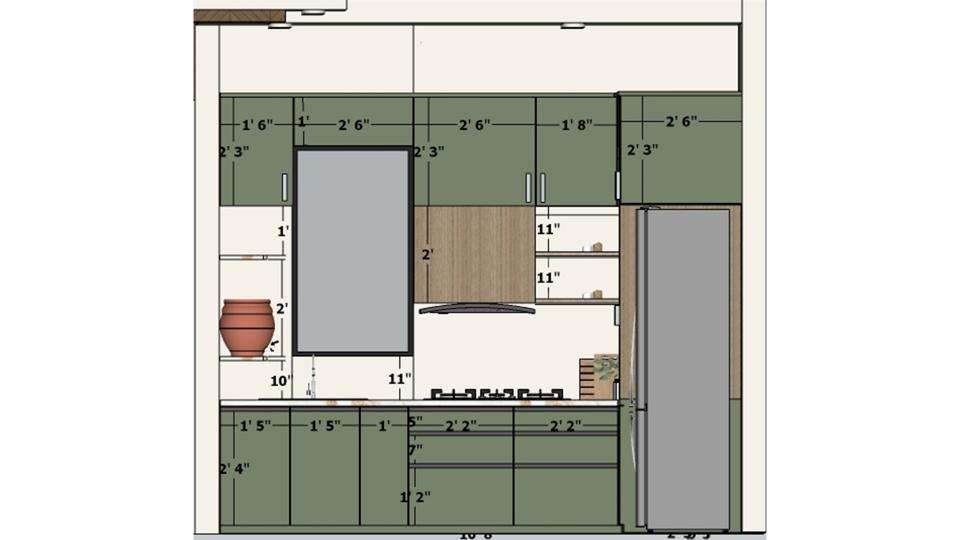
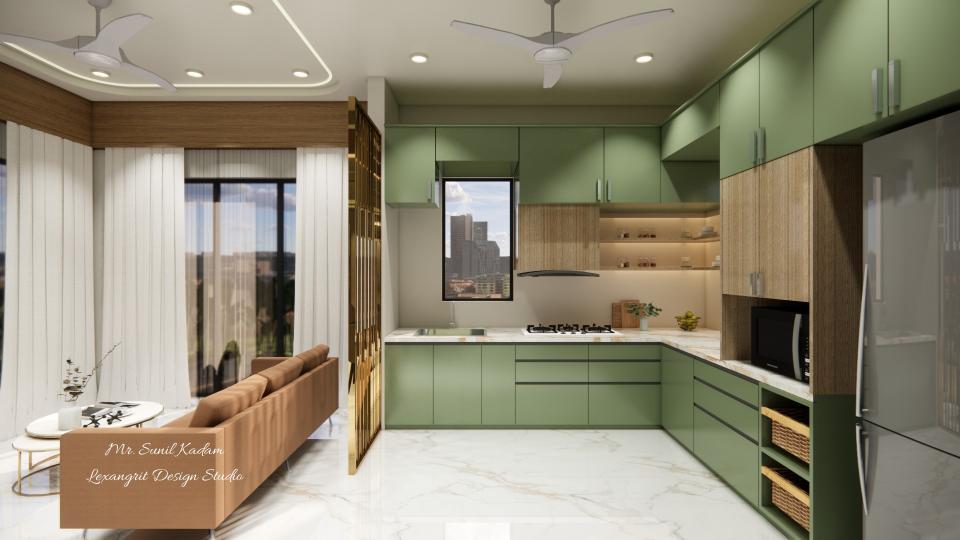
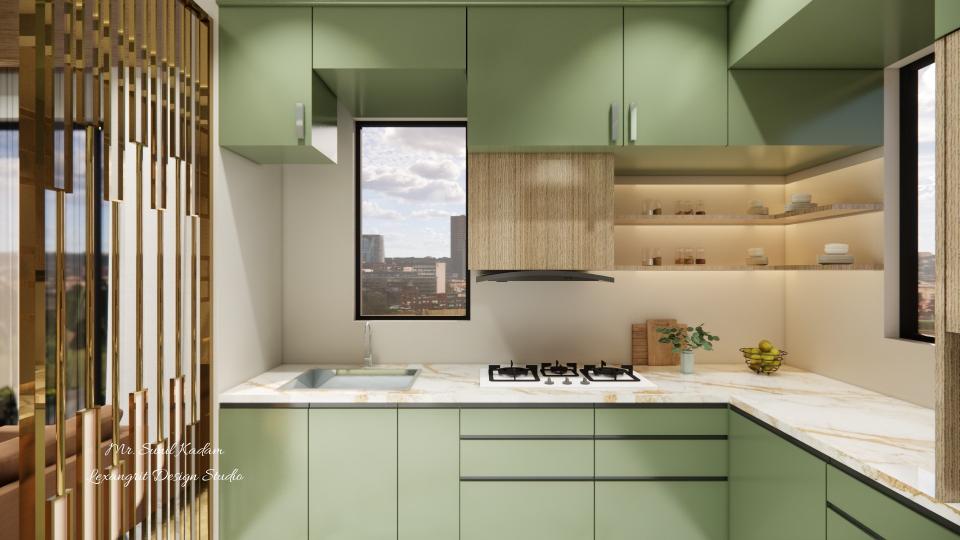
Many homeowners regret their kitchen choice—not because it looks bad, but because it doesn't fit the way they live. A beautiful kitchen can quickly become frustrating if storage is inadequate, maintenance is difficult, or repairs become expensive. Before you invest lakhs into your dream kitchen, there's one decision that deserves careful thought: modular or non-modular? The answer isn't as straightforward as most people think. This featured image is a part We are interior designers in Pune | Mr. Sunil Kadam's project by Lexangrit Design Studio
Plan Your Interior Budget
Wondering what your Kitchen interior will cost? Get an instant estimate with our free Interior Cost Calculator — no sign-up needed.
A kitchen is where everyday moments turn into lasting memories—but choosing the right one can make all the difference. Should you invest in a sleek modular kitchen or stick with a traditional non-modular (civil) kitchen? While modular kitchens are celebrated for their modern aesthetics, smart storage, and hassle-free installation, non-modular kitchens are often preferred for their durability, customization, and cost-effectiveness. The right choice depends on more than just looks—it depends on your budget, lifestyle, cooking habits, maintenance preferences, and long-term plans.
In this blog, we'll compare modular and non-modular kitchens across every important factor, including design flexibility, storage efficiency, installation time, durability, repairs, maintenance, and overall value for money. We'll also uncover the hidden pros and cons that homeowners often overlook before making a decision. Whether you're renovating your existing kitchen or designing your dream home from scratch, this guide will help you understand which option aligns best with your needs.
Don't let an expensive kitchen become an expensive mistake. Read on to discover the key differences, practical insights, and expert tips that will help you confidently choose a kitchen that not only looks stunning but also complements your lifestyle for years to come.
Should you choose a modular kitchen or a non-modular (traditional carpenter-made) kitchen?
Some homeowners prefer the sleek appearance, smart storage, and modern functionality of modular kitchens, while others trust the durability, flexibility, and craftsmanship of a non-modular kitchen built by skilled carpenters.
Both options have their own advantages, limitations, costs, and maintenance requirements.
This detailed guide will help you understand the complete difference between a modular kitchen vs non-modular kitchen, so you can choose the best option according to your budget, lifestyle, cooking habits, and long-term needs.
Understanding the Difference Between Modular & Non-Modular Kitchens
Before comparing both kitchen types, it's important to understand what they actually are.
What is a Modular Kitchen?
A modular kitchen is a factory-manufactured kitchen system made using pre-designed modules or individual cabinet units. Each unit is manufactured with advanced machinery to ensure precise measurements, smooth finishes, and high-quality construction.
Instead of building everything inside your home, these units are manufactured in a factory and later assembled at your site.
A modular kitchen consists of multiple independent units such as:
- Base cabinets
- Wall cabinets
- Tall units
- Pantry units
- Drawer systems
- Corner units
- Sink cabinets
- Appliance units
- Loft storage
- Cutlery organizers
- Pull-out baskets
- Soft-close drawers
- Chimney cabinets
Every section is designed as a separate module, making installation much faster and cleaner.
Today, modular kitchens are highly popular because they combine functionality with stylish modern designs while maximizing every inch of available space.
Key Features of a Modular Kitchen
- Factory-made precision
- Smart storage solutions
- Modern finishes
- Better space utilization
- Easy maintenance
- Faster installation
- Premium accessories
- Organized layout
- Minimal material wastage
What is a Non-Modular Kitchen?
A non-modular kitchen, often called a traditional or carpenter-made kitchen, is built completely on-site by carpenters.
Unlike modular kitchens, there are no factory-made cabinet units. Instead, the carpenter constructs the entire kitchen from scratch inside your home according to your preferred design and available space.
The framework is generally made using:
- Plywood
- Blockboard
- MDF (if preferred)
- Wooden battens
- Laminates
- Granite countertop
- Manual fittings
In most Indian homes, the cabinet boxes are made from plywood and fixed permanently to the wall.
Unlike modular kitchens, these cabinets cannot be removed or shifted easily after installation.
Because everything is handcrafted, the final quality depends largely on the carpenter's skills and experience.
Modular Kitchen vs Non-Modular Kitchen: Complete Comparison
Let's compare both kitchen styles across the factors that matter most.
1. Design & Overall Appearance
One of the biggest reasons homeowners choose modular kitchens is their premium appearance.
Since every cabinet is manufactured using computerized machinery, modular kitchens have:
- Smooth edges
- Uniform finishes
- Perfect alignment
- Modern aesthetics
- Premium hardware
They are ideal for apartments and contemporary homes where a clean and elegant look is preferred.
Non-modular kitchens, on the other hand, rely entirely on the carpenter's workmanship.
A skilled carpenter can certainly create beautiful kitchens, but achieving the same level of precision and consistency as factory-made modular units is often difficult.
If you want a modern, luxurious look, a modular kitchen is usually the better option.
However, if you appreciate handcrafted detailing and fully customized woodwork, a non-modular kitchen can be equally attractive.
2. Storage & Space Utilization
Storage plays a huge role in modern kitchen planning.
A modular kitchen is designed to maximize every available corner.
It includes smart storage accessories such as:
- Pull-out pantry units
- Tandem drawers
- Corner carousel units
- Magic corners
- Bottle pull-outs
- Cutlery trays
- Vertical storage
- Tall pantry cabinets
- Under-sink organizers
These features make cooking easier while keeping the kitchen organized and clutter-free.
A non-modular kitchen generally uses:
- Fixed shelves
- Standard cabinets
- Basic drawers
Although a carpenter can customize storage according to your needs, it usually lacks the advanced accessories available in modular kitchens.
When it comes to efficient storage, modular kitchens clearly have an advantage.
3. Materials Used
The materials used in both kitchens differ significantly.
Modular Kitchen Materials
Most modular kitchens are manufactured using:
- HDHMR boards
- Marine plywood
- MDF
- Particle board
- PVC boards
- Acrylic finishes
- PU finishes
- High-quality laminates
Premium hardware brands are also used for smooth operation.
Non-Modular Kitchen Materials
In a traditional kitchen, the carpenter usually uses:
- 19mm or 18mm plywood for cabinet boxes
- Commercial plywood
- Marine plywood (depending on budget)
- Laminates
- Wooden frames
- Granite countertops
One common misconception is that modular kitchens don't use plywood.
In reality, high-quality modular kitchens also use plywood, but it is factory-processed and precision-cut.
4. Installation Process
Installation is one of the biggest differences between both kitchen types.
Modular Kitchen
Since all cabinets are manufactured beforehand, only assembly takes place at your home.
Installation usually takes:
- 2–7 days
- Less dust
- Less noise
- Minimal mess
This makes modular kitchens ideal for occupied homes.
Non-Modular Kitchen
Everything is built from scratch.
The process includes:
- Cutting plywood
- Frame construction
- Laminate pasting
- Cabinet fitting
- Polishing
- Hardware installation
Construction may take several weeks depending on the project size.
The process also creates:
- More dust
- More noise
- More material wastage
5. Flexibility & Future Modifications
One of the biggest advantages of modular kitchens is flexibility.
Because every cabinet is a separate unit, you can:
- Remove cabinets
- Replace damaged modules
- Upgrade accessories
- Shift the kitchen during relocation
- Reinstall it in another house
This is especially useful for people living in rented homes or planning future relocation.
A non-modular kitchen is permanently fixed.
Once constructed, making changes usually requires breaking parts of the structure and rebuilding them.
6. Durability
Many homeowners believe non-modular kitchens are stronger.
There is some truth to this because carpenter-made kitchens often use thick plywood and permanent construction.
They can easily handle:
- Heavy utensils
- Indian cooking
- Daily wear and tear
However, modern modular kitchens have improved significantly.
When built using premium plywood, HDHMR boards, and branded hardware, modular kitchens can easily last 15–20 years with proper maintenance.
Ultimately, durability depends more on the quality of materials than on the type of kitchen.
7. Maintenance & Cleaning
The kitchen is exposed to:
- Oil
- Moisture
- Heat
- Dust
- Food stains
A modular kitchen is easier to maintain because:
- Drawers are removable
- Cabinets can be repaired individually
- Smooth surfaces are easier to clean
- Damaged modules can be replaced
In a non-modular kitchen, cabinets are permanently fixed.
If one section gets damaged due to moisture or termites, repairing it may require dismantling a larger portion of the kitchen.
8. Technology & Accessories
Modern kitchens are designed around convenience.
A modular kitchen supports advanced accessories such as:
- Soft-close hinges
- Hydraulic lift-up shutters
- Built-in appliances
- Pull-out baskets
- Corner organizers
- Under-cabinet lighting
- Integrated dustbins
Traditional kitchens generally depend on standard hinges and manual storage systems.
Although accessories can be added later, they may not integrate as seamlessly as in a modular setup.
9. Customisation Options
This is where non-modular kitchens have a clear advantage.
Since everything is built on-site, carpenters can customize the design according to:
- Uneven walls
- Irregular layouts
- Specific storage requirements
- Personal preferences
- Unique dimensions
Modular kitchens also offer customization, but within the limits of factory manufacturing and standard module sizes.
10. Cost & Budget Planning
Budget is often the deciding factor.
Modular Kitchen
A modular kitchen generally has a higher upfront cost because it includes:
- Factory manufacturing
- Premium finishes
- Branded hardware
- Smart accessories
However, pricing is usually transparent with fixed quotations, reducing unexpected expenses.
It is a great choice if your budget allows for a long-term investment.
Non-Modular Kitchen
A non-modular kitchen is often more affordable, especially for homeowners with limited budgets.
Since the carpenter builds everything on-site, you can control expenses by selecting materials that fit your budget.
Labour charges can also be negotiated.
However, costs may increase due to:
- Material wastage
- Extra labour
- Design changes
- Delays
- Additional hardware requirements
If your budget is tight, a carpenter-made non-modular kitchen can be a practical solution.
"Modular kitchen ka quote dekh ke wallet bolta hai: 'Mujhse na ho payega.'
Non-modular ka kaam dekh ke patience bolta hai: 'Main chala.' 😂"
Which Kitchen Should You Choose?
There is no one-size-fits-all answer.
Choose a Modular Kitchen if:
- You have a good budget.
- You want a premium modern look.
- You prefer smart storage solutions.
- You need faster installation.
- You want easy maintenance.
- You may relocate in the future.
Choose a Non-Modular Kitchen if:
- Your budget is limited.
- You want complete customization.
- You trust local carpentry work.
- You need a permanent kitchen structure.
- You prefer traditional craftsmanship.
Simply put:
If your budget is good and you want a stylish, organized, and modern kitchen, a modular kitchen is the better investment.
If you're looking for a cost-effective solution with personalized craftsmanship, a non-modular kitchen built by an experienced carpenter is an excellent choice.
Final Thoughts
Choosing between a modular kitchen and a non-modular kitchen depends on your lifestyle, budget, available space, and future plans.
A modular kitchen offers modern aesthetics, factory-finished cabinets, smart storage, quick installation, and easier maintenance. It is ideal for homeowners who want convenience, premium finishes, and efficient space utilization.
On the other hand, a non-modular kitchen is built entirely on-site by skilled carpenters using plywood and other materials. It provides greater design flexibility, can be customized to suit any space, and is often more budget-friendly. While it may take longer to build and require more maintenance, it remains a reliable choice for homeowners who value traditional craftsmanship.
Before making a decision, evaluate your cooking habits, storage needs, and long-term expectations. The best kitchen is not just one that looks beautiful—it should also make your daily routine easier, more organized, and comfortable.
Frequently Asked Questions (FAQs)
1. What is the main difference between a modular kitchen and a non-modular kitchen?
A modular kitchen is factory-made using separate cabinet units that are assembled on-site, whereas a non-modular kitchen is built entirely inside your home by a carpenter using plywood and other materials.
2. Does a non-modular kitchen use plywood?
Yes. In most cases, non-modular kitchens are constructed using plywood, along with laminates, wooden frames, and granite countertops. The amount and type of plywood depend on the kitchen design and the homeowner's budget.
3. Is plywood used in modular kitchens?
Yes. Many premium modular kitchens use marine plywood, HDHMR boards, or other engineered wood materials. The difference is that these materials are factory-cut and assembled into modular units.
4. Which kitchen is more affordable?
A non-modular kitchen is generally more budget-friendly because materials and labour can be chosen according to your budget. Modular kitchens usually have a higher upfront cost due to factory manufacturing and premium hardware.
5. Which kitchen lasts longer?
Both can last for many years if built with quality materials and maintained properly. Durability depends more on the quality of plywood, hardware, and workmanship than on the kitchen type itself.