Wooden Louvers vs Fluted Panels vs Groove Panels
Lexangrit Editorial Team
July 24, 2026
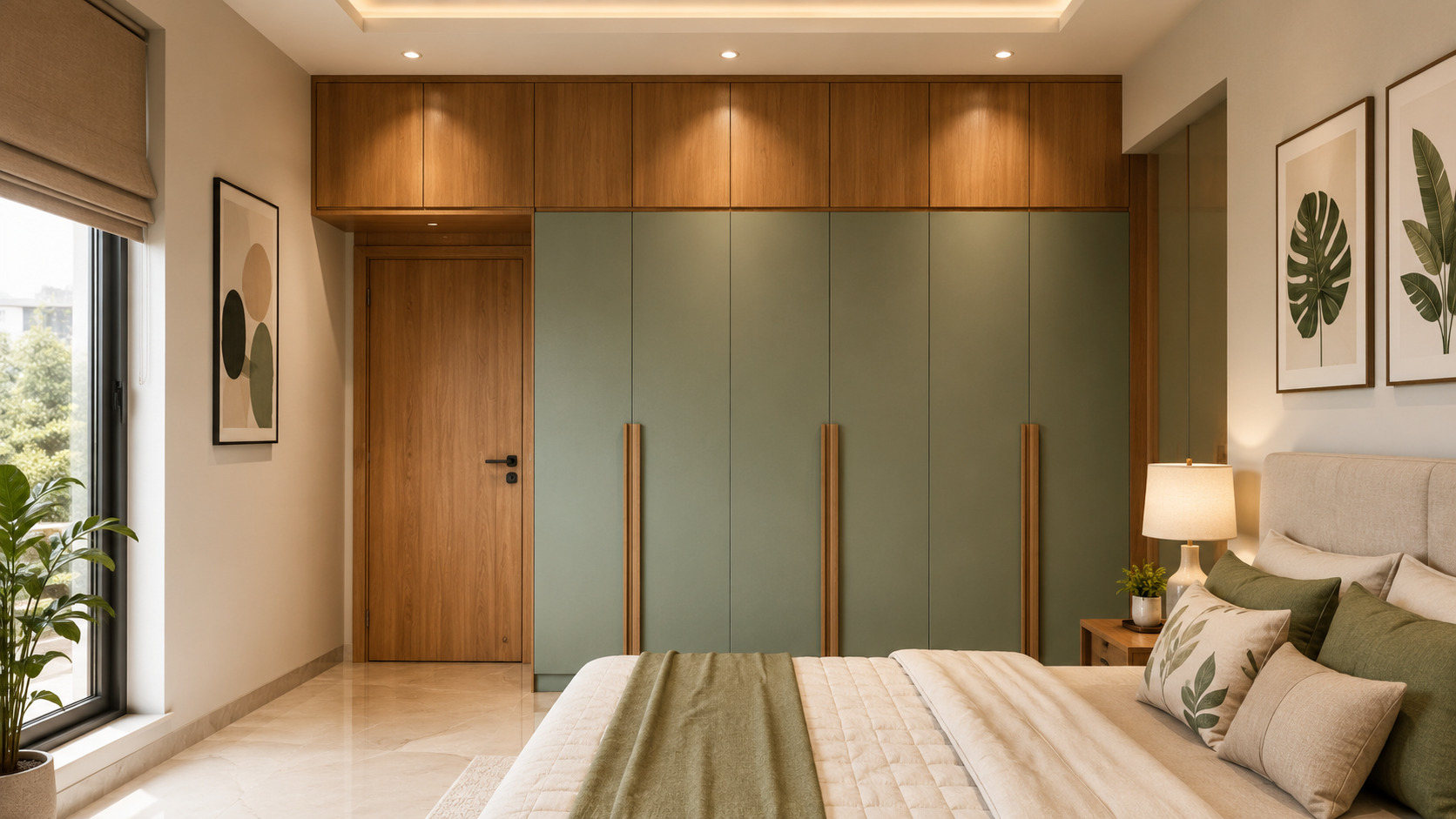
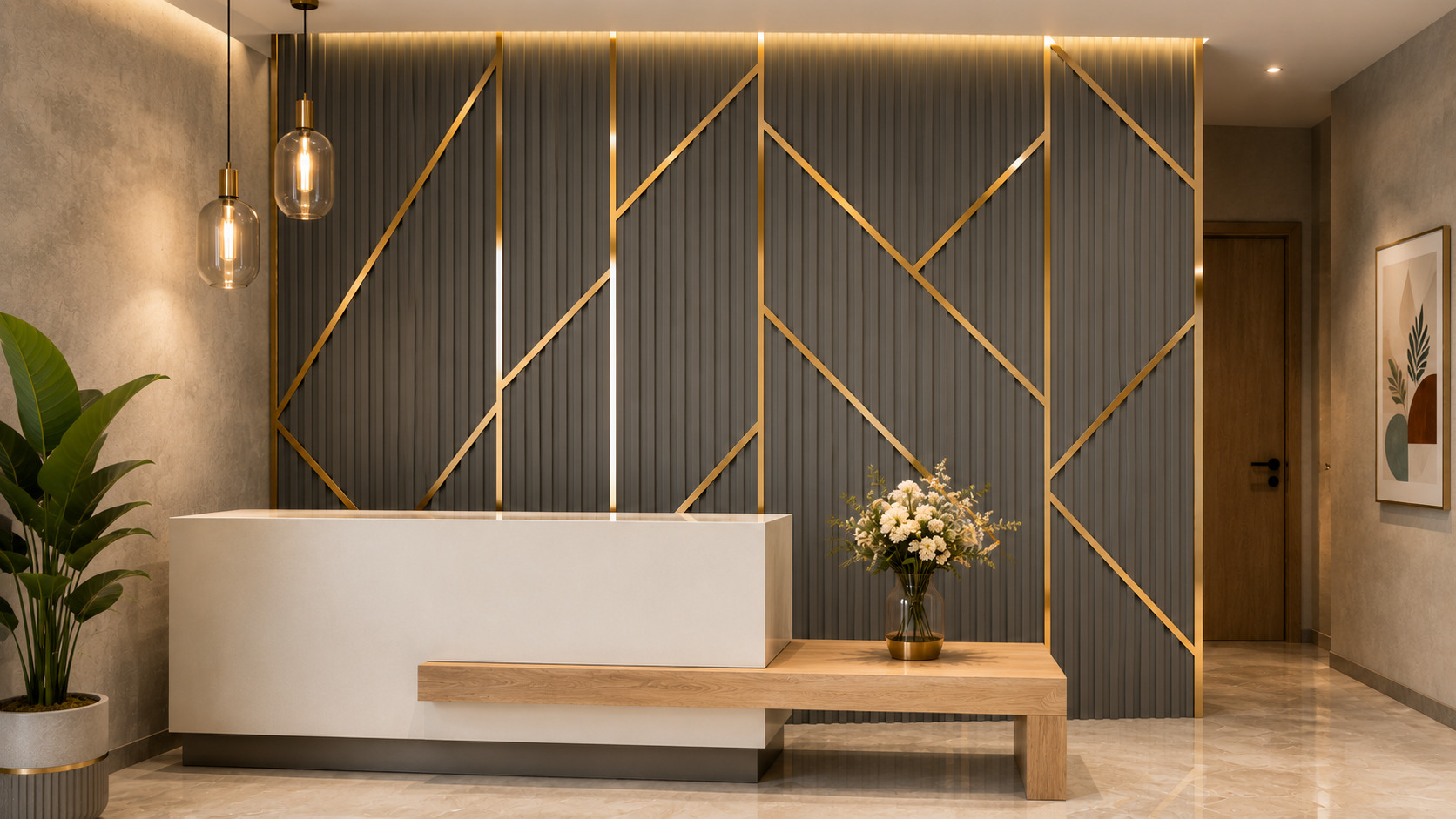
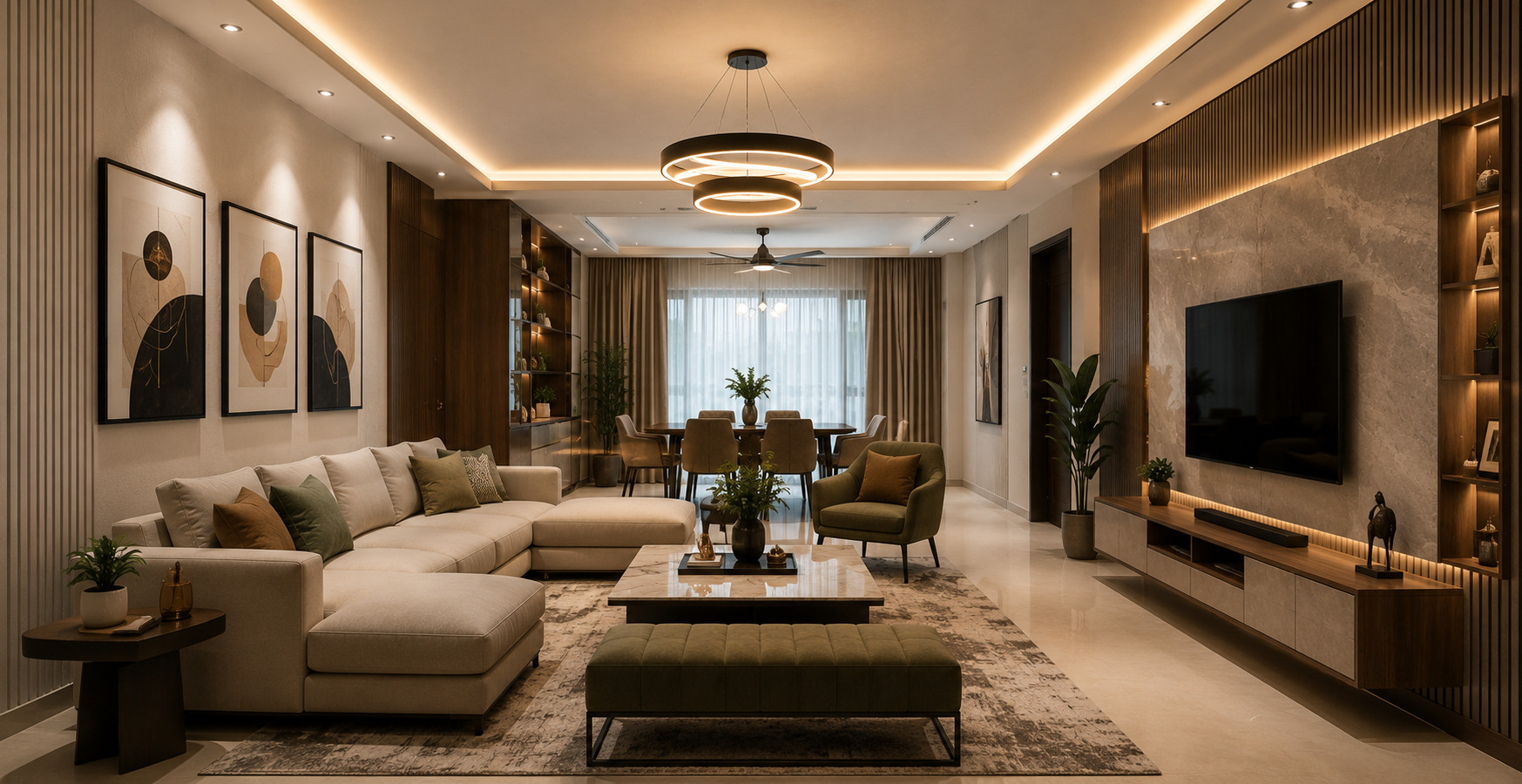
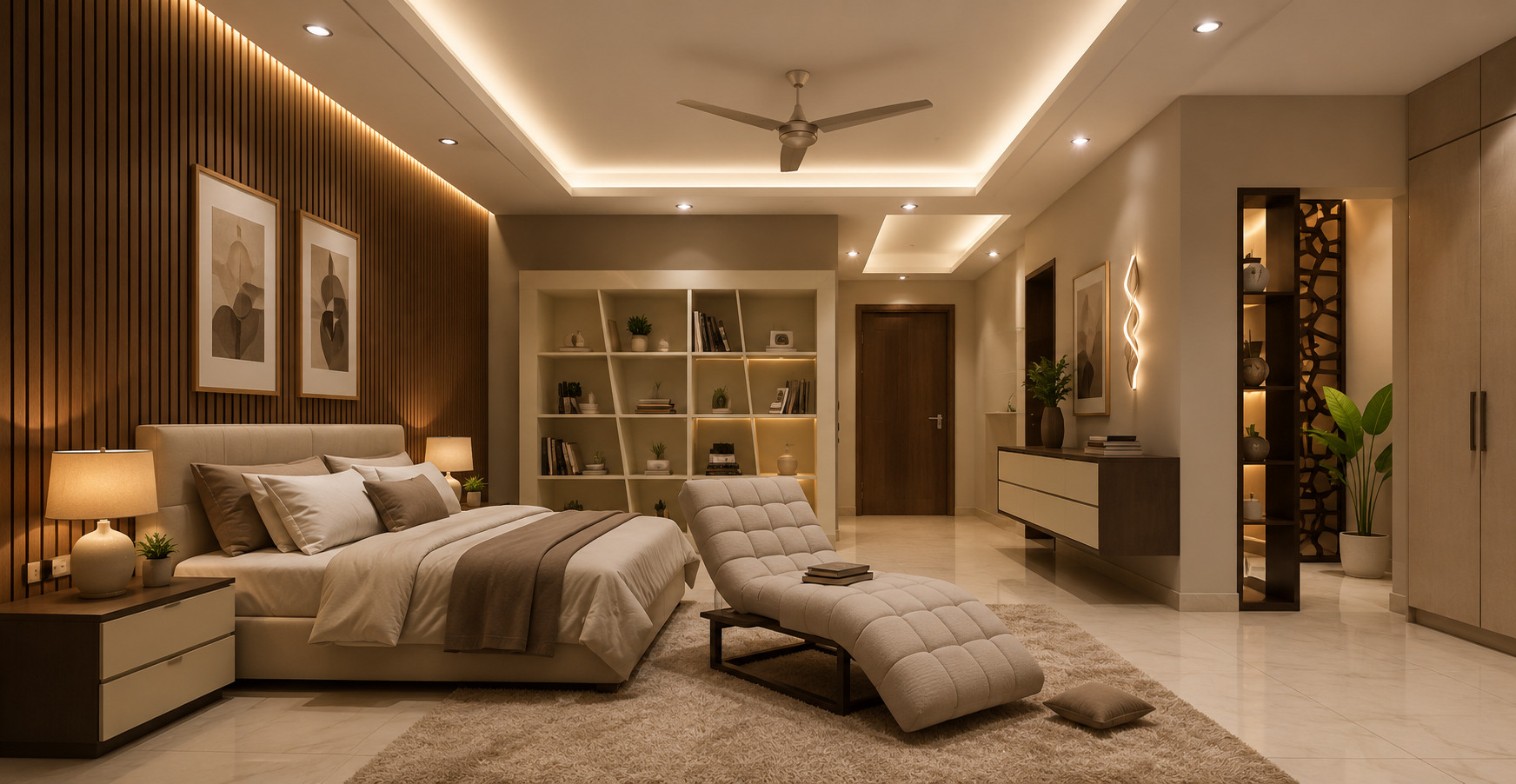
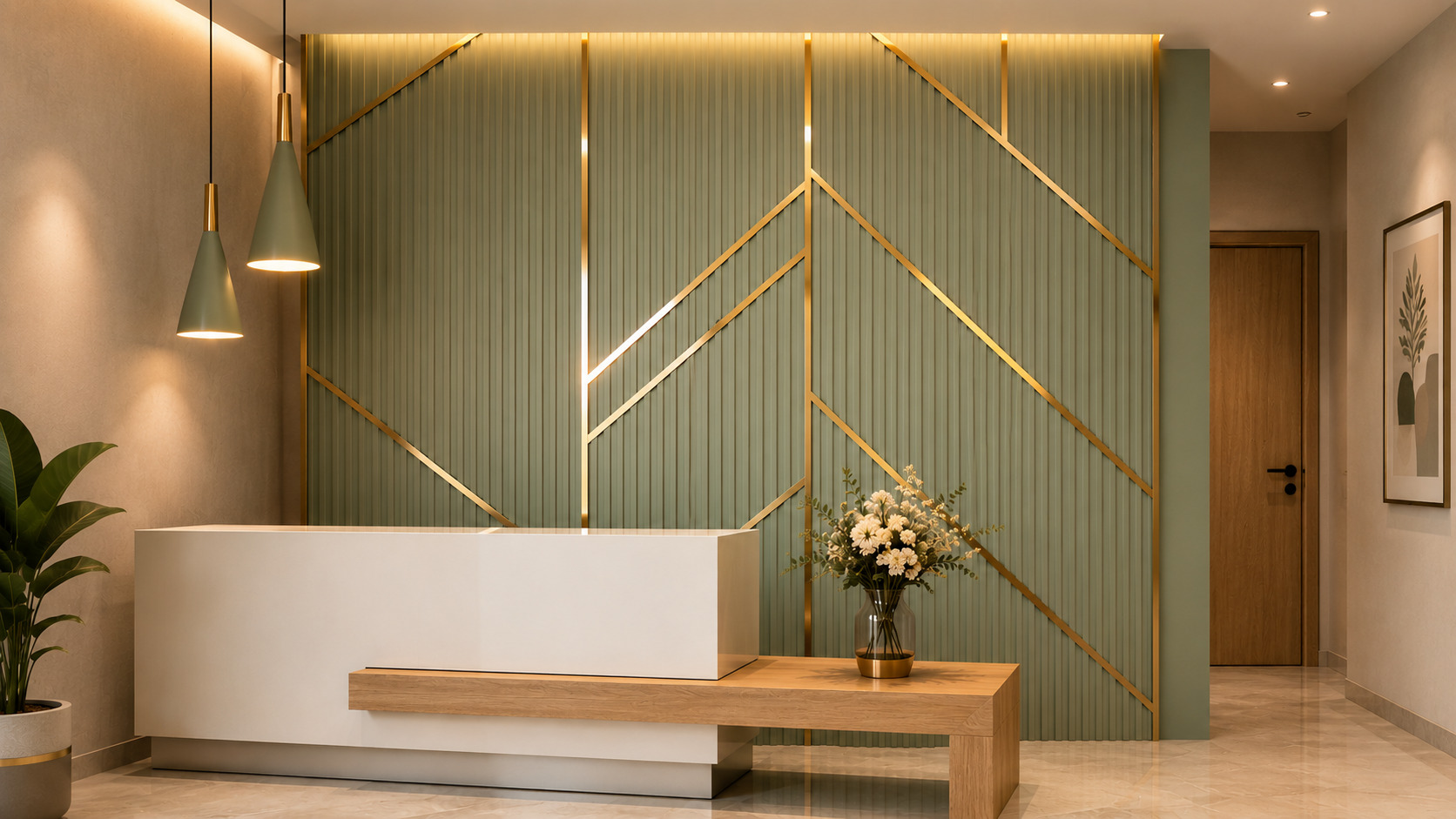
Modern interiors are no longer defined by paint alone. Decorative wall treatments have become one of the easiest ways to transform a plain wall into a stunning focal point. Among the most popular options today are wooden louvers, fluted panels, and groove panels. While all three add texture and elegance, they differ significantly in appearance, material, installation, durability, and cost. Whether you're designing a luxurious living room, upgrading your TV unit, creating a stylish office reception, or adding character to your bedroom, choosing the right wall panel can make all the difference. This comprehensive guide compares wooden louvers, fluted panels, and groove panels to help you select the perfect option for your space and budget. This featured image is a part Interior design images
Plan Your Interior Budget
Wondering what your Wall Panel Design interior will cost? Get an instant estimate with our free Interior Cost Calculator — no sign-up needed.
Why Decorative Wall Panels Are Trending
Wall panels have become a preferred alternative to plain painted walls because they instantly add depth, texture, and sophistication. They also conceal uneven surfaces, improve acoustics, and create a premium finish without requiring extensive structural work.
From minimalist apartments to luxury villas and commercial offices, decorative panels are now an integral part of modern interior design.
What Are Wooden Louvers?
Wooden louvers are decorative vertical or horizontal slats installed with equal spacing to create a linear design. Originally inspired by architectural ventilation systems, modern louvers are mainly used for decorative purposes.
Available in natural wood, veneer, PVC, WPC, MDF, and laminate finishes, wooden louvers bring warmth and elegance to interiors while adding visual height to walls.
Best Applications
- Living room feature walls
- TV units
- Entrance foyers
- Office receptions
- Bedroom headboards
- Staircase walls
- Hotel lobbies
Advantages
- Creates a premium architectural appearance.
- Adds warmth through natural wood textures.
- Suitable for both residential and commercial interiors.
- Available in numerous finishes and colors.
- Pairs beautifully with ambient LED lighting.
Limitations
- Premium materials can be expensive.
- Natural wood requires periodic maintenance.
- Dust may accumulate between wider slats.
What Are Fluted Panels?
Fluted panels feature continuous rounded or semi-circular grooves running vertically or horizontally across the surface. Unlike louvers, they create a seamless ribbed texture rather than individual slats.
Fluted panels have become one of the biggest interior design trends because they add softness and texture without making the wall feel visually heavy.
Common Materials
- MDF
- HDHMR
- WPC
- PVC
- Acrylic
- PU-coated boards
Ideal Locations
- Bedroom accent walls
- TV back panels
- Reception counters
- Dining walls
- Hotel interiors
- Luxury retail stores
Advantages
- Smooth, elegant appearance.
- Minimal joints create a seamless finish.
- Easy to coordinate with modern furniture.
- Available in matte, glossy, and wood finishes.
- Suitable for both small and large spaces.
Limitations
- High-gloss finishes require frequent cleaning.
- Deep grooves may collect dust if not maintained.
What Are Groove Panels?
Groove panels are flat boards with engraved lines cut directly into their surface. These grooves can be vertical, horizontal, diagonal, or arranged in custom geometric patterns.
Unlike fluted panels, groove panels maintain a relatively flat profile while introducing texture through subtle recessed lines.
Popular Applications
- Wardrobes
- Bedroom walls
- Home offices
- Study rooms
- Commercial cabins
- Decorative partitions
Advantages
- Clean, minimalist appearance.
- Cost-effective compared to premium louvers.
- Highly customizable.
- Easy to combine with paint or laminate finishes.
Limitations
- Less three-dimensional than louvers.
- Doesn't create the same dramatic shadow effect.
Wooden Louvers vs Fluted Panels vs Groove Panels: Design Comparison
If your goal is to create a bold architectural feature, wooden louvers stand out with their distinct slatted design and natural depth. They introduce strong vertical or horizontal lines that make a space feel taller or wider, depending on the orientation.
Fluted panels, on the other hand, offer a softer and more refined aesthetic. Their continuous curved grooves produce elegant shadow lines, making them a favorite for contemporary and luxury interiors.
Groove panels are the most understated of the three. Their engraved patterns add subtle texture while maintaining a clean, minimalist appearance. They work especially well in modern homes where simplicity is the key design principle.
"The Eye Sees More Than the Surface"
As William Shakespeare wrote:
"Beauty is bought by judgment of the eye."
While appearance matters, the best wall panel isn't simply the one that looks attractive. The right choice balances aesthetics with durability, maintenance, functionality, and your overall interior style. A beautiful design should continue to perform well long after the initial installation.
Durability Comparison: Which Panel Lasts the Longest?
Durability is one of the most important factors when selecting decorative wall panels. While aesthetics often influence the initial decision, the material quality ultimately determines how well the panels perform over time.
Wooden louvers made from solid wood or premium plywood are among the most durable options. With proper polishing and maintenance, they can last for decades. Engineered wood louvers, such as MDF or HDHMR, are also reliable for indoor applications.
Fluted panels offer excellent longevity when manufactured from HDHMR, WPC, or moisture-resistant MDF. Their seamless design reduces the chances of visible joints opening over time.
Groove panels are equally durable when made from high-quality engineered wood. Since the grooves are carved into a single board, they maintain structural stability and require minimal upkeep.
For moisture-prone areas like kitchens or commercial spaces, WPC or PVC-based panels outperform conventional MDF because they resist swelling and warping.
Material Options Explained
Choosing the right material is just as important as selecting the design.
Solid Wood
Natural wood offers unmatched elegance and durability. Each panel has unique grain patterns that add warmth to interiors. However, it requires regular polishing and comes at a premium price.
Plywood
Plywood is strong, stable, and resistant to bending. It's a preferred material for long-lasting wooden louvers and decorative wall installations.
HDHMR
High-Density High Moisture Resistant boards are becoming increasingly popular due to their strength and moisture resistance. They provide an excellent balance between performance and affordability.
MDF
Medium Density Fiberboard provides a smooth surface ideal for painting, laminates, and veneers. It's an economical choice for dry indoor spaces.
WPC
Wood Plastic Composite is waterproof, termite-resistant, and highly durable. It works particularly well in humid environments.
PVC
PVC panels are lightweight, easy to install, and require minimal maintenance. They're commonly used for budget-friendly decorative projects.
Which Option Is Easier to Maintain?
Every decorative wall treatment requires occasional cleaning, but some are easier to maintain than others.
Wooden louvers should be dusted regularly, especially if there are larger gaps between the slats. Using a microfiber cloth or soft vacuum brush helps keep them clean without damaging the finish.
Fluted panels also collect dust inside their rounded grooves. Fortunately, their smooth finish makes cleaning simple with a dry or slightly damp cloth.
Groove panels are generally the easiest to maintain because their grooves are shallower and less likely to trap dust. They require only occasional wiping to retain their appearance.
Avoid harsh chemical cleaners on all panel types, particularly those with wood veneers or painted finishes.
Cost Guide: Which Option Fits Your Budget?
Budget often plays a significant role when planning interior renovations.
Groove panels are typically the most affordable decorative option, making them ideal for homeowners seeking a stylish finish without significantly increasing project costs.
Fluted panels fall into the mid-range category. Their elegant appearance and versatility justify the additional investment, especially for living rooms and bedrooms.
Wooden louvers generally represent the premium segment. Solid wood and veneer louvers cost more due to their craftsmanship, material quality, and installation complexity.
Customization, premium laminates, integrated LED lighting, and designer finishes can increase the overall project cost regardless of the panel type you choose.
Where Should You Use Each Panel?
Selecting the right panel depends largely on the room and its intended purpose.
Living Room
Wooden louvers create dramatic feature walls behind televisions and entertainment units. Fluted panels offer a softer, more contemporary appearance, while groove panels provide a minimalist backdrop.
Bedroom
Fluted panels work exceptionally well behind upholstered beds, adding texture without overwhelming the space. Groove panels suit modern minimalist bedrooms, whereas wooden louvers create luxurious hotel-inspired interiors.
Dining Room
Decorative wall panels can transform an ordinary dining area into a sophisticated gathering space. Vertical louvers create height, while fluted panels introduce subtle elegance.
Office Reception
Wooden louvers and fluted panels both make excellent first impressions in reception areas. Adding warm LED lighting further enhances their visual appeal.
Commercial Interiors
Retail stores, restaurants, hotels, clinics, and corporate offices increasingly use fluted and louver panels because they project professionalism and premium quality.
Latest Design Trends for 2026
Interior design trends continue to evolve, and decorative wall panels remain at the forefront of luxury home styling.
Some of the biggest trends include:
- Charcoal grey fluted panels with golden strip accents.
- Walnut wooden louvers paired with indirect LED lighting.
- Floor-to-ceiling vertical panel installations.
- Curved fluted walls for contemporary interiors.
- Minimalist groove panels in soft beige and ivory shades.
- Matte black panels combined with warm wood textures.
- Integrated shelving within decorative panel walls.
- Sustainable WPC and eco-friendly engineered wood panels.
These trends emphasize clean lines, natural textures, and understated luxury.
Common Mistakes to Avoid
Many homeowners choose decorative panels based solely on appearance, overlooking practical considerations.
Avoid selecting materials unsuitable for humid environments. MDF, for instance, may not perform well in moisture-prone areas unless properly protected.
Installing panels without planning electrical points for lighting, switches, or televisions often results in costly modifications later.
Choosing oversized panel designs for compact rooms can make the space feel visually crowded. Likewise, selecting narrow panels for expansive walls may reduce their overall impact.
Finally, don't compromise on installation quality. Even premium materials can look unprofessional if installed incorrectly.
Expert Tips Before You Buy
Measure your wall accurately before finalizing the design.
Choose moisture-resistant materials for kitchens, bathrooms, and humid regions.
Consider your room's lighting. Decorative panels create different visual effects under warm and cool lighting.
Coordinate the panel finish with flooring, furniture, and ceiling designs for a cohesive interior.
Invest in experienced installers to ensure perfect alignment and seamless finishing.
Final Thoughts
Wooden louvers, fluted panels, and groove panels each bring their own unique character to interior spaces. If you want a bold architectural statement with natural warmth, wooden louvers are an excellent choice. For homeowners seeking elegant textures and a contemporary aesthetic, fluted panels provide the perfect balance of sophistication and practicality. If minimalism and affordability are your priorities, groove panels offer a clean and timeless solution.
Ultimately, the best choice depends on your design style, room size, maintenance preferences, and budget. By selecting high-quality materials and professional installation, you can create a feature wall that not only enhances your home's visual appeal but also stands the test of time. Whether you're renovating a single room or designing an entire home, these decorative panels offer a stylish way to elevate your interiors in 2026 and beyond.
Frequently Asked Questions
Which panel is best for modern homes?
Fluted panels are currently among the most popular choices for contemporary interiors because of their elegant texture and versatility.
Are wooden louvers suitable for small rooms?
Yes. Vertical wooden louvers create the illusion of height, making compact rooms appear larger and more spacious.
Can these panels be installed over existing walls?
In most cases, yes. Decorative panels can be fixed directly onto existing walls, provided the surface is level and structurally sound.
Which panel requires the least maintenance?
Groove panels are generally the easiest to clean because they have shallower engraved patterns that accumulate less dust.
Are decorative wall panels waterproof?
Standard MDF panels are not waterproof. For moisture-prone areas, choose WPC, PVC, or HDHMR-based panels for better performance.