Modular Kitchen Cost in India (2026): Budget, Mid-Range & Luxury Price Guide
Lexangrit Editorial Team
July 23, 2026
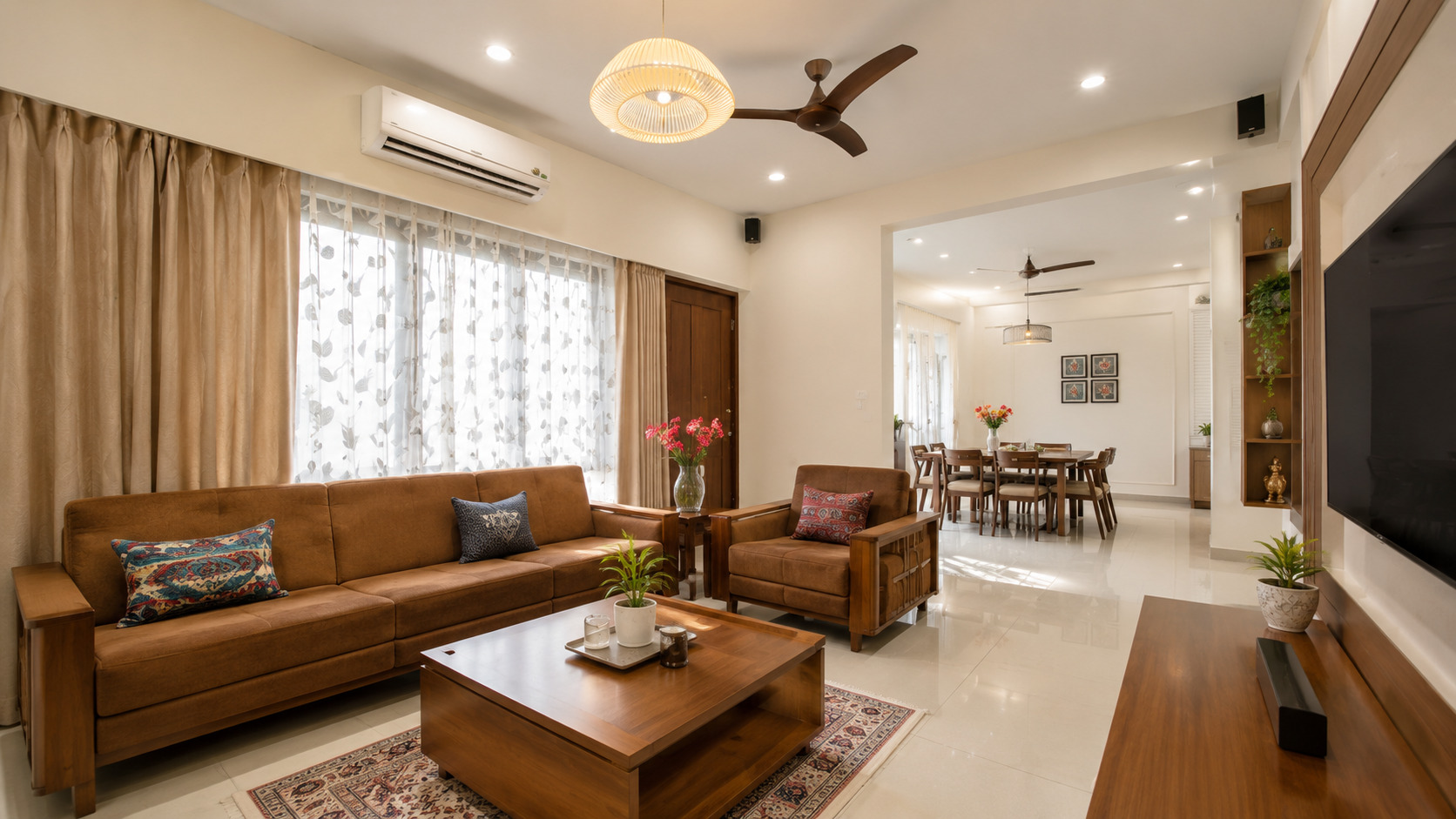
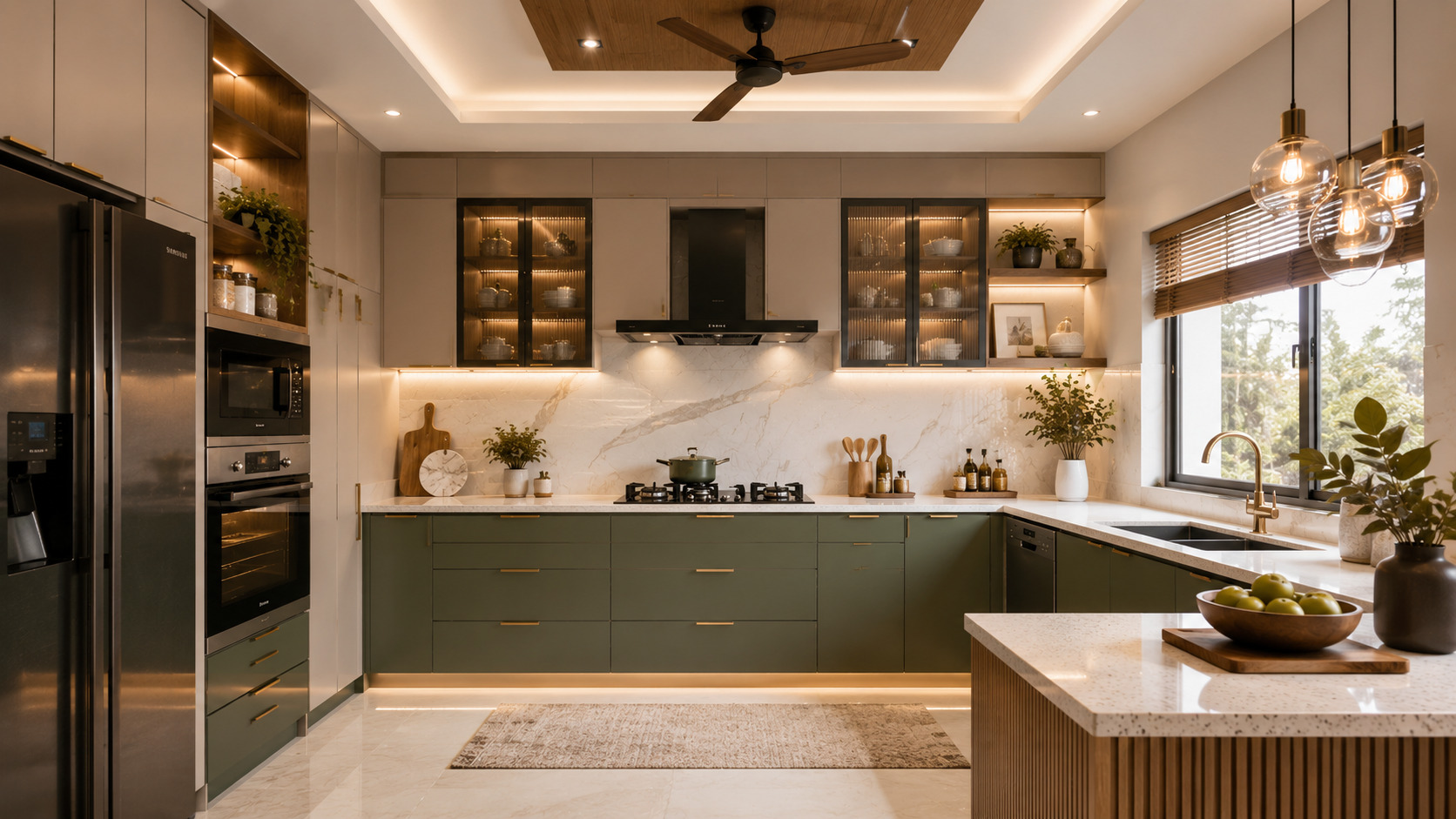
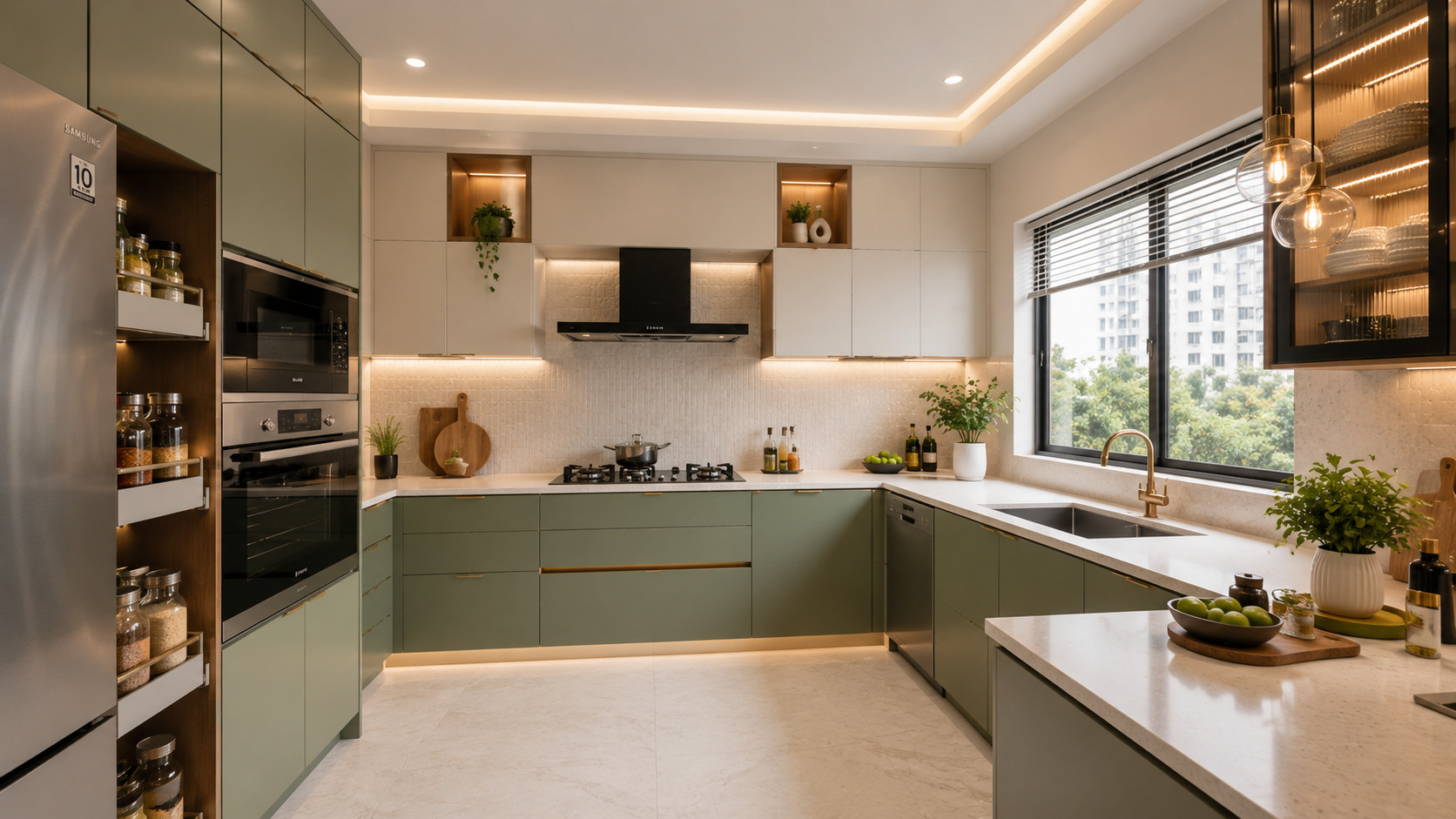
"The kitchen is where everyday moments become lasting memories. Whether it's brewing your morning coffee, preparing family meals, or celebrating festivals with loved ones, this space deserves thoughtful planning. But before choosing cabinet colors, premium finishes, or smart storage solutions, one question comes to every homeowner's mind—how much will a modular kitchen actually cost?" This featured image is a part Interior design images
Plan Your Interior Budget
Wondering what your Kitchen Design interior will cost? Get an instant estimate with our free Interior Cost Calculator — no sign-up needed.
The answer isn't as simple as quoting a single number. The cost of a modular kitchen in India depends on several factors, including its size, layout, materials, finishes, hardware, appliances, and the level of customization you choose. A compact kitchen designed for a small apartment will naturally cost less than a spacious island kitchen equipped with premium accessories and high-end finishes. Understanding these differences before starting your project helps you set a realistic budget and avoid unnecessary surprises during installation.
Whether you're designing your first home, renovating an old kitchen, or upgrading to a modern modular setup, this guide will help you understand the pricing trends for 2026. From budget-friendly kitchens to luxurious designer spaces, you'll discover what influences the overall cost and how to make smart choices that balance style, functionality, and long-term value.
What Is the Average Modular Kitchen Cost in India in 2026?
The average cost of a modular kitchen in India can range anywhere from ₹80,000 for a compact, budget-friendly setup to over ₹12 lakh for a fully customized luxury kitchen. Most homeowners, however, invest between ₹2 lakh and ₹5 lakh, as this price range offers a good balance of quality materials, durable hardware, practical storage solutions, and attractive finishes.
It's important to remember that the total project cost isn't determined by cabinets alone. A modular kitchen is made up of multiple components that work together to create a functional space. The cabinet framework, shutters, countertops, drawer systems, pull-out organizers, sink, chimney, hob, lighting, electrical work, plumbing modifications, and installation all contribute to the final budget.
Another factor that significantly affects pricing is location. Labor charges, transportation costs, and material availability vary from city to city. A modular kitchen in metropolitan areas such as Delhi, Mumbai, Bengaluru, or Hyderabad may cost more than a similar design in smaller towns due to higher labor and operational expenses.
Rather than focusing only on the lowest quotation, homeowners should evaluate the overall value offered by the design, materials, warranty, and after-sales service. A slightly higher initial investment often translates into better durability, fewer repairs, and greater satisfaction over the years.
Why Modular Kitchen Costs Vary So Much
Many people wonder why two kitchens of almost the same size can have drastically different price tags. The reason lies in the choices made during the design process.
The cabinet material is one of the biggest factors influencing cost. While MDF or particle board offers an economical solution, premium options such as marine plywood or BWP plywood provide better moisture resistance and a longer lifespan. Similarly, laminate finishes are more affordable than acrylic, PU, or veneer finishes, which enhance the appearance but also increase the budget.
Hardware is another area where costs can vary considerably. Standard hinges and drawer channels are suitable for basic kitchens, whereas soft-close systems, tandem drawers, and imported fittings provide a smoother user experience and greater durability. Although premium hardware costs more initially, it often requires less maintenance and performs reliably for many years.
Customization also plays a major role. A simple kitchen with standard cabinets is naturally more affordable than one featuring tall pantry units, corner storage solutions, built-in appliances, concealed lighting, and customized accessories. Every additional feature improves convenience but also adds to the overall project cost.
Ultimately, the price reflects not only the materials used but also the craftsmanship, engineering, and planning involved in creating a kitchen tailored to your lifestyle.
How Kitchen Layout Influences Your Budget
The layout of your kitchen is one of the earliest decisions you'll make, and it has a direct impact on both functionality and cost.
A straight modular kitchen is usually the most economical option. Designed along a single wall, it requires fewer cabinets and less hardware, making it an excellent choice for studio apartments, compact homes, or rental properties. Despite its simplicity, a well-planned straight kitchen can still provide efficient storage and a comfortable cooking experience.
An L-shaped kitchen remains one of the most popular choices among Indian homeowners because it offers a practical work triangle while making excellent use of corner space. This layout comfortably accommodates additional drawers, pull-out organizers, and overhead cabinets without feeling crowded. As a result, it generally falls into the mid-range price category and offers an excellent balance between affordability and functionality.
A parallel kitchen, also known as a galley kitchen, features two opposing countertops that maximize workspace and storage. Since this layout includes cabinetry on both sides, it naturally requires more materials, hardware, and accessories than a straight kitchen. However, for families who cook regularly, the increased storage and improved workflow often justify the additional investment.
If you have a larger home, a U-shaped kitchen provides extensive countertop space and abundant storage. With cabinets surrounding three sides of the room, this layout creates dedicated zones for preparation, cooking, and cleaning. Although the larger number of cabinets increases the project cost, the enhanced convenience and organization make it a worthwhile option for spacious homes.
At the premium end of the spectrum is the island kitchen, a design often associated with luxury residences and open-plan living spaces. The central island becomes more than just a workspace—it can function as a breakfast counter, dining area, storage unit, or even a social gathering spot. Because it requires additional cabinetry, countertops, lighting, and careful planning, an island kitchen typically represents the highest investment among all modular kitchen layouts.
Before You Fall in Love with a Design...
It's easy to admire stunning kitchens on social media, but remember that the most beautiful kitchen isn't always the most practical one. A layout that works perfectly in a spacious villa may not suit a compact apartment. Instead of choosing a design based solely on appearance, think about how you cook, how much storage you need, and how your family uses the kitchen every day. The right kitchen isn't just visually appealing—it makes your daily routine easier, more efficient, and more enjoyable.
Budget, Mid-Range, or Luxury: Which Kitchen Is Right for You?
When planning a modular kitchen, it's helpful to think in terms of investment rather than simply cost.
A budget modular kitchen, generally priced between ₹80,000 and ₹2 lakh, is ideal for homeowners looking for a practical and affordable solution. These kitchens typically feature laminate finishes, standard hardware, and economical cabinet materials. While they may not include premium accessories or extensive customization, they provide all the essential functionality needed for everyday cooking.
A mid-range modular kitchen, costing approximately ₹2 lakh to ₹5 lakh, strikes an excellent balance between aesthetics and durability. This category often includes moisture-resistant cabinet materials, branded soft-close hardware, acrylic or premium laminate finishes, better storage accessories, and a higher level of customization. For many Indian households, this price range offers the best long-term value because it combines quality construction with attractive design.
Luxury modular kitchens begin around ₹5 lakh and can exceed ₹12 lakh, depending on the project's complexity. These kitchens showcase premium plywood, imported fittings, designer finishes, smart lighting systems, integrated appliances, and highly customized layouts. Beyond functionality, luxury kitchens are designed to make a strong visual statement while delivering exceptional convenience and craftsmanship.
Choosing between these categories depends not only on your budget but also on how long you plan to stay in the home, your cooking habits, and the level of comfort you expect from your kitchen.
As Shakespeare Beautifully Said...
"All that glisters is not gold." — William Shakespeare
This timeless line perfectly reflects modular kitchen planning. A glossy finish or expensive accessory may catch your eye, but true quality lies beneath the surface. Strong cabinet construction, durable materials, reliable hardware, and thoughtful design often matter far more than decorative upgrades. Choosing wisely ensures your kitchen remains beautiful long after design trends have changed.
Expert Advice Before You Make the Final Decision
When planning a modular kitchen, avoid rushing into decisions based on attractive catalog images or promotional discounts. Visit experience centers if possible, open drawers, inspect hinges, and compare material samples before finalizing your design. Ask detailed questions about warranties, after-sales service, installation timelines, and maintenance requirements.
It's equally important to think beyond today's needs. If your family grows, your cooking habits change, or you purchase additional appliances in the future, your kitchen should still be able to accommodate those changes without requiring major renovations. A flexible design is often a smarter investment than an overly customized layout that leaves little room for adaptation.
Take time to compare multiple quotations, but don't evaluate them on price alone. Understanding exactly what is included—such as hardware brands, accessories, installation, transportation, and warranties—helps you make a more informed comparison and prevents misunderstandings later.
Final Thoughts
A modular kitchen is much more than a collection of cabinets—it's one of the most frequently used spaces in your home and one of the most valuable long-term investments you'll make. While the cost of a modular kitchen in India in 2026 can range from ₹80,000 to over ₹12 lakh, the ideal kitchen isn't defined by its price tag. It's defined by how well it fits your lifestyle, maximizes your available space, and continues to perform beautifully year after year. Rather than focusing only on creating a visually impressive kitchen, prioritize durability, functionality, and thoughtful planning. Choose materials that can withstand daily use, hardware that offers lasting performance, and storage solutions that genuinely simplify your routine. These decisions will provide far greater value than chasing short-lived design trends.
A beautifully planned kitchen isn't simply a place where meals are prepared—it's where conversations begin, celebrations unfold, and everyday memories are created. By investing wisely today, you'll enjoy a kitchen that remains comfortable, efficient, and timeless for many years to come. Your dream kitchen doesn't have to be the most expensive one. It simply has to be the one that's designed thoughtfully, built to last, and perfectly suited to the way you live.
Frequently Asked Questions
Is a modular kitchen worth the investment?
Absolutely. A modular kitchen offers better organization, improved space utilization, faster installation, and easier maintenance compared to many traditional kitchen setups. Because every cabinet is designed with a specific purpose, it helps create a cleaner, more efficient cooking environment. For homeowners planning to stay in their home for several years, the long-term convenience often outweighs the initial investment.
Which material offers the best value for money?
There isn't a single answer that suits every homeowner. If your priority is affordability, MDF or HDHMR can be practical options depending on your kitchen environment. However, for long-term durability, especially in kitchens exposed to moisture and heavy daily use, marine plywood or BWP plywood generally provides better performance and a longer lifespan. The right material depends on your budget, cooking habits, and maintenance expectations.
How much should I keep aside as a contingency budget?
Even the best-planned projects can involve minor changes during execution. Electrical adjustments, plumbing modifications, or additional accessories often increase the overall cost slightly. Setting aside approximately 10–15% of your planned kitchen budget provides flexibility and helps avoid financial stress if unexpected expenses arise.
Can I build a premium-looking kitchen without spending a fortune?
Yes. A luxurious appearance doesn't always require luxury pricing. Many homeowners achieve elegant interiors by combining durable laminate finishes with high-quality hardware, carefully planned lighting, and a clean, minimalist design. Thoughtful planning often creates a more sophisticated result than expensive materials used without purpose.
Which investment should never be compromised?
While decorative finishes can always be upgraded later, the structural elements of your kitchen should never be compromised. Strong cabinet materials, moisture-resistant boards, reliable hardware, and professional installation form the foundation of a kitchen that performs well for years. These are the areas where quality truly matters.