LED Video Walls at Home: Designing a Living Room Around a Seamless Screen
Design a modern living room around a seamless LED video wall with smart planning for screen size, viewing distance, brightness, ambient lighting, audio, and home automation.
Lexangrit Editorial Team
November 27, 2026
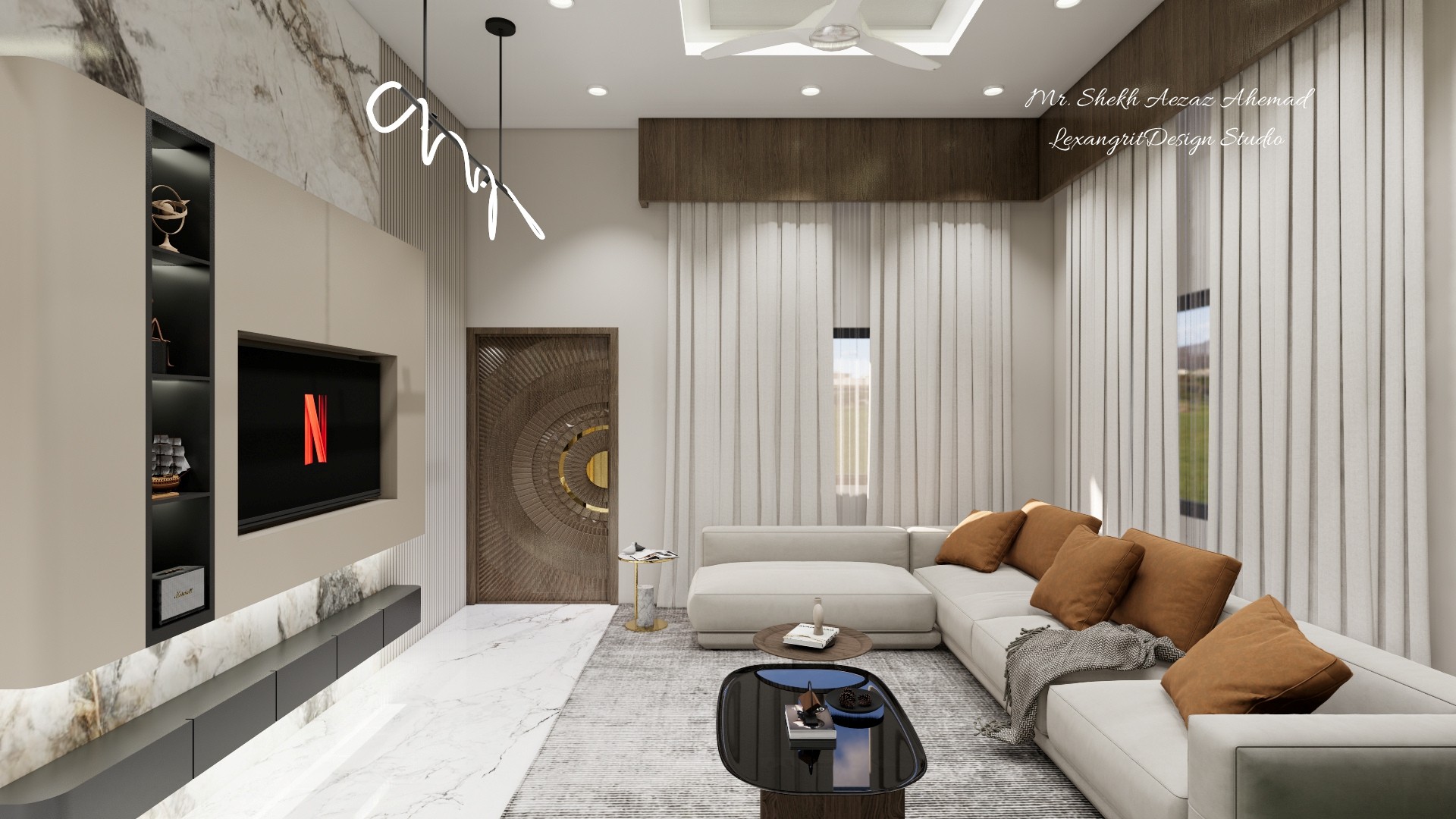
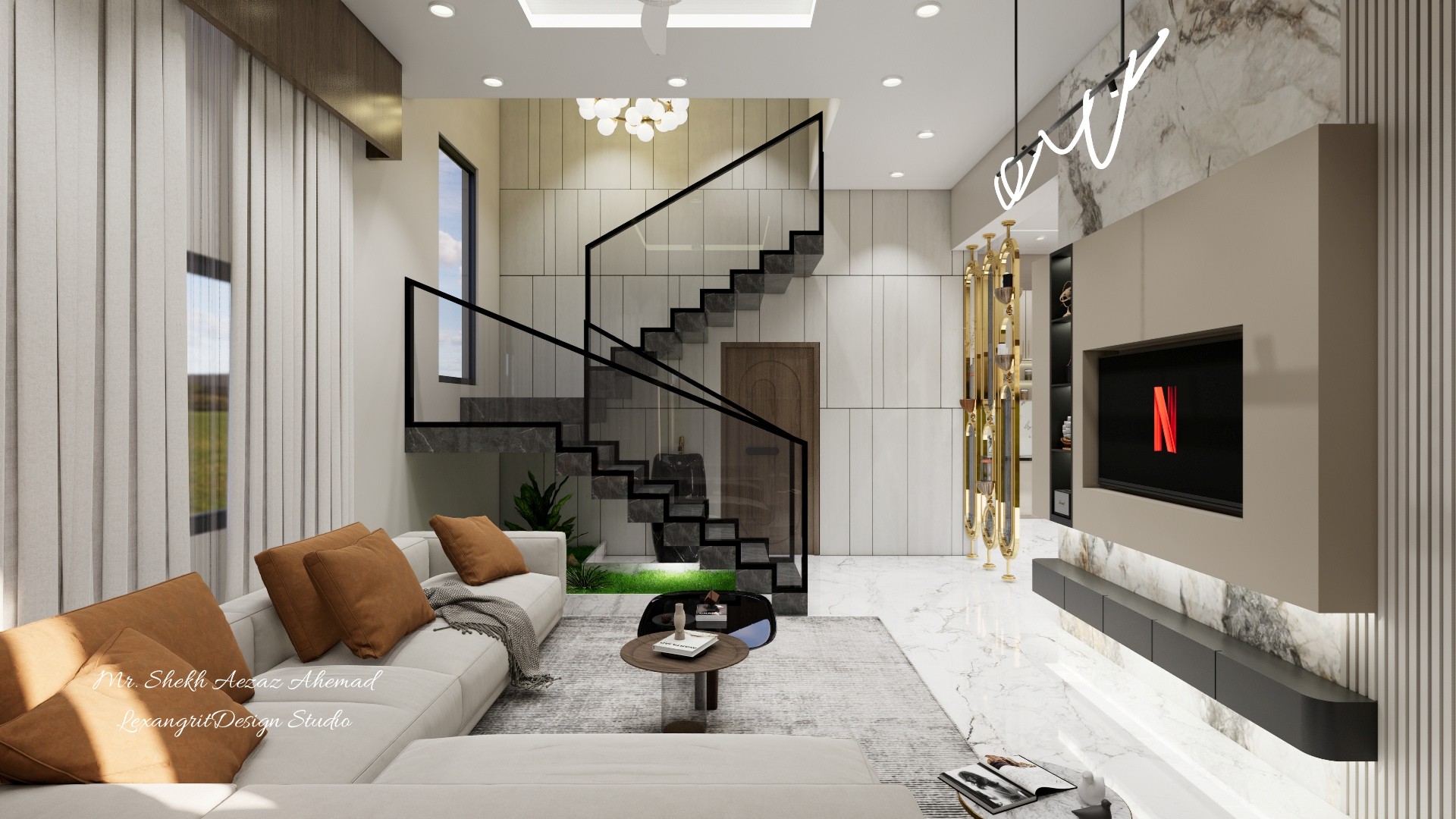
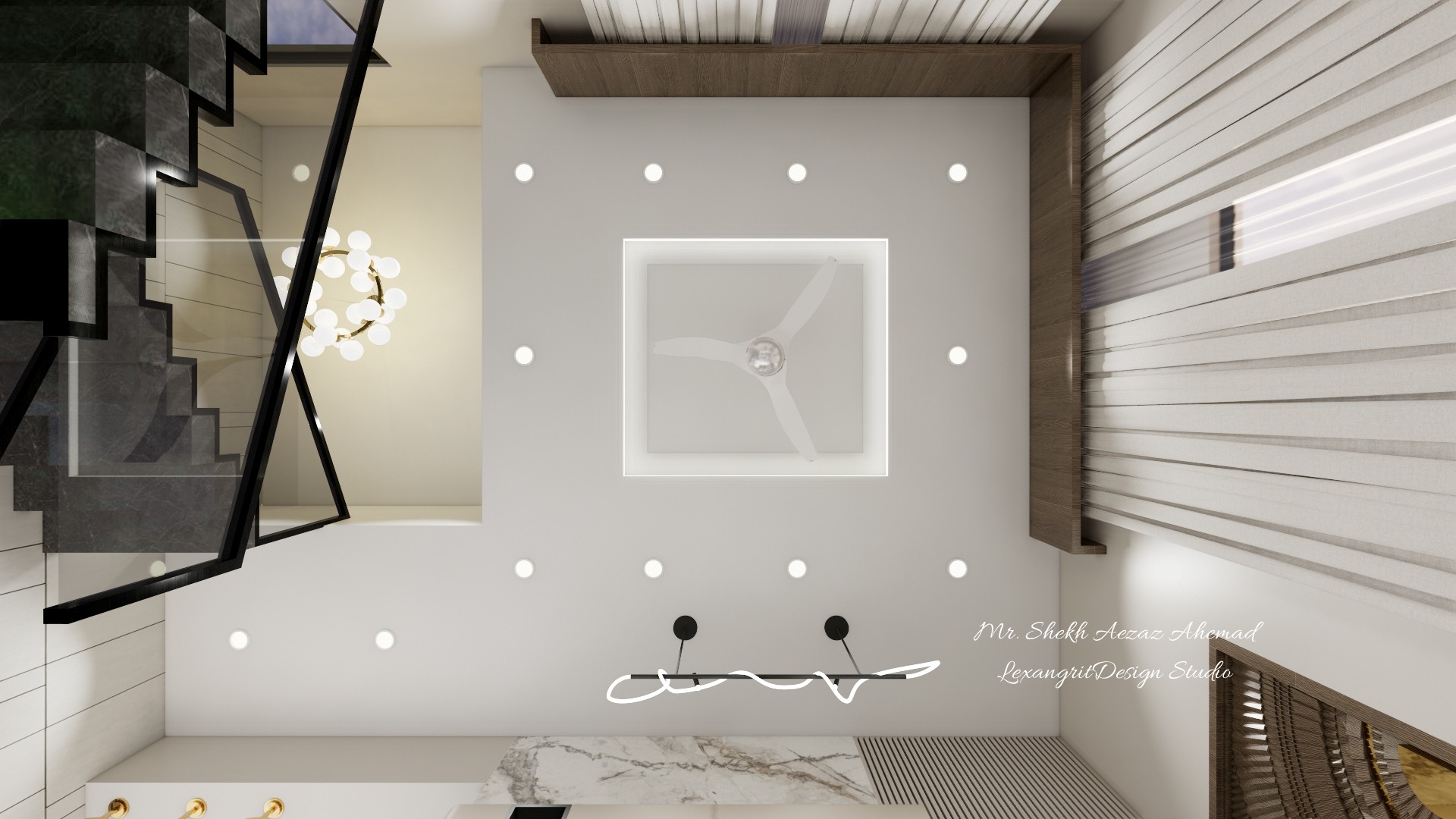
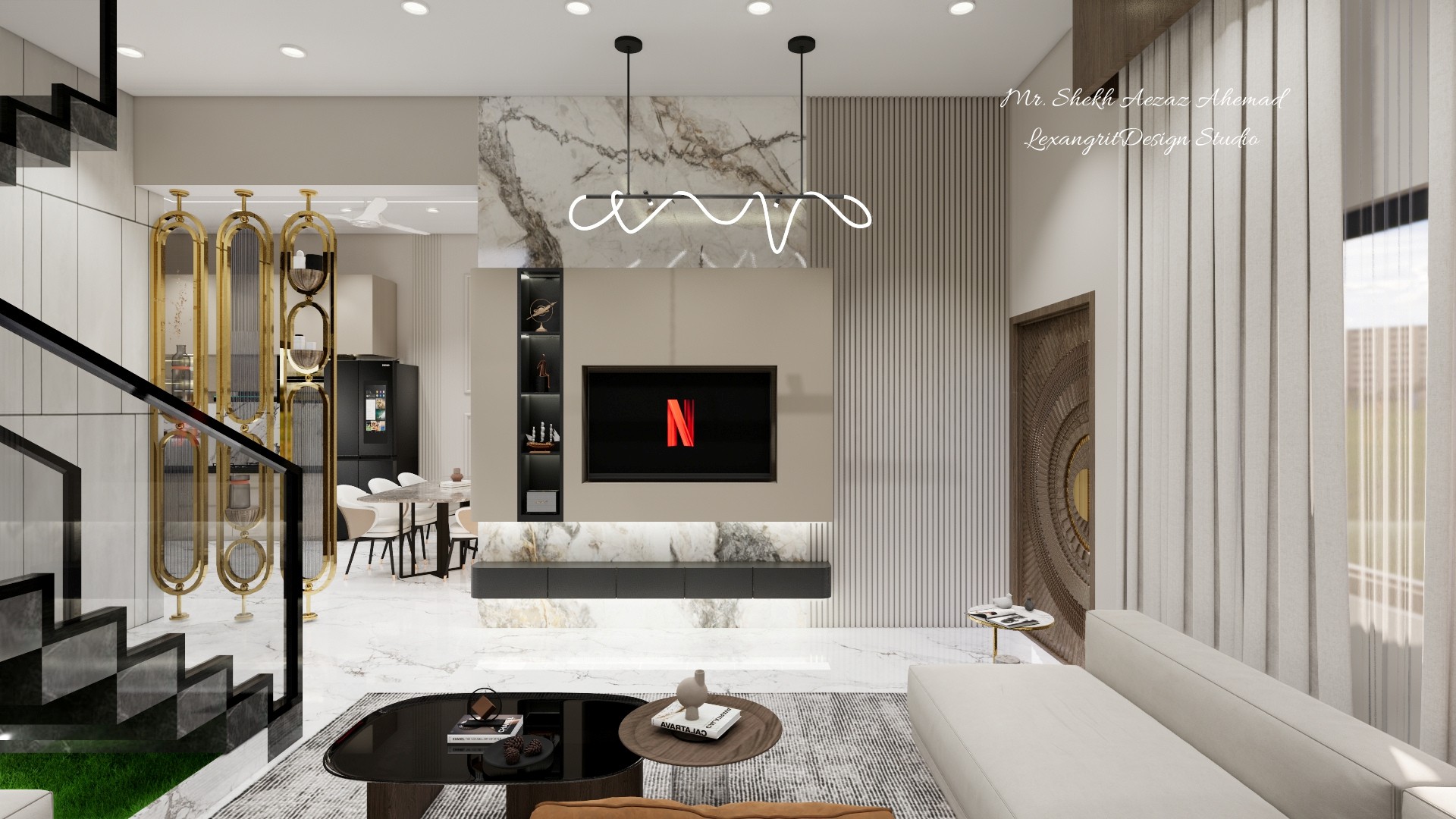
Design a living room around a seamless LED video wall. Explore screen sizing, viewing distance, brightness, ambient lighting, sound, smart controls and installation tips. This featured image is a part Villa Interior Design in Rajkot, Gujarat – Mr. Shekh Aezaz | Lexangrit
Plan Your Interior Budget
Wondering what your LED video wall interior will cost? Get an instant estimate with our free Interior Cost Calculator — no sign-up needed.
Introduction
Most living rooms are built around a television, and the television decides where everything else goes. The sofa faces it, the shelves work around it, and the room quietly organises itself around a black rectangle. An LED video wall turns that habit upside down. Instead of fitting a screen into a room, you design the room around the screen, and the wall itself becomes the picture, the light, and the centre of the evening. The panels have become slim and quiet enough to live in a home, and more homeowners are asking what a living room looks like when the wall is the display.
Sizing and Viewing Distance
The first decision is size, and it is less about the biggest panel you can afford than about the distance from the sofa. A video wall is made of LED panels joined together, so it can be built to almost any size, but the viewing distance decides whether the picture feels smooth or coarse. Sit at a normal living room distance, three or four metres back, and a fine-pitch wall looks like one continuous image. Measure the room before you fall in love with a size. A wall that fills the space between two shelves often looks better than a wall that swallows the whole room, because the room still needs to feel like a room.
Managing Brightness and Dimming
Brightness is the next thing to get right, and it works differently at home than in a shop. A store wants a screen that fights sunlight all day. A living room wants a screen that can go dim in the evening without losing colour. LED walls can do both, but only if the brightness is set for the room rather than left at the factory level. A wall that is too bright in a dark room will tire your eyes within an hour. A wall with a good dimming range lets you watch a film in the evening at a comfortable level, then raise it slightly in the afternoon when the curtains are open. Ask about the lowest brightness, not just the highest, because that is the number you will live with most evenings.
Integrating Room Lighting
Lighting design around the wall matters as much as the wall itself. A bare LED wall on a plain white wall can look like a shop display that wandered into a house. The rooms that work best treat the wall as part of the lighting plan. Soft wall lights or a warm strip of light behind a floating shelf take the edge off the screen when it is off, and they stop the room from feeling flat when it is on. A dimmer on the room lights is a small detail that makes a large difference, because you can lower the room light as the screen comes up.
Audio and Power Planning
Sound is easy to forget and hard to fix later. A video wall has no speakers worth listening to, so the sound has to come from somewhere else. A soundbar under the wall works for many rooms, and it keeps the setup simple. A room used for films deserves proper speakers, placed where the seating actually is. Run the cables before the wall goes up, not after, because the panels hide the wall behind them. The same applies to power. A video wall draws more power than a television, and it needs its own circuit rather than sharing a socket with a lamp and a phone charger.
Smart Home Control & Ambient Display
Smart home control is where a video wall starts to feel like it belongs in a modern living room. The wall can be switched on with the room lights, dimmed with the evening scene, or set to show a quiet image when nobody is watching. A still photograph, a slow landscape, a piece of digital art, and the wall stops being a black rectangle and starts behaving like a window. The point is not to fill every hour with video. It is to have a wall that can be bright and lively when you want it, and quiet and soft when you do not.
Cost and Practical Considerations
Cost is the honest part of the conversation. A video wall costs more than a large television, and the gap is not small according to Desert Star Advertising , one of the top suppliers indoor LED screens, outdoor LED screens, rental LED screens, LED video walls and digital signage across Dubai and the UAE. Panels, mounting, power work and installation all add up. What you get for that money is a picture with no bezel, a size that fits your wall exactly, and a screen that can change from film to art to a family slideshow in seconds. For a household that uses the living room every evening, that flexibility is the real value. For a room that is used once a week, a television is probably the wiser buy.
Conclusion
A living room built around a video wall works when the planning comes first. Measure the distance, set the brightness for the evening, and plan the lights and the sound before the panels go up. Get those things right, and the wall stops being a piece of equipment and becomes the part of the room everyone gathers around.