Best Wardrobe Internal Layouts: Smart Storage Ideas for Every Lifestyle
Lexangrit Editorial Team
July 28, 2026
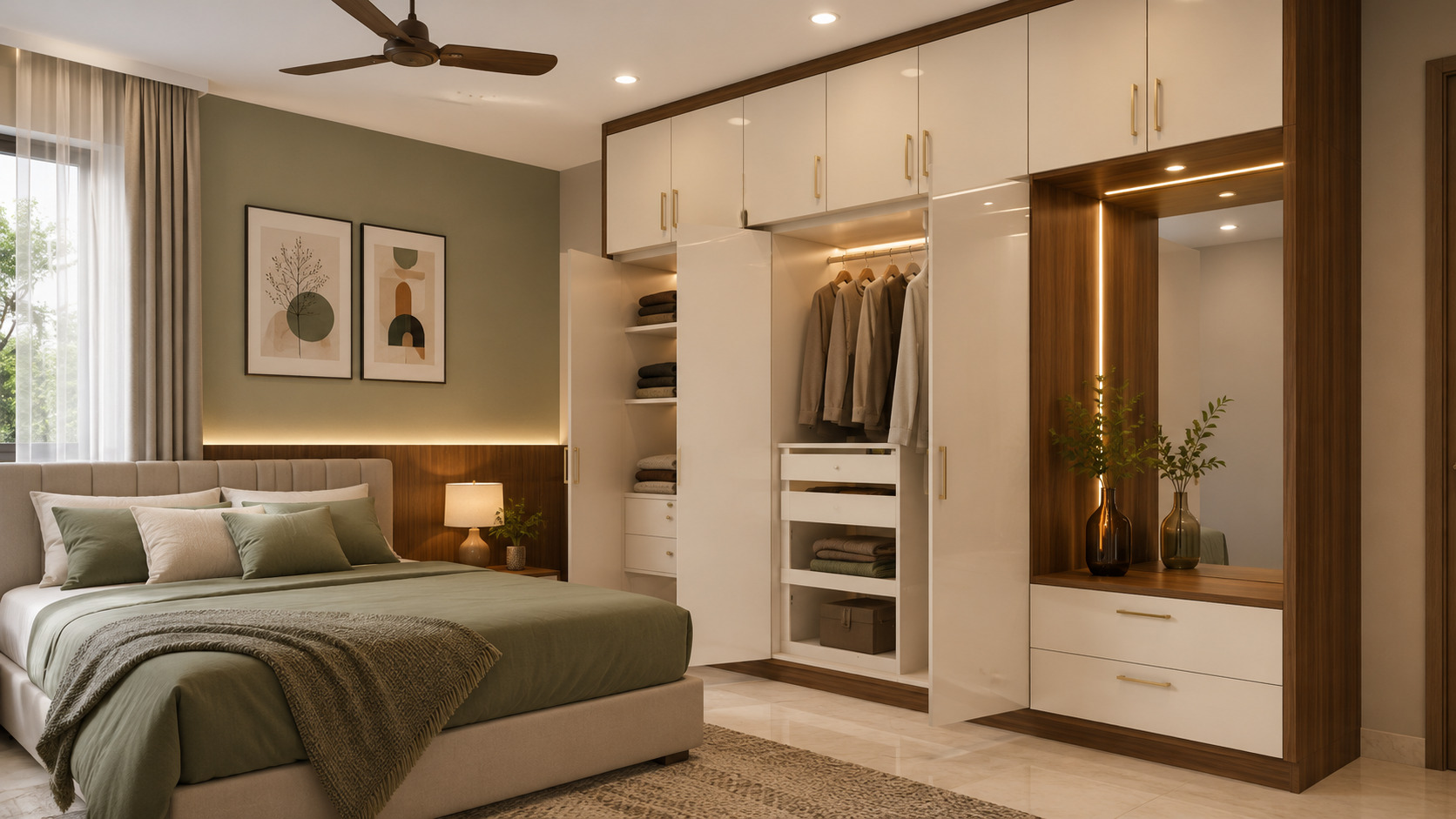
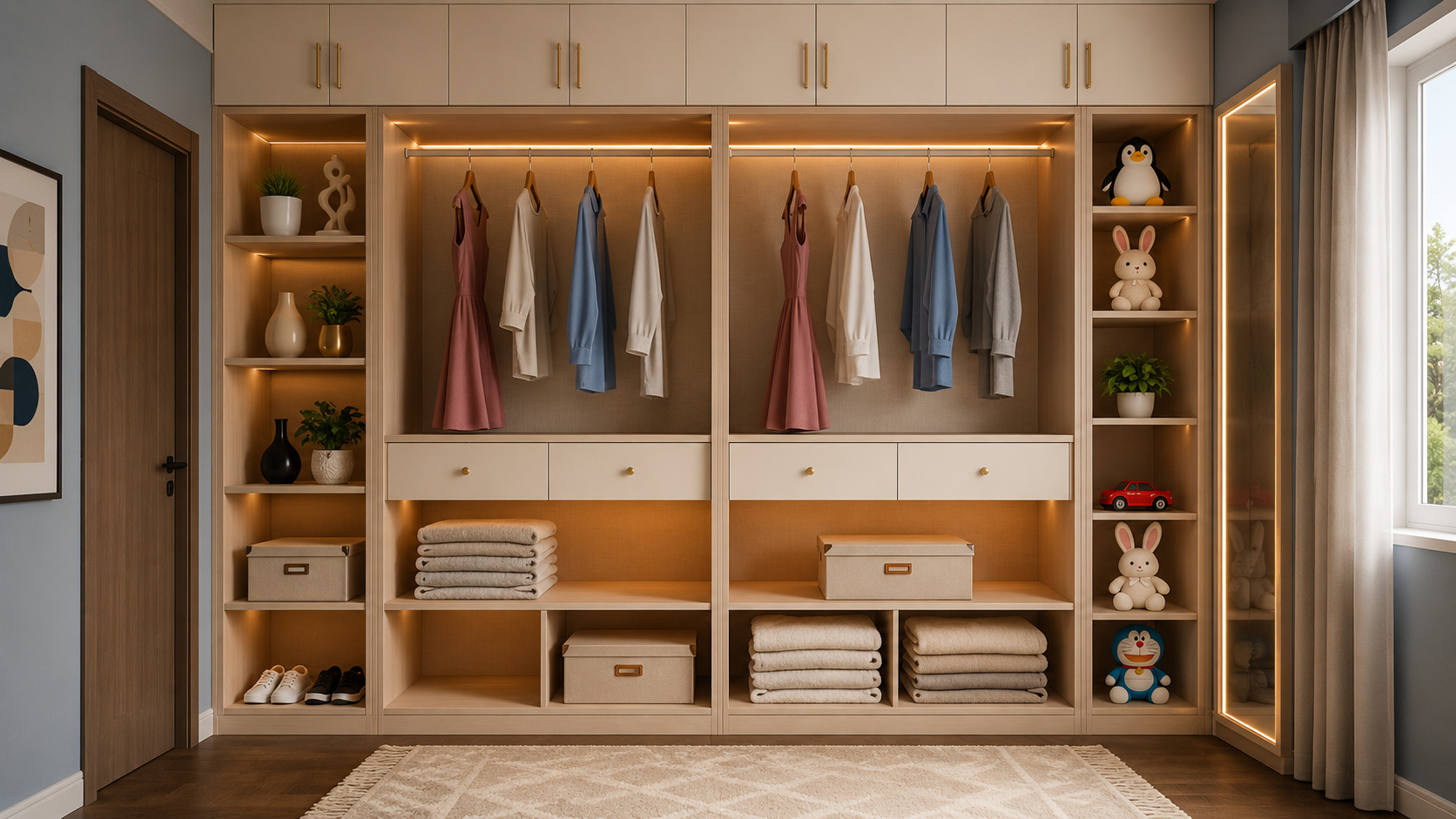
A well-designed wardrobe doesn't just store your clothes—it simplifies your mornings, keeps your space organized, and brings effortless style to your everyday life. A wardrobe is much more than a place to hang clothes. It's one of the most frequently used storage spaces in your home, and its internal layout determines how efficiently you organize your belongings. Even the most beautiful wardrobe can become frustrating if the inside isn't planned properly. Clothes get mixed up, accessories go missing, and valuable storage space is wasted. A thoughtfully designed wardrobe interior helps you maximize every inch of available space while making daily routines easier. Whether you own formal wear, traditional outfits, seasonal clothing, handbags, shoes, or accessories, the right internal layout ensures that everything has its place. In this guide, we'll explore the best wardrobe internal layouts, different storage compartments, layouts based on lifestyle, and practical tips to help you design a wardrobe that's both functional and stylish. This featured image is a part Image base
Plan Your Interior Budget
Wondering what your Wardrobe Design interior will cost? Get an instant estimate with our free Interior Cost Calculator — no sign-up needed.
Why Does Wardrobe Internal Layout Matter?
Many homeowners spend time choosing wardrobe colours, finishes, and door designs but overlook what's inside. However, the internal layout has a greater impact on daily convenience than the exterior appearance.
A well-planned wardrobe allows you to organize clothes efficiently, reduce clutter, protect delicate garments, and make better use of available space. Instead of searching through piles of clothes every morning, you'll know exactly where everything is stored.
The right layout also helps prevent wrinkles, improves accessibility, and keeps your bedroom looking neat throughout the year.
✨ Your Wardrobe Should Work for You
A beautiful wardrobe catches the eye, but a smart wardrobe saves your time every single day. The best storage isn't about having more space—it's about using every inch wisely.
Essential Sections Every Wardrobe Should Have
Every wardrobe should be divided into dedicated storage zones based on the items you use most frequently.
Hanging Section
The hanging section is one of the most important parts of any wardrobe. It is ideal for shirts, dresses, jackets, sarees, suits, blazers, coats, and delicate fabrics that need to remain wrinkle-free.
Long garments such as gowns and dresses require full-height hanging space, while shirts and trousers can be stored in shorter hanging sections. If your wardrobe has enough height, consider installing double hanging rods to maximize vertical space.
Shelves
Shelves provide convenient storage for folded clothes such as T-shirts, sweaters, jeans, towels, bedsheets, and seasonal clothing.
Adjustable shelves offer greater flexibility because they can be repositioned as your storage needs change over time. Open shelves also make frequently used items easier to access.
Drawers
Drawers help organize smaller items that would otherwise create clutter.
They are perfect for storing:
- Undergarments
- Socks
- Belts
- Watches
- Jewellery
- Documents
- Accessories
Soft-close drawers provide smoother operation while protecting the furniture from daily wear and tear.
Loft Storage
The loft section above the wardrobe is ideal for items that aren't used regularly.
It can be used for:
- Suitcases
- Blankets
- Extra pillows
- Winter clothing
- Festival decorations
- Travel bags
Using loft storage keeps rarely used items out of the main wardrobe area while maximizing vertical space.
Shoe Storage
Instead of storing shoes around the bedroom, dedicate one section inside the wardrobe.
Pull-out shoe racks or adjustable shelves help organize footwear neatly while keeping dust away.
Accessory Storage
Modern wardrobes often include dedicated storage for accessories.
Special organizers can store:
- Handbags
- Ties
- Scarves
- Sunglasses
- Jewellery
- Perfumes
Keeping accessories organized makes getting ready much faster every morning.
Wardrobe Layouts Based on Lifestyle
No two households have the same storage needs. The best wardrobe layout depends on your lifestyle, profession, and daily routine.
Layout for Working Professionals
Professionals usually require more hanging space for office wear such as shirts, trousers, blazers, dresses, and suits.
A practical layout includes double hanging rods, multiple drawers for accessories, and dedicated shelves for folded casual clothing. Separate compartments for belts, watches, and ties make everyday dressing more convenient.
Layout for Couples
A shared wardrobe should provide equal storage for both users.
Dividing the wardrobe into two clearly defined sections prevents clutter and makes organization easier. Each person can have their own hanging area, shelves, drawers, and accessory storage, while loft cabinets can be shared for seasonal items and travel luggage.
Layout for Families
Families often need wardrobes that can adapt to changing storage requirements.
Combining hanging sections, adjustable shelves, drawers, and larger storage compartments allows the wardrobe to accommodate clothes for different family members. Dedicated sections for school uniforms, children's clothing, and bedding can improve organization.
Layout for Fashion Enthusiasts
If you own an extensive clothing collection, prioritize specialized storage.
Include multiple hanging sections for dresses and jackets, deep drawers for accessories, pull-out trays for jewellery, dedicated handbag shelves, and display compartments for premium footwear. Glass-front sections with integrated lighting can also showcase your favourite pieces while keeping them protected.
Layout for Compact Bedrooms
Smaller bedrooms require smarter storage planning.
Opt for full-height wardrobes with loft cabinets, pull-out drawers, adjustable shelves, and sliding doors to save space. Using every vertical inch efficiently can significantly increase storage capacity without making the room feel crowded.
Open vs Closed Storage
A combination of open and closed storage often works best.
Closed cabinets keep the wardrobe looking clean while protecting clothes from dust. Open shelves provide quick access to frequently used items and can also display decorative storage boxes or handbags.
Balancing both types of storage creates a wardrobe that is both practical and visually appealing.
As William Shakespeare wisely said,
"Better three hours too soon than a minute too late."
The same applies to wardrobe planning. Investing time in designing the right internal layout before installation can save years of frustration, clutter, and expensive modifications later.
Smart Wardrobe Accessories That Improve Organization
A well-designed wardrobe is more than shelves and hanging rods. Modern accessories help maximize storage, improve accessibility, and keep everything neatly organized. Choosing the right accessories can transform even a compact wardrobe into a highly functional storage solution.
Pull-out trouser racks keep formal trousers wrinkle-free while making them easy to access. Jewellery organizers prevent necklaces, rings, and bracelets from getting tangled. Tie and belt organizers save drawer space and make accessories easier to find. Pull-out baskets are ideal for storing scarves, handbags, or folded clothing, while dedicated watch trays protect valuable accessories.
If space allows, adding a pull-down hanging rail is another excellent option for tall wardrobes. It utilizes the upper section efficiently without compromising accessibility.
These small additions may seem simple, but they significantly improve the overall functionality of your wardrobe.
Choosing the Right Materials for Wardrobe Interiors
The internal structure of a wardrobe is just as important as its exterior finish. Selecting durable materials ensures the wardrobe remains strong, stable, and resistant to daily wear.
Plywood is one of the most popular choices because of its strength, moisture resistance, and long lifespan. HDHMR boards are another excellent option, offering high durability and better resistance to humidity than standard MDF.
Laminates remain a practical finish for wardrobe interiors because they are easy to clean, scratch-resistant, and available in numerous colours and textures. Matte finishes are particularly popular as they hide fingerprints and dust more effectively than glossy surfaces.
Premium drawer channels, soft-close hinges, and quality handles or profile systems also contribute to the wardrobe's overall durability and smooth operation.
Tips for Planning the Perfect Wardrobe Interior
Before finalizing your wardrobe design, take time to evaluate your daily storage needs rather than simply copying popular layouts.
Start by making a list of what you own. Count how many shirts, dresses, sarees, trousers, shoes, handbags, and accessories require storage. This helps determine how much hanging space, shelving, and drawer storage you'll actually need.
Prioritize frequently used items by placing them at eye level. Seasonal clothing, blankets, and travel bags can be stored in loft cabinets, while everyday essentials should remain easily accessible.
Adjustable shelves provide greater flexibility because your storage requirements may change over time. Incorporating LED lighting inside the wardrobe also improves visibility, making it easier to locate clothes without disturbing the rest of the room.
Good ventilation is another important consideration. Proper airflow helps prevent moisture build-up, unpleasant odours, and damage to fabrics.
Common Wardrobe Layout Mistakes to Avoid
Even spacious wardrobes can become inconvenient if the internal layout isn't planned properly.
One common mistake is allocating too much hanging space while neglecting shelves and drawers. Although hanging sections are essential, many everyday items are better stored folded.
Another mistake is ignoring vertical storage. Empty space above hanging rods or below shelves often goes unused when it could accommodate additional compartments.
Many homeowners also overlook accessory storage. Without dedicated sections, jewellery, belts, scarves, and watches quickly create clutter inside drawers.
Using fixed shelves throughout the wardrobe is another limitation. Adjustable shelving offers far greater flexibility and allows the wardrobe to adapt as your storage needs evolve.
Poor lighting can also make a wardrobe feel less functional. Integrated LED lights improve visibility while adding a premium touch to the interior.
How to Maximize Storage in a Small Wardrobe
Limited space doesn't necessarily mean limited storage. With smart planning, even compact wardrobes can accommodate a surprising number of belongings.
Using double hanging rods instantly increases hanging capacity for shirts, trousers, and shorter garments. Loft cabinets provide additional storage for seasonal items, while pull-out drawers make use of deeper sections efficiently.
Sliding wardrobe doors are another excellent choice for small bedrooms because they eliminate the need for door clearance. Slim pull-out organizers, corner shelves, and built-in accessory trays also help utilize every available inch.
Storage boxes and fabric organizers can further improve organization by separating smaller items and preventing clutter.
The key is to design every compartment with a specific purpose rather than leaving unused spaces.
Is a Customized Wardrobe Layout Worth It?
A customized wardrobe layout may require a slightly higher investment, but it offers significant long-term benefits.
Unlike standard wardrobe interiors, customized layouts are designed around your personal lifestyle and storage habits. Instead of adjusting your belongings to fit the wardrobe, the wardrobe is designed to fit your belongings.
Whether you own an extensive shoe collection, frequently wear formal clothing, or need additional storage for sarees and accessories, customization ensures every compartment serves a practical purpose.
Over time, this improves organization, reduces clutter, and makes everyday routines more efficient.
Final Verdict
The best wardrobe isn't the biggest one—it's the one that's designed around the way you live. A thoughtfully planned internal layout makes daily routines easier, protects your belongings, and ensures every inch of space is used efficiently. Whether you're designing a wardrobe for a working professional, a growing family, a couple, or someone with an extensive fashion collection, the right combination of hanging sections, shelves, drawers, loft storage, and accessories can transform the way you organize your home. Before choosing colours or finishes, focus on what truly matters—the interior. A smart wardrobe layout is an investment that brings lasting convenience, better organization, and a clutter-free lifestyle for years to come.
Frequently Asked Questions
What is the ideal wardrobe internal layout?
The ideal layout includes a combination of hanging space, adjustable shelves, drawers, loft storage, shoe compartments, and dedicated accessory organizers. The exact proportions should be based on your lifestyle and clothing collection.
How much hanging space should a wardrobe have?
This depends on the type of clothing you own. Professionals often require more hanging space for formal wear, while families may benefit from additional shelving for folded clothes.
Are drawers necessary inside a wardrobe?
Yes. Drawers help organize smaller items such as undergarments, socks, accessories, jewellery, documents, and watches while keeping the wardrobe tidy.
Which material is best for wardrobe interiors?
Plywood and HDHMR are among the best choices due to their durability, moisture resistance, and long lifespan. Quality laminates also provide an attractive and easy-to-maintain finish.
How can I increase storage in a small wardrobe?
Using double hanging rods, loft cabinets, pull-out drawers, adjustable shelves, and wardrobe organizers can significantly improve storage capacity without increasing the wardrobe size.