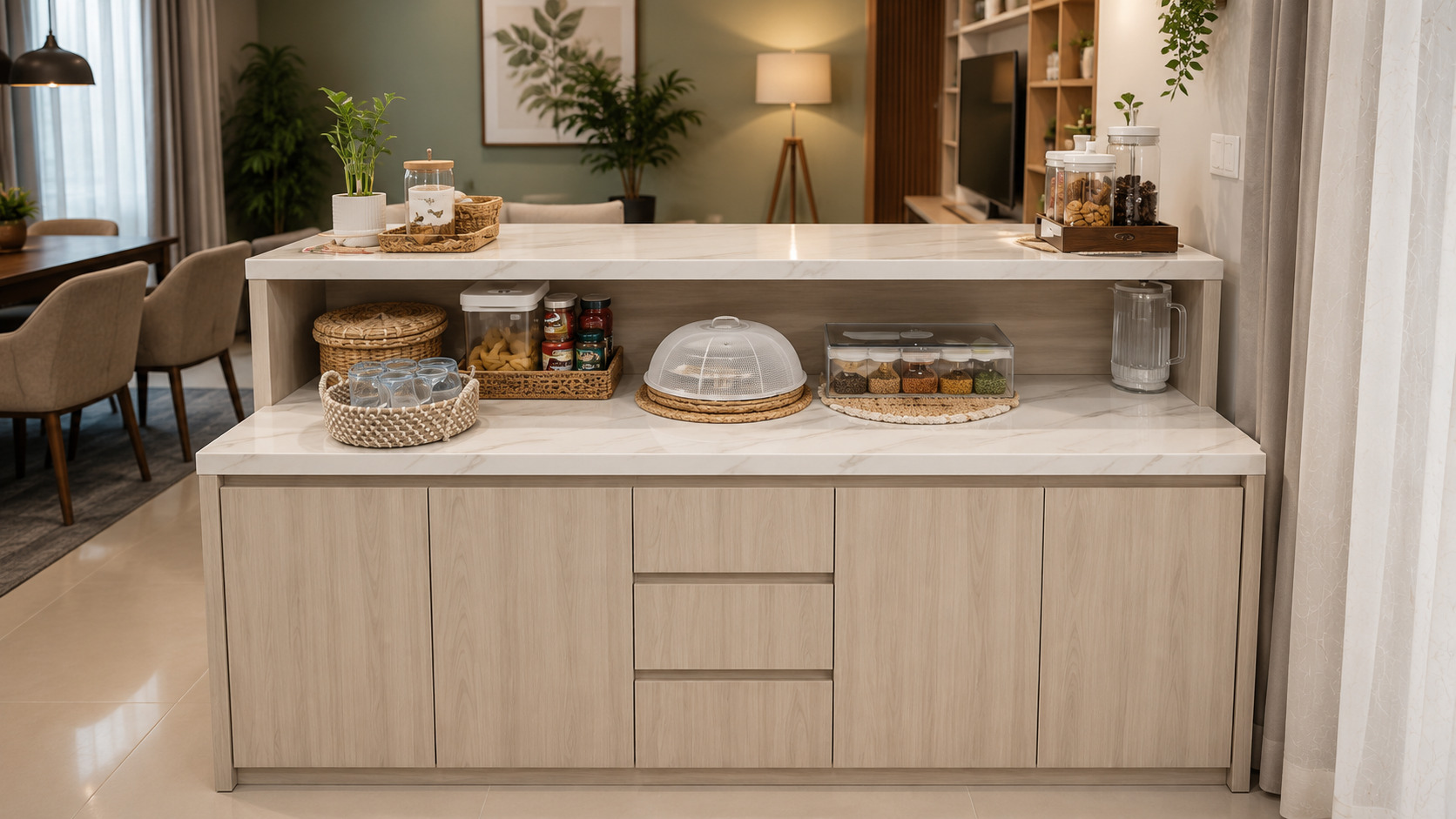
Handleless Kitchen Guide: Everything You Need to Know Before Choosing One
Lexangrit Editorial Team
July 28, 2026
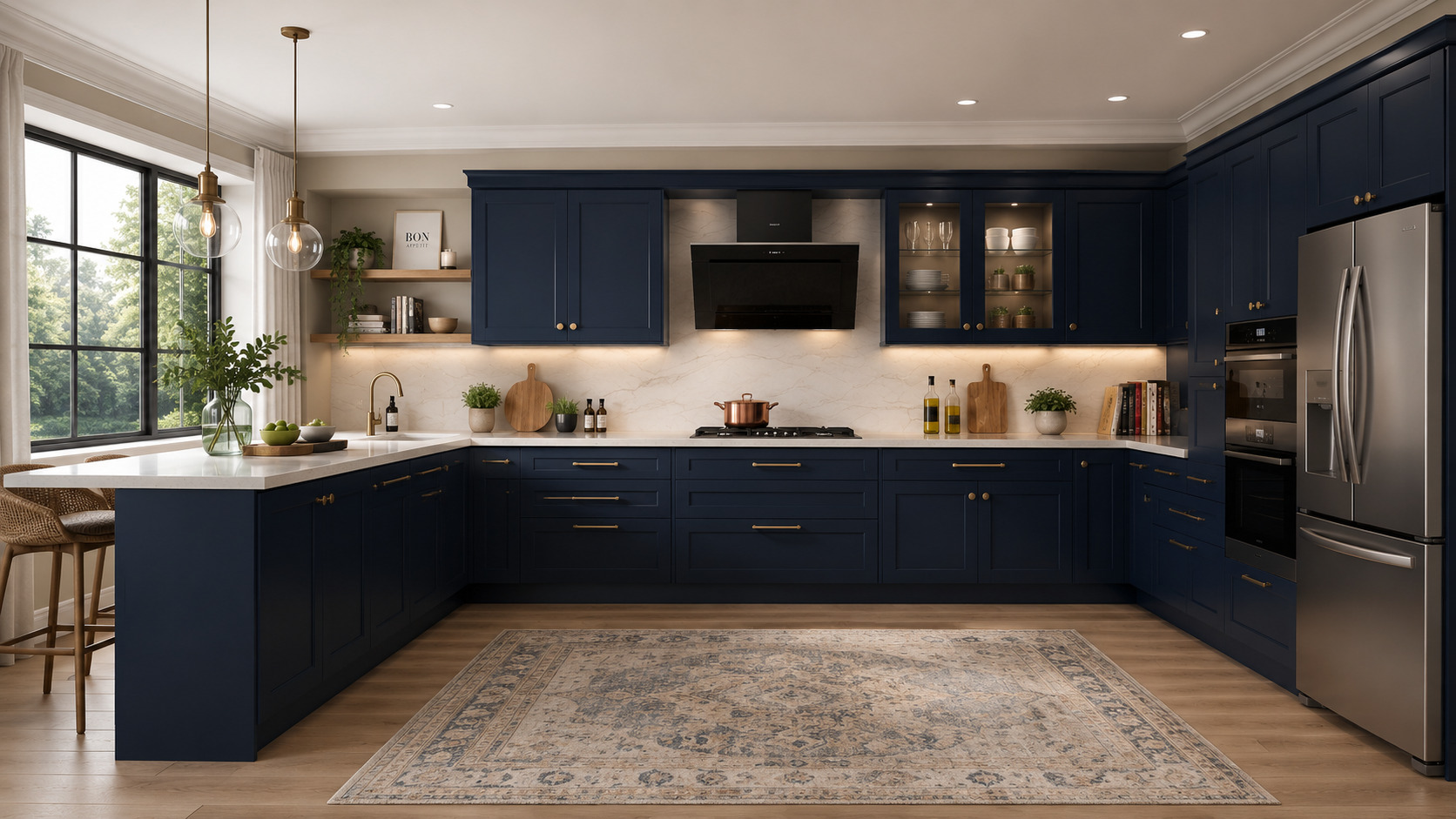
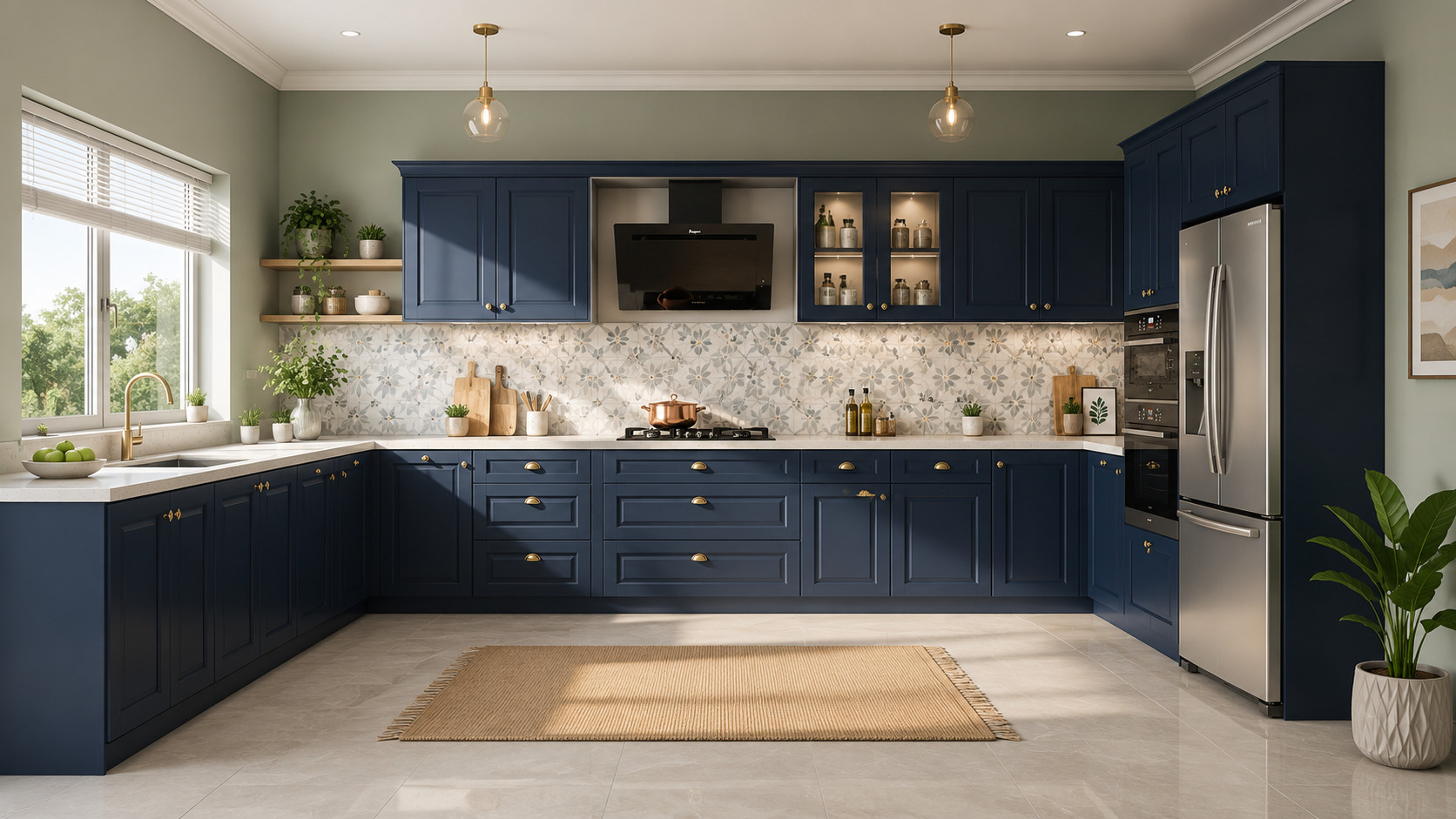
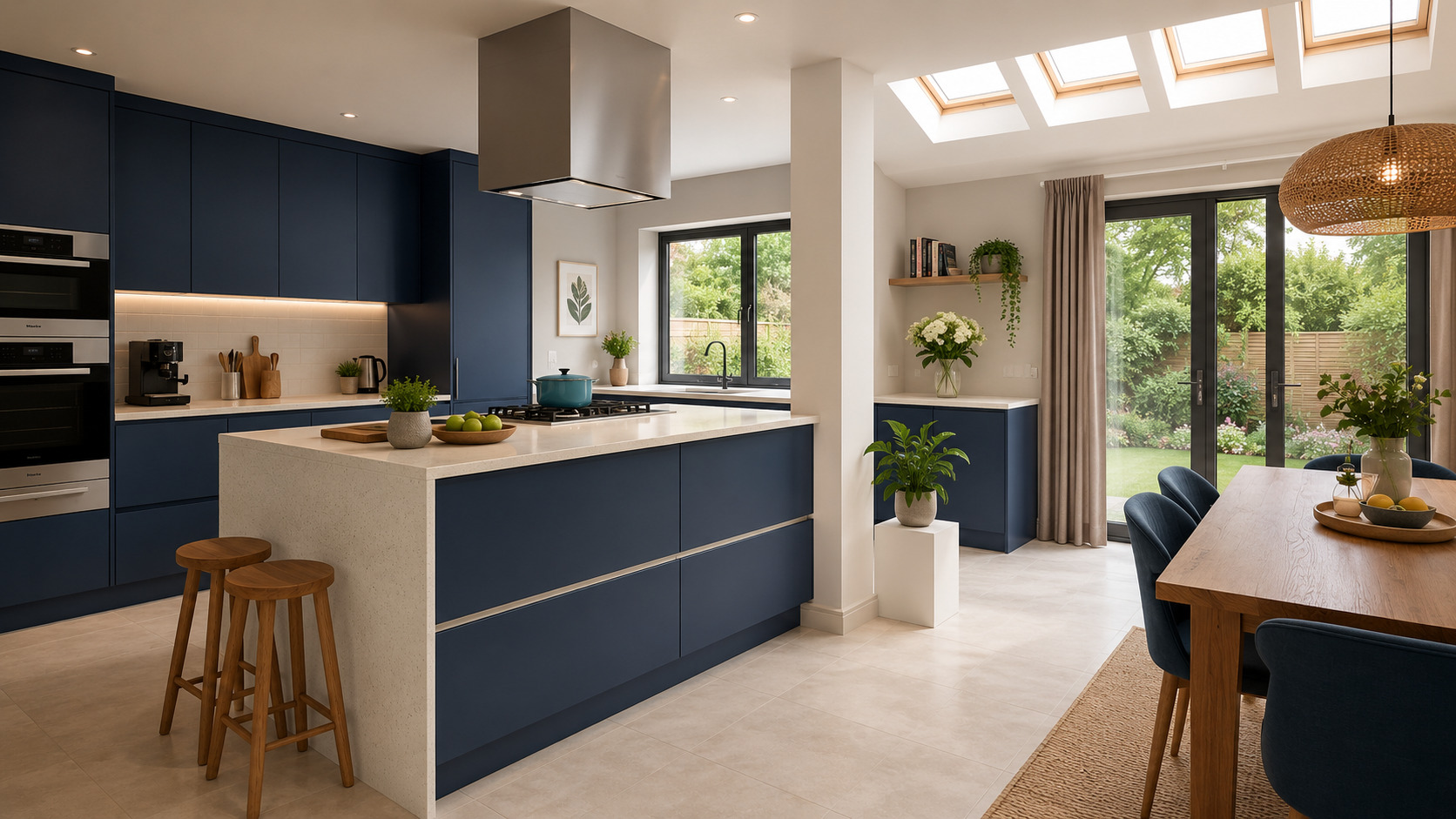
The best kitchens aren't just built to cook—they're designed to simplify life while adding timeless beauty to your home. The kitchen has evolved from being a purely functional space to becoming one of the most stylish and frequently used areas of a home. Modern homeowners are now looking for designs that combine aesthetics with practicality, and one trend that continues to gain popularity is the handleless kitchen. Known for its sleek appearance, clean lines, and clutter-free look, a handleless kitchen creates a sophisticated atmosphere that complements contemporary interiors. Unlike traditional kitchens with visible knobs or cabinet handles, handleless kitchens use concealed opening systems that allow cabinets and drawers to open smoothly without interrupting the design. The result is a seamless, elegant space that feels larger, cleaner, and more luxurious. However, choosing a handleless kitchen involves more than simply following a design trend. Homeowners should understand the different opening mechanisms, compare Gola profiles and J-profiles, evaluate maintenance requirements, and determine whether this style suits their daily cooking habits. This guide covers everything you need to know before investing in a handleless kitchen. This featured image is a part Interior design images
Plan Your Interior Budget
Wondering what your Kitchen Design interior will cost? Get an instant estimate with our free Interior Cost Calculator — no sign-up needed.
What Is a Handleless Kitchen?
A handleless kitchen is a modern kitchen design where cabinet doors and drawers do not have external handles. Instead, they open using specially designed systems such as recessed aluminium channels, integrated profile handles, or push-to-open mechanisms. Because there are no protruding handles, the cabinet fronts create a smooth and uninterrupted surface. This minimalist appearance has made handleless kitchens one of the most popular choices in luxury homes, apartments, and contemporary interior designs. Apart from improving aesthetics, removing handles also makes movement around the kitchen easier. There are fewer objects to bump into, making the kitchen safer for children and more comfortable in compact spaces.
Why Are Handleless Kitchens So Popular?
Handleless kitchens have become a preferred option because they combine elegant design with everyday functionality. The biggest attraction is their clean and seamless appearance. Without visible handles, cabinets blend together effortlessly, creating a modern look that feels organised and uncluttered. This visual simplicity makes even smaller kitchens appear larger and brighter. Another reason for their popularity is easy maintenance. Traditional cabinet handles often collect grease, fingerprints, and dust. Since handleless kitchens eliminate exposed hardware, cleaning becomes quicker and more convenient. Modern homeowners also appreciate how well handleless kitchens complement open-plan living spaces. Their streamlined appearance allows the kitchen to merge beautifully with dining and living areas, creating a cohesive interior design.
Design That Speaks for Itself
A truly beautiful kitchen doesn't rely on decoration—it impresses through simplicity, thoughtful design, and effortless functionality. That's the timeless appeal of a handleless kitchen.
Types of Handleless Kitchen Systems
Not all handleless kitchens operate in the same way. There are three common systems, each offering different advantages depending on your budget, lifestyle, and design preference.
Gola Profile Kitchen
A Gola profile kitchen uses specially designed aluminium channels installed between cabinet doors and drawers. These recessed channels create enough space for your fingers to comfortably grip and open the cabinets. The aluminium profiles are available in several finishes such as matte black, brushed steel, champagne, bronze, and anodised aluminium, allowing homeowners to coordinate them with the rest of the kitchen. Because the profiles are separate from the cabinet doors, Gola kitchens are known for their premium appearance and excellent durability. They are commonly used in luxury modular kitchens where both aesthetics and performance are equally important. The ergonomic design also makes them comfortable to use throughout the day, especially in busy family kitchens.
J-Profile Kitchen
A J-profile kitchen achieves the handleless look by incorporating a curved groove directly into the cabinet shutter. This built-in groove acts as the handle, allowing users to pull the cabinet open without additional hardware. Unlike Gola systems, J-profile kitchens do not require separate aluminium channels. This makes them relatively more economical while still maintaining a sleek appearance. They are particularly suitable for homeowners who want a minimalist kitchen without significantly increasing the project budget. Although J-profile kitchens look elegant, the grooves may require occasional cleaning because dust and grease can collect inside them during everyday use.
Push-to-Open Kitchen
Push-to-open kitchens use concealed spring-loaded mechanisms installed inside the cabinets. Instead of pulling the cabinet, users simply press gently on the surface, and the door automatically pops open. This system creates perhaps the cleanest and most seamless appearance among all handleless kitchen designs. Since there are no visible grooves or channels, the cabinet fronts remain perfectly flat. However, push-to-open systems tend to show fingerprints more easily, especially on glossy finishes, making regular cleaning slightly more important.
Gola vs J Profile: Which One Should You Choose?
One of the most common questions homeowners ask is whether they should choose a Gola profile or a J-profile kitchen. The answer depends on your priorities. A Gola profile kitchen is considered the more premium option. The aluminium channels provide a comfortable grip, excellent durability, and a refined appearance. They also reduce direct contact with cabinet surfaces, helping minimise fingerprints. J-profile kitchens, on the other hand, are more budget-friendly because the groove is built into the cabinet shutter itself. They still provide a modern handleless appearance but may require slightly more maintenance due to dust accumulation inside the grooves. If your goal is to create a luxury modular kitchen with superior hardware and long-term durability, a Gola profile is usually the better investment. If you're looking for an affordable handleless solution that still looks stylish and contemporary, a J-profile kitchen offers excellent value.
Benefits of Choosing a Handleless Kitchen
One of the greatest advantages of a handleless kitchen is its timeless visual appeal. Unlike decorative handles that may go out of fashion, seamless cabinetry remains elegant for years. Handleless kitchens also make everyday cleaning easier because there are fewer surfaces where dirt and grease can accumulate. A quick wipe is usually enough to keep cabinets looking fresh. Safety is another important benefit. Without protruding handles, there is less chance of accidentally bumping into cabinet edges, making these kitchens particularly suitable for families with children. The uncluttered appearance also creates the illusion of more space, making handleless kitchens an excellent choice for apartments and compact homes.
Finally, handleless kitchens pair beautifully with modern materials such as acrylic, laminate, PU finishes, glass, quartz countertops, and integrated lighting, allowing homeowners to create a sophisticated interior with minimal effort.
Are Handleless Kitchens Practical for Everyday Use?
One of the biggest concerns homeowners have is whether a handleless kitchen is suitable for everyday cooking. The answer is yes—provided it is designed using quality materials and premium hardware. Modern handleless kitchens are engineered to withstand frequent use. High-quality drawer runners, soft-close hinges, and durable aluminium profiles ensure that cabinets open and close smoothly even after years of daily operation. Whether you're preparing multiple meals a day or entertaining guests, a well-designed handleless kitchen performs just as efficiently as a traditional one. For families with children, handleless kitchens can also be a safer option because there are no protruding handles that children can accidentally bump into while running around the house. If practicality is your priority, choosing reliable hardware from trusted manufacturers is just as important as selecting the cabinet finish.
Maintenance Tips for a Handleless Kitchen
One of the reasons many homeowners prefer handleless kitchens is their easy maintenance. Without external handles, there are fewer places where grease, dust, and dirt can accumulate. To keep your kitchen looking new, wipe cabinet surfaces regularly with a soft microfibre cloth. For Gola profiles or J-profile grooves, clean the recessed channels every few days to remove any dust or food particles that may collect inside. Avoid using abrasive cleaning products, steel wool, or harsh chemicals, as these can damage laminates, acrylic finishes, or aluminium profiles. Instead, use mild soap and water or a gentle kitchen cleaner designed for modular furniture. It is also a good idea to inspect hinges, drawer runners, and soft-close mechanisms once or twice a year to ensure smooth operation. Proper maintenance not only preserves the appearance of your kitchen but also extends its lifespan.
As William Shakespeare wisely said,
"The better part of Valour, is Discretion."
The same wisdom applies when designing your kitchen. Choosing a handleless kitchen should not be based solely on trends. A thoughtful decision that balances style, functionality, budget, and maintenance will always provide better long-term satisfaction.
Cost of a Handleless Kitchen
The cost of a handleless kitchen depends on several factors, including the cabinet material, hardware quality, finish, kitchen size, and opening mechanism.
Generally, handleless kitchens are slightly more expensive than traditional kitchens because they require specialised hardware and precision manufacturing. Gola profile kitchens usually cost more than J-profile kitchens due to the additional aluminium channels and premium fittings.
Push-to-open systems may also increase the budget because of the advanced spring mechanisms installed inside each cabinet.
However, many homeowners consider the additional investment worthwhile because of the modern appearance, improved functionality, and long-term value these kitchens offer.
Instead of focusing only on the initial price, it is important to consider durability, maintenance costs, and overall convenience when comparing kitchen options.
Pros of a Handleless Kitchen
A handleless kitchen offers numerous advantages that make it one of the most desirable choices for contemporary homes.
The most noticeable benefit is its clean and sophisticated appearance. Continuous cabinet surfaces create a seamless design that never feels cluttered or outdated. This minimalist look blends perfectly with modern interiors and open-plan living spaces.
Handleless kitchens also improve safety by eliminating protruding handles that can cause accidental bumps or snag clothing. They are easier to clean because there are fewer exposed surfaces where grease and dust can collect.
Smart storage solutions, premium soft-close hardware, and integrated lighting further enhance convenience, making everyday cooking more enjoyable. In addition, the uncluttered design creates the illusion of a larger kitchen, making even compact spaces feel open and spacious.
Things to Consider Before Choosing One
Although handleless kitchens offer many benefits, they are not without limitations.
Glossy cabinet finishes tend to show fingerprints more easily, especially in push-to-open kitchens. Homeowners who prefer low-maintenance surfaces may find matte laminates or textured finishes a better option.
Some opening mechanisms also require slightly more force than traditional handles, particularly when cabinet doors are heavily loaded.
Repairing specialised hardware may involve professional assistance, making it important to choose trusted manufacturers that offer warranties and after-sales support.
Planning sufficient clearance around appliances and corners is equally important, ensuring cabinet doors and drawers can open comfortably without obstruction.
Common Mistakes to Avoid
A beautiful handleless kitchen depends on careful planning. One of the biggest mistakes homeowners make is choosing low-quality hardware to reduce costs. Inferior hinges, drawer channels, and profile systems often lead to poor performance and expensive repairs later.
Another common mistake is ignoring ergonomics. Cabinets should be positioned at comfortable heights, and profile channels should be easy to grip during everyday use.
Selecting unsuitable finishes is another issue. While glossy acrylic looks luxurious, it requires more frequent cleaning. Matte finishes are generally better at hiding fingerprints and maintaining a neat appearance.
Finally, never compromise on proper lighting. Under-cabinet LED lighting not only improves visibility but also highlights the clean lines that make handleless kitchens so visually appealing.
Is a Handleless Kitchen Suitable for Indian Homes?
Absolutely. Handleless kitchens are becoming increasingly popular in Indian homes because they combine elegance with practicality.
Modern modular materials are designed to withstand humidity, heat, and regular cooking conditions commonly found in Indian kitchens. Moisture-resistant plywood, HDHMR boards, quality laminates, and premium hardware ensure excellent durability even with daily use.
For families who cook frequently, selecting high-quality finishes and easy-to-clean surfaces is particularly important. Matte laminates, anti-fingerprint coatings, and durable aluminium profiles are excellent choices for busy households.
Whether you live in a compact apartment or a spacious villa, a thoughtfully designed handleless kitchen can improve both functionality and aesthetics.
Final Verdict
A handleless kitchen is more than just a modern design trend—it is a smart combination of aesthetics, functionality, and innovation. Its seamless appearance creates a clean, elegant atmosphere while improving everyday convenience through thoughtful storage and ergonomic design. Whether you choose a premium Gola profile, a budget-friendly J-profile, or a sleek push-to-open system, the right handleless kitchen can transform your cooking space into one that is stylish, practical, and built to last. Before making your final decision, consider your cooking habits, budget, maintenance preferences, and overall interior style. When designed with quality materials and proper planning, a handleless kitchen is not just an investment in your home—it is an investment in comfort, efficiency, and timeless design that you will appreciate every day.
Frequently Asked Questions
Are handleless kitchens more expensive than traditional kitchens?
In most cases, yes. The additional cost comes from specialised hardware, precision manufacturing, and premium profile systems. However, the enhanced appearance and long-term durability often justify the investment.
Which is better: Gola profile or J-profile?
Both have their advantages. Gola profiles offer a more luxurious appearance and excellent durability, while J-profiles provide a similar seamless look at a relatively lower cost. Your decision should depend on your budget and design preferences.
Do handleless kitchens require more maintenance?
Not necessarily. They are generally easier to clean because there are no external handles. Regular cleaning of profile grooves or cabinet surfaces is usually sufficient to keep them looking their best.
Are handleless kitchens suitable for small kitchens?
Yes. Their seamless cabinet fronts reduce visual clutter, making compact kitchens appear larger, brighter, and more organised.
Can I use any finish in a handleless kitchen?
Yes. Handleless kitchens are available in laminate, acrylic, PU, veneer, membrane, glass, and matte finishes, allowing homeowners to achieve virtually any interior style.