False Ceiling Design Mistakes: 12 Costly Errors Every Homeowner Should Avoid
Lexangrit Editorial Team
July 24, 2026
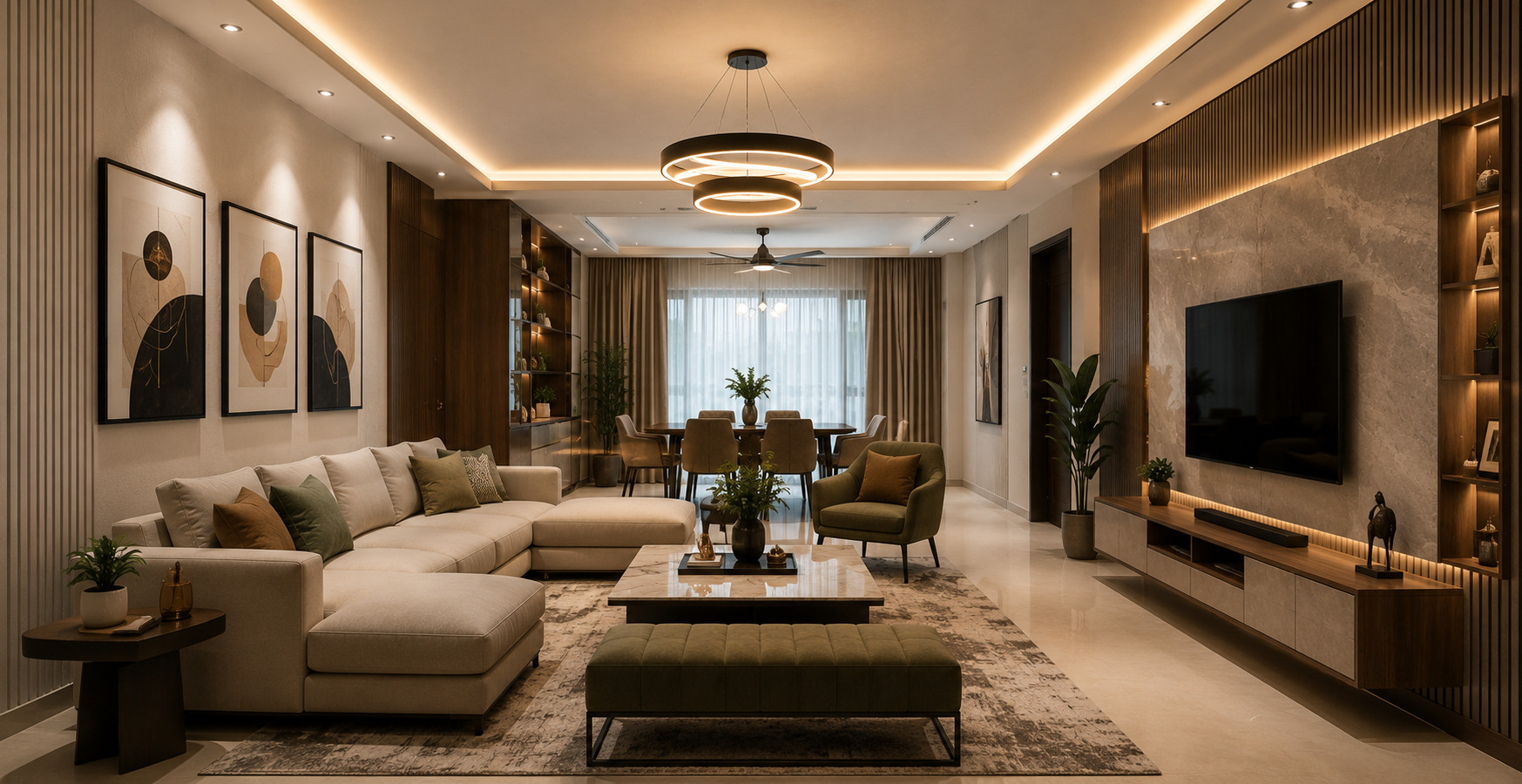
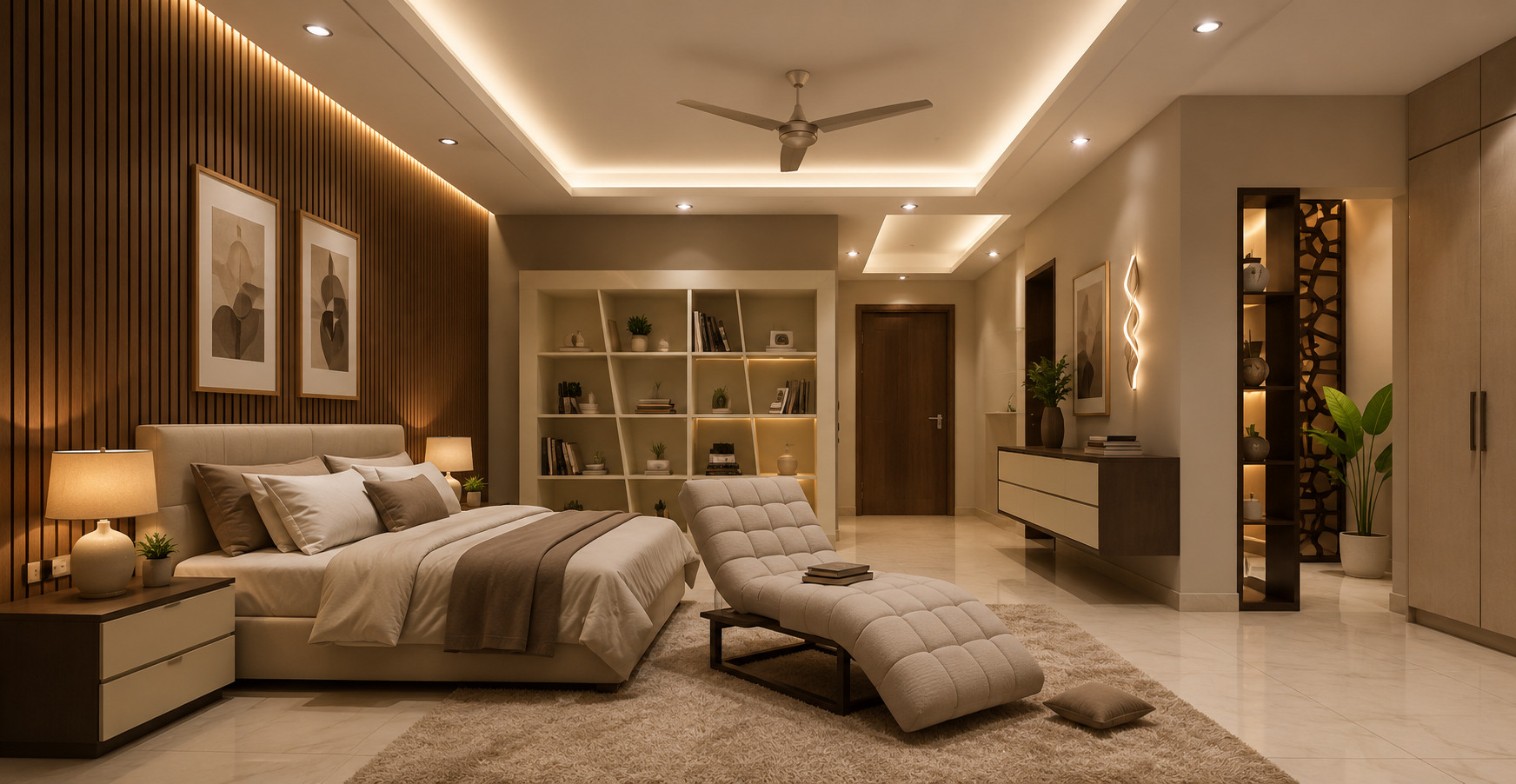
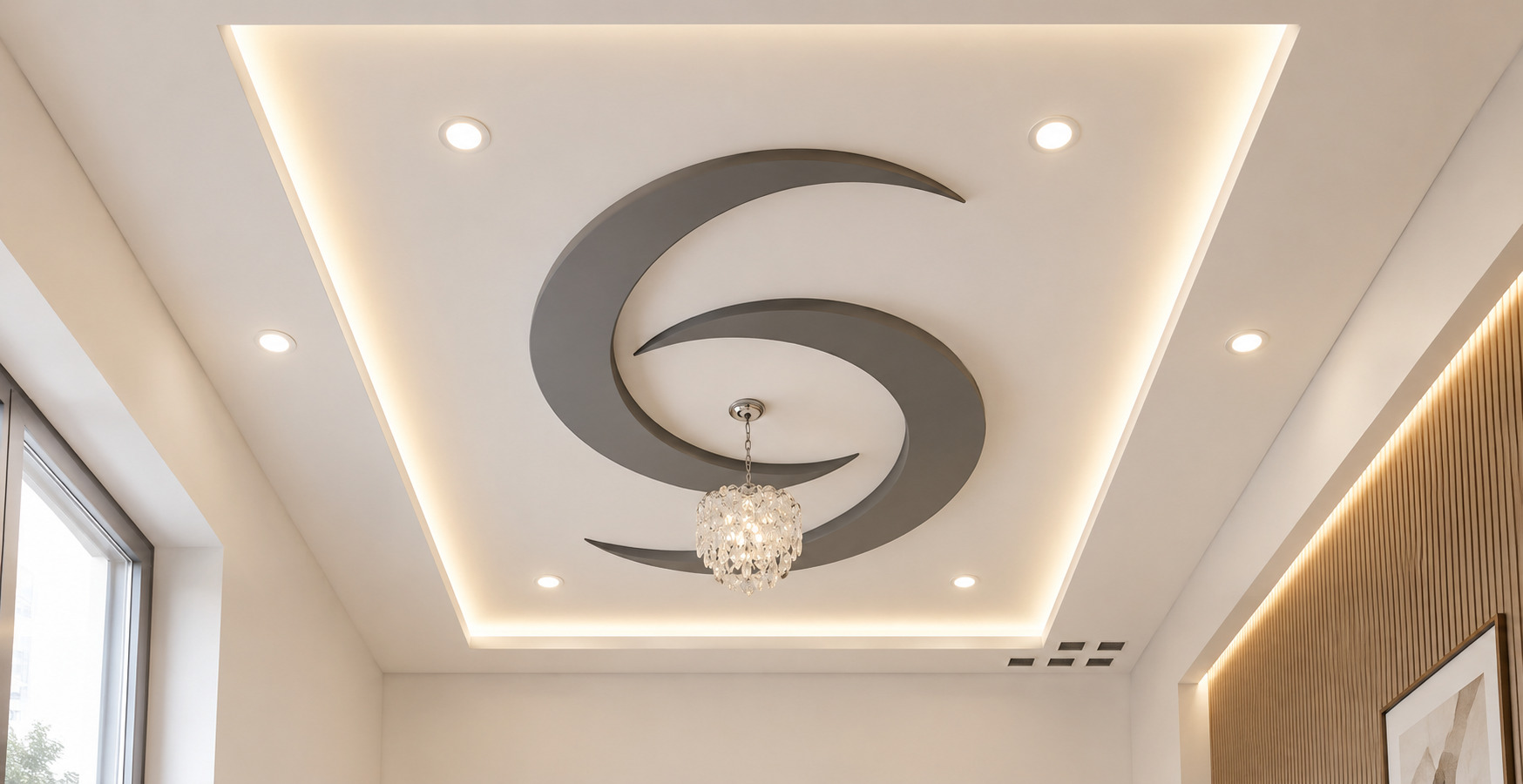
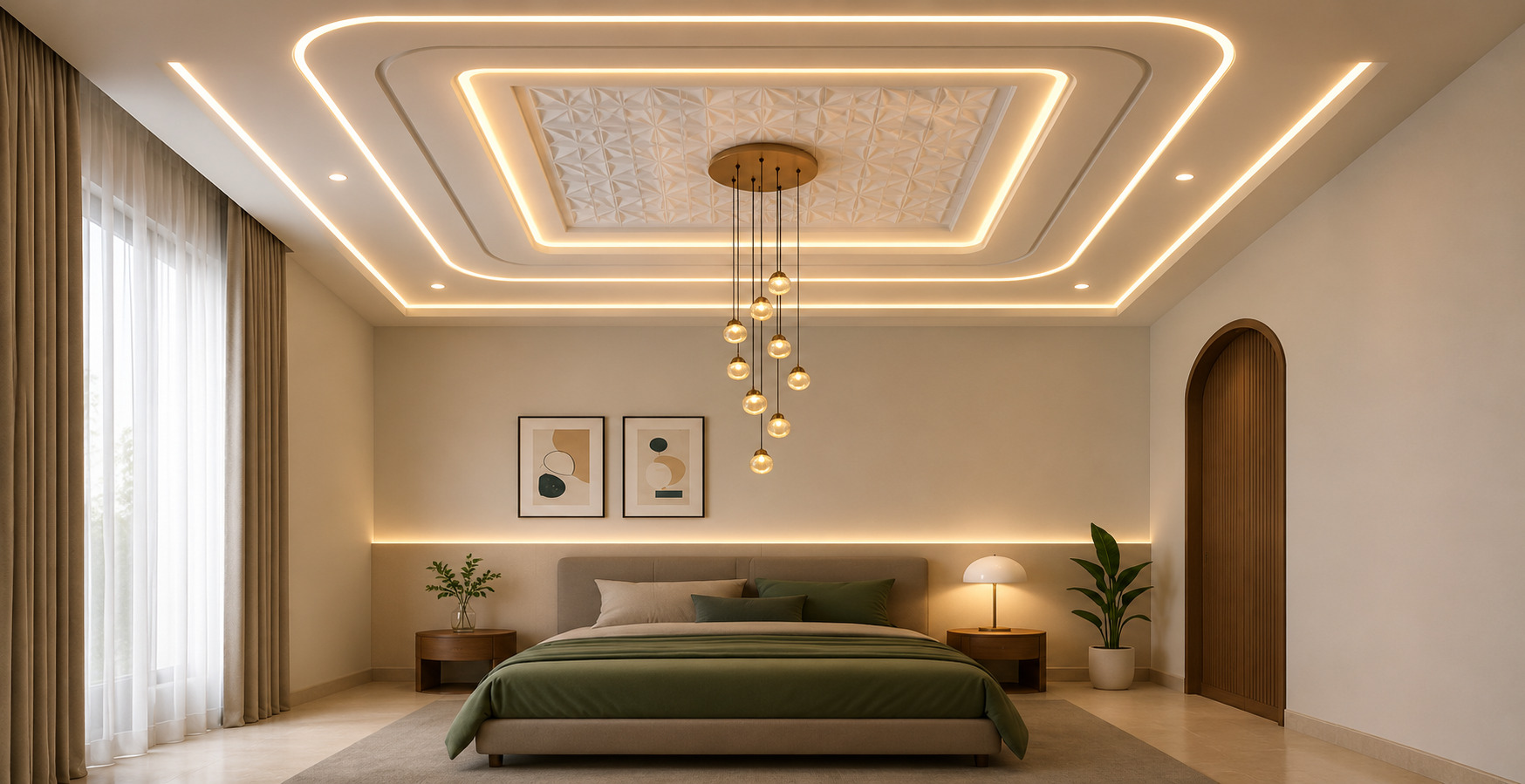
A false ceiling can completely transform a room—but only when it's designed with both beauty and functionality in mind. Many homeowners spend months choosing paint colors, furniture, and lighting, yet overlook the ceiling above them. Unfortunately, even a small mistake in false ceiling planning can lead to poor lighting, higher maintenance costs, reduced room height, and expensive renovations. A false ceiling is more than a decorative feature. It hides electrical wiring, improves lighting, enhances acoustics, and gives a room a polished appearance. However, its success depends on thoughtful planning rather than attractive designs alone. A ceiling that looks stunning in a catalog may not work well in your living room, bedroom, or kitchen if the room dimensions, ventilation, and lighting haven't been considered properly. If you're planning a new home or renovating an existing one, understanding the most common false ceiling mistakes can save you thousands of rupees and years of frustration. This guide explores the errors homeowners often make—and, more importantly, how to avoid them. This featured image is a part Interior design images
Plan Your Interior Budget
Wondering what your False Ceiling interior will cost? Get an instant estimate with our free Interior Cost Calculator — no sign-up needed.
Treating Every Room the Same
One of the biggest misconceptions about false ceilings is that one design fits every room. In reality, each space has different functional requirements.
A living room often benefits from layered lighting and statement ceiling designs because it's used for entertaining guests and family gatherings. A bedroom, on the other hand, feels more comfortable with softer lighting and a simpler ceiling pattern that creates a relaxing atmosphere. Kitchens and bathrooms require moisture-resistant materials and practical designs that allow easy maintenance.
Choosing the same elaborate ceiling throughout the house may create visual consistency, but it often compromises comfort and functionality. Designing according to the purpose of each room always produces better results.
Ignoring Ceiling Height
False ceilings naturally reduce the height of a room because they are installed below the original slab. While this reduction is necessary for wiring, lighting, and ductwork, lowering the ceiling too much can make the room feel cramped.
Many homeowners copy luxurious ceiling designs from villas or showrooms without considering whether their own home has enough height to accommodate them. In apartments with limited ceiling height, heavy layered designs often create a boxed-in feeling instead of adding elegance.
The best false ceiling is one that complements the proportions of the room rather than overpowering it. Sometimes a clean, minimal design creates a much larger visual impact than an elaborate pattern.
Choosing Design Over Functionality
It's easy to fall in love with dramatic ceiling designs seen on social media. Hidden lighting, geometric patterns, floating panels, and intricate details certainly look impressive in photographs.
However, a ceiling should first serve the needs of the people living beneath it.
Poorly positioned lighting can create dark corners. Decorative beams may interfere with ceiling fans. Overly complex designs collect dust and become difficult to clean. A beautiful ceiling loses its charm quickly if it becomes inconvenient to maintain.
The most successful designs balance aesthetics with everyday usability.
Using the Wrong Lighting Plan
Lighting and false ceilings work together. Planning one without the other almost always leads to disappointment.
Many homeowners install recessed lights randomly, believing more lights automatically create a brighter room. Instead, excessive lighting often causes glare, uneven illumination, and unnecessary electricity consumption.
Effective ceiling lighting combines ambient lighting for general brightness, task lighting where activities take place, and accent lighting that highlights architectural details. Planning these layers before construction produces a far more comfortable and visually appealing interior.
Before You Finalize Your Ceiling Design...
Ask yourself one simple question:
"Will this design still look practical and timeless five years from now?"
Interior trends change quickly, but thoughtful planning never goes out of style. A simple, well-proportioned ceiling often ages far better than an elaborate design chosen purely because it's fashionable today.
Forgetting Future Maintenance
Every home eventually requires electrical repairs, repainting, or servicing of concealed wiring.
A common mistake is designing a false ceiling without considering future access. If electricians need to dismantle large sections of the ceiling to repair a cable or install additional lighting, maintenance becomes both expensive and inconvenient.
Providing access panels wherever necessary ensures that future repairs remain simple without damaging the surrounding structure.
Choosing the Wrong Material
Not every false ceiling material performs equally well in every environment.
Gypsum ceilings provide smooth finishes and elegant designs for living rooms and bedrooms. Areas exposed to high moisture, however, may require alternative materials with better resistance to humidity.
Selecting materials without considering local climate, ventilation, or room usage often results in cracks, stains, sagging panels, or reduced durability over time.
Investing in suitable materials from the beginning helps avoid repeated repairs later.
Overlooking Ventilation
A false ceiling should never block proper airflow within a room.
Homes equipped with air conditioning require careful planning to ensure that cooling circulates efficiently. Similarly, concealed ductwork and electrical installations should allow adequate ventilation to prevent heat buildup.
Ignoring ventilation may reduce cooling efficiency, increase electricity bills, and create unnecessary stress on electrical systems.
Good design always considers what happens behind the ceiling—not just what appears on the surface.
Making the Ceiling Too Busy
More design doesn't always mean better design.
Multiple levels, excessive LED strips, decorative moldings, and intricate geometric patterns can overwhelm a room rather than enhance it. Instead of becoming an elegant feature, the ceiling competes with furniture, wall décor, and flooring for attention.
Modern interior design increasingly favors clean lines, balanced proportions, and subtle lighting because these elements create timeless spaces that remain visually comfortable for years.
Sometimes simplicity is the most luxurious choice.
Forgetting Electrical Planning
Electrical planning should always happen before ceiling installation begins.
Adding new lights, speakers, security cameras, or smart home devices after the ceiling has been completed often requires cutting into finished surfaces.
Planning all electrical points in advance saves both money and unnecessary damage during future upgrades.
Copying Designs Without Considering Your Space
Many homeowners choose false ceiling designs simply because they look beautiful in photographs.
Unfortunately, every room differs in size, height, lighting conditions, and furniture placement. A design that enhances a large luxury villa may feel overwhelming inside a compact apartment.
Rather than copying another home exactly, adapt the design to suit your own space. Personalized planning always delivers better results than imitation.
As Shakespeare Wisely Said...
"Wisely and slow; they stumble that run fast."
— William Shakespeare
This timeless advice perfectly applies to interior design. Rushing into a false ceiling project without careful planning often leads to costly mistakes. Taking extra time to evaluate layouts, lighting, materials, and maintenance requirements can prevent expensive corrections later.
Working with Inexperienced Installers
Even the finest materials cannot compensate for poor workmanship.
Incorrect framing, uneven gypsum joints, improper screw spacing, and inadequate finishing frequently lead to cracks, sagging panels, or visible imperfections within a short period.
Choosing experienced professionals who follow proper installation practices is just as important as selecting quality materials.
Remember that craftsmanship determines whether your ceiling remains beautiful for years or begins showing defects within months.
Planning Your Ceiling the Smart Way
A successful false ceiling begins with understanding your home's needs rather than chasing trends. Consider the room's height, natural light, ventilation, furniture placement, electrical requirements, and long-term maintenance before selecting a design.
Discuss your ideas with both your interior designer and electrician early in the project so lighting, wiring, and structural planning work together seamlessly. Small decisions made during the planning stage often prevent major expenses after construction is complete.
Final Thoughts
A false ceiling can dramatically improve the appearance and functionality of your home, but only when it's designed with careful planning and practical thinking. Avoiding common mistakes such as lowering the ceiling excessively, ignoring ventilation, choosing unsuitable materials, or overlooking maintenance access can save both money and frustration in the future.
Instead of selecting a ceiling purely because it looks attractive online, focus on creating a design that complements your home's proportions, supports comfortable lighting, and remains easy to maintain. The best interiors are those where beauty and functionality exist together. A thoughtfully designed false ceiling doesn't just enhance your home's appearance—it creates a space that's comfortable, efficient, and enjoyable every day.
Frequently Asked Questions (FAQs)
1. What is the most common false ceiling design mistake?
One of the most common mistakes is choosing a false ceiling design without considering the room's height. In spaces with low ceilings, bulky or multi-layered designs can make the room feel smaller and less comfortable. A simple, well-proportioned design is often a better choice.
2. Does a false ceiling reduce the height of a room?
Yes, a false ceiling typically reduces the room height by 4 to 8 inches, depending on the design and the space needed for lighting, wiring, or HVAC ducts. Proper planning ensures that the room still feels spacious and well-balanced.
3. Which material is best for a false ceiling?
Gypsum is one of the most popular materials for false ceilings because it provides a smooth finish, is lightweight, and allows for versatile designs. In areas with high moisture, such as bathrooms or kitchens, moisture-resistant materials should be used to improve durability.
4. How can I avoid expensive false ceiling repairs?
Careful planning is the key to avoiding costly repairs. Choose quality materials, hire experienced installers, plan electrical and lighting points before installation, and include access panels for future maintenance. Regular inspections can also help identify small issues before they become major problems.
5. Is a simple false ceiling better than a complex design?
In many cases, yes. A simple false ceiling is easier to maintain, suits most interior styles, and remains timeless even as design trends change. It also improves lighting distribution and creates a clean, elegant look without overwhelming the room.