GTPT Unit in Modular Kitchen: Complete Guide with Standard Dimensions & Design Ideas
Lexangrit Editorial Team
July 22, 2026
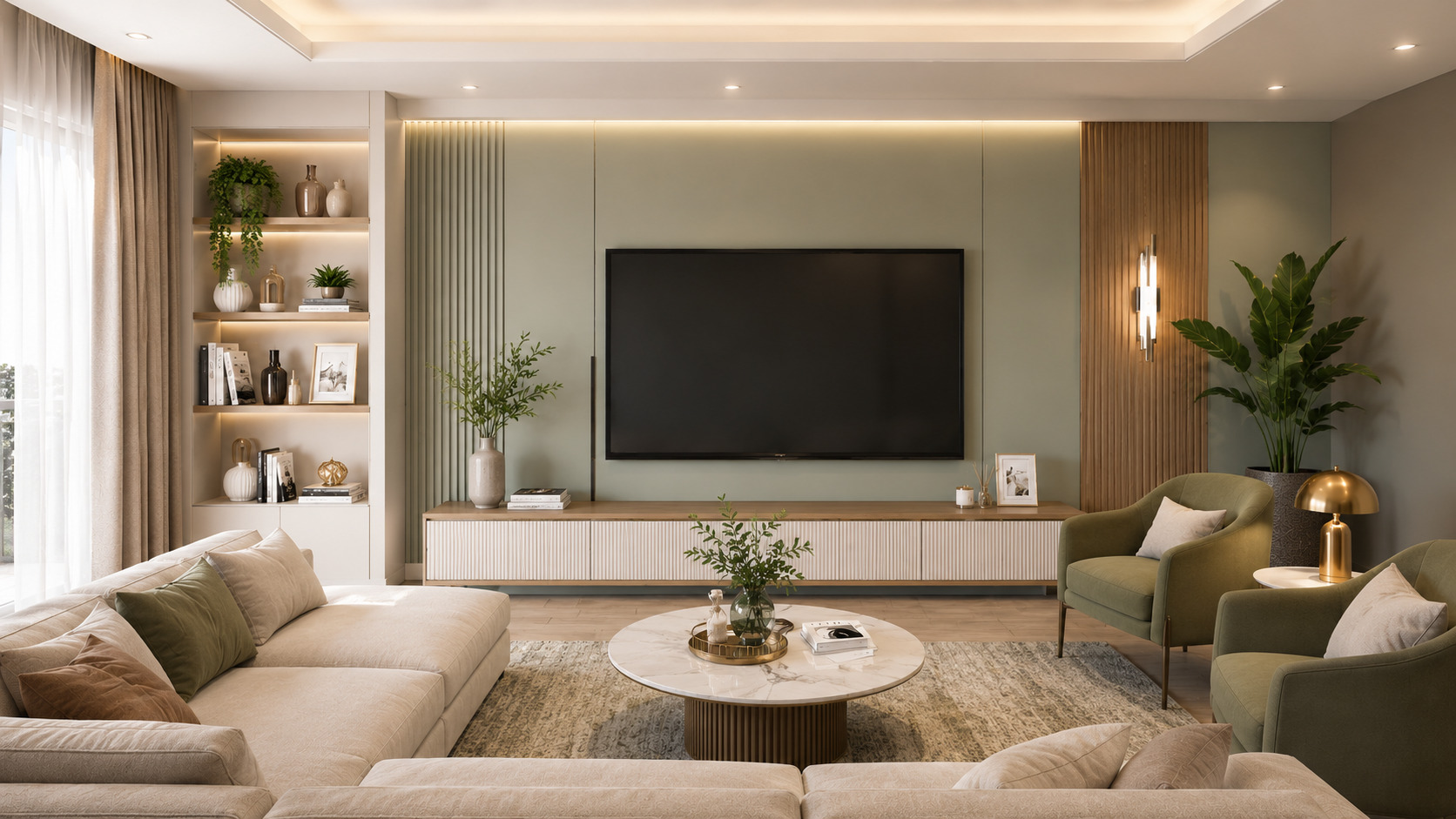
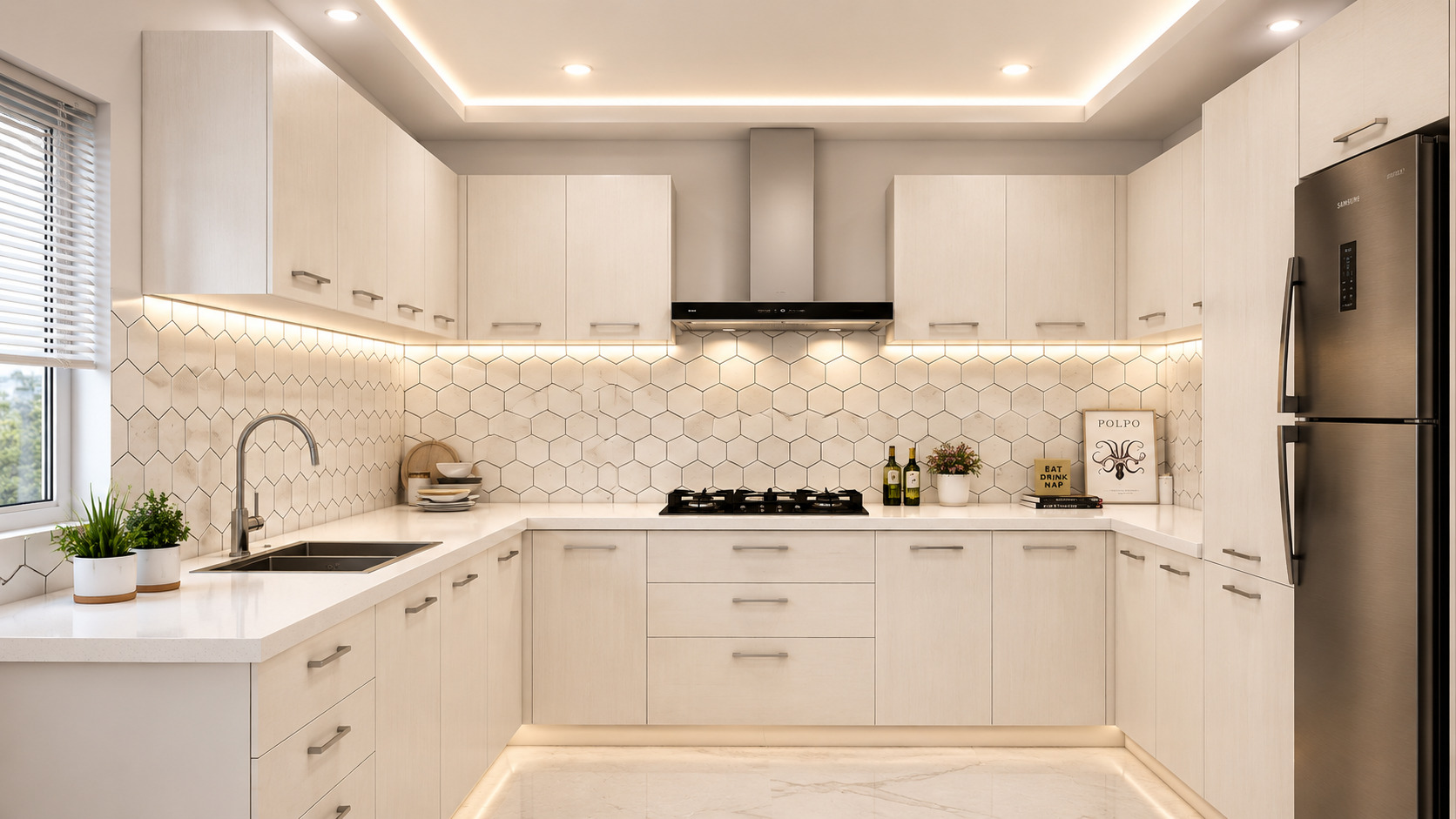
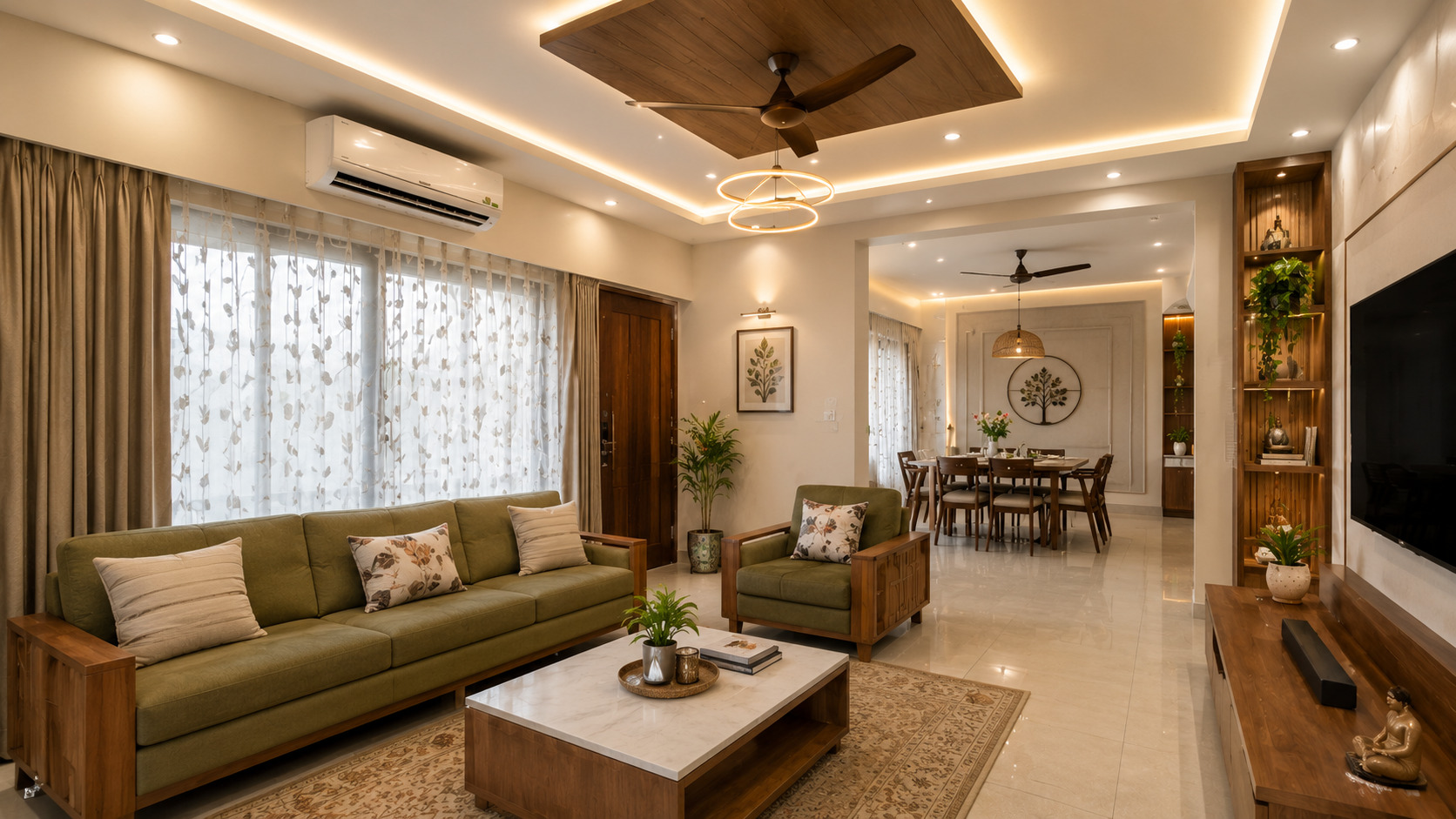
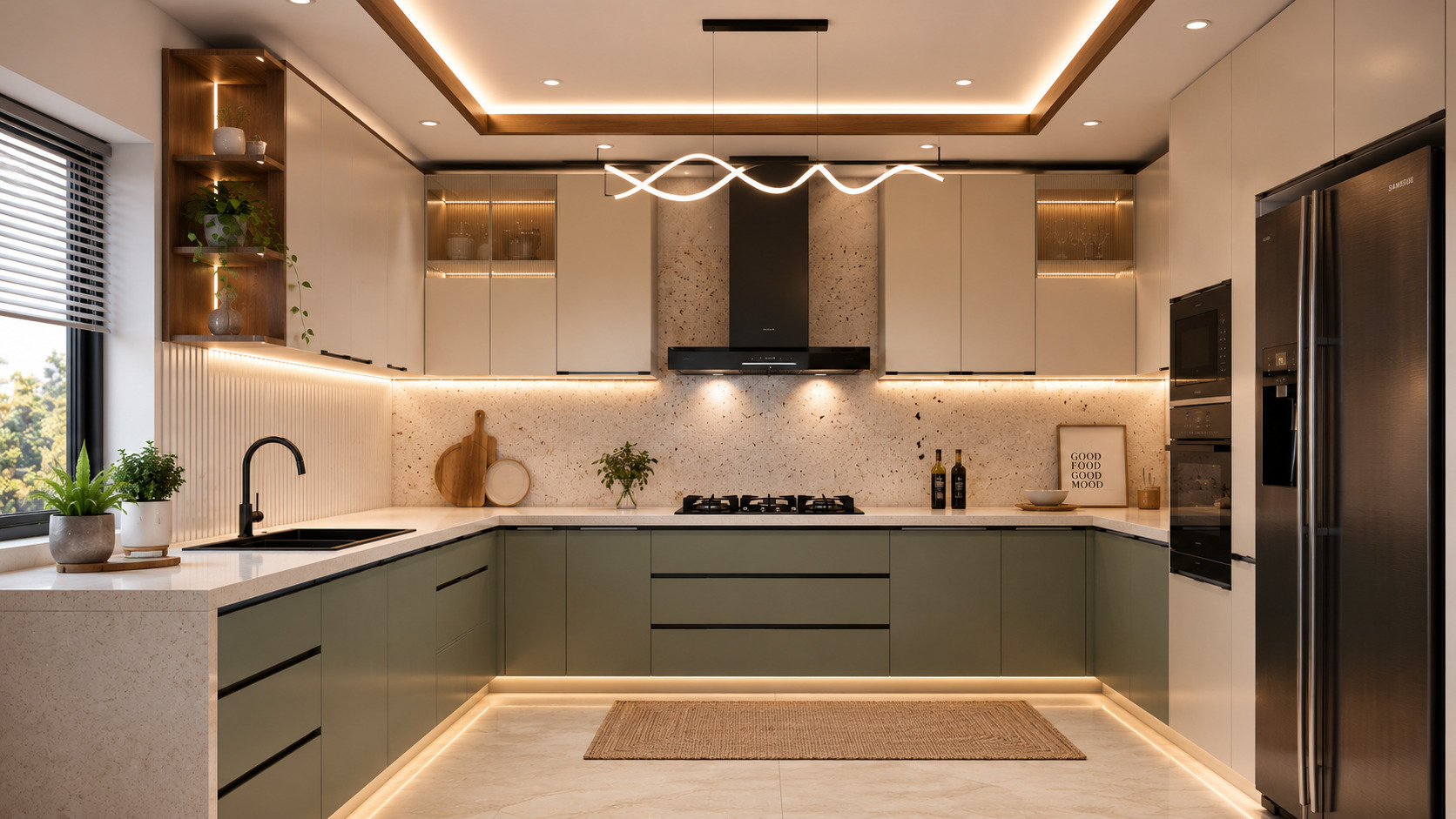
"The smallest details often make the biggest difference." That couldn't be truer when designing a modular kitchen. While homeowners spend hours choosing cabinet finishes, countertops, and backsplashes, many overlook one of the most functional storage elements—the GTPT unit. Though it occupies only a small section of your kitchen, a well-designed GTPT unit can significantly improve organization, hygiene, and everyday convenience. Whether you're planning a new modular kitchen or upgrading an existing one, understanding the right dimensions, placement, ventilation, and design options can save you from expensive modifications later. This guide covers everything you need to know about GTPT units, helping you create a kitchen that's as practical as it is stylish. This featured image is a part Interior design images
Plan Your Interior Budget
Wondering what your Modular Kitchen interior will cost? Get an instant estimate with our free Interior Cost Calculator — no sign-up needed.
What Is a GTPT Unit in a Modular Kitchen?
A GTPT unit is a dedicated storage section in a modular kitchen designed to organize frequently used kitchen essentials. Depending on the kitchen layout and manufacturer, it typically accommodates dish racks, trays, plates, bowls, utensils, and other daily-use items, making them easily accessible while keeping countertops clutter-free.
Modern GTPT units are usually integrated into wall cabinets or base cabinets and often feature stainless steel pull-out baskets, dish drainers, adjustable shelves, or soft-close mechanisms.
Instead of stacking dishes inside closed cabinets, a GTPT unit allows for systematic storage, better accessibility, and faster drying when paired with proper ventilation.
Why Every Modern Kitchen Should Have a GTPT Unit
A modular kitchen is designed around efficiency. Every cabinet should have a purpose, and the GTPT unit serves several.
Benefits include:
- Organized storage for daily-use utensils
- Better accessibility during cooking
- Cleaner countertops
- Improved kitchen hygiene
- Faster drying of washed dishes
- Efficient use of vertical cabinet space
- Reduced clutter
Think of it as the bridge between your sink and your storage cabinets—keeping everything exactly where you need it.
Choosing the Right Location
Placement is just as important as size.
The ideal GTPT unit should be positioned:
- Close to the sink
- Near the dishwasher (if available)
- Away from cooking heat
- Easily accessible without blocking movement
Most designers install it directly above the sink or beside the washing area to make unloading dishes quick and convenient.
Ventilation Matters More Than You Think
Many people focus only on aesthetics, forgetting that moisture is the biggest enemy of kitchen cabinets.
Without proper airflow, trapped humidity can cause:
- Mold growth
- Bad odors
- Rust on accessories
- Swollen cabinet panels
- Reduced cabinet lifespan
To improve ventilation:
- Leave adequate air gaps where possible.
- Use stainless steel dish racks that allow airflow.
- Dry dishes before storing whenever practical.
- Choose moisture-resistant cabinet materials.
- Ensure your kitchen has good exhaust ventilation.
A little ventilation today can prevent costly repairs tomorrow.
Electrical Points to Plan in Advance
Modern kitchens depend on smart planning—not last-minute wiring.
If your GTPT unit is near appliances, consider electrical points for:
- Under-cabinet LED lighting
- Motion sensor lights
- Chimney
- Dishwasher
- Water purifier
- Small kitchen appliances
Plan wiring before cabinetry is installed to avoid cutting finished panels later.
Don't Design Around Cabinets—Design Around Your Routine
Imagine preparing breakfast without searching for plates, glasses, or bowls. A thoughtfully planned GTPT unit keeps everything within reach, reducing unnecessary movement and making your kitchen feel effortless to use. Good kitchen design isn't about adding more cabinets—it's about making every cabinet work smarter.
Popular GTPT Unit Designs
1. Stainless Steel Dish Rack
The most popular choice for modular kitchens.
Features:
- Rust resistant
- Durable
- Easy to clean
- Long-lasting
- Hygienic
Perfect for everyday family use.
2. Pull-Out Basket Unit
Ideal for compact kitchens.
Benefits include:
- Easy access
- Maximum storage
- Soft-close operation
- Space efficiency
3. Wall-Mounted Plate Rack
Suitable for smaller kitchens where base storage is limited.
Advantages:
- Saves counter space
- Faster drying
- Easy organization
4. Multi-Tier Storage Unit
Perfect for larger households.
Separate sections for:
- Plates
- Cups
- Bowls
- Serving dishes
- Trays
Everything stays organized without stacking.
Best Materials for GTPT Units
Choosing quality materials ensures durability and easier maintenance.
Stainless Steel
The most preferred option because it is:
- Rust-resistant
- Strong
- Hygienic
- Easy to maintain
Powder-Coated Metal
Offers a modern appearance while resisting scratches and corrosion.
Toughened Glass with Steel Frames
Ideal for premium modular kitchens looking for a sleek, contemporary finish.
Common Mistakes to Avoid
Even expensive kitchens can become inconvenient if basic planning is ignored.
Avoid these mistakes:
- Choosing the wrong cabinet size
- Ignoring ventilation
- Using low-quality accessories
- Placing the unit far from the sink
- Forgetting electrical planning
- Overloading shelves beyond their capacity
- Ignoring maintenance accessibility
- Small oversights can lead to major inconveniences later.
As Shakespeare Once Said...
"Wisely and slow; they stumble that run fast."
The same principle applies to modular kitchen planning. Rushing into cabinet designs without considering dimensions, ventilation, and functionality often results in expensive modifications. Taking the time to plan every detail ensures a kitchen that remains practical and beautiful for years.
Expert Tips for Planning a GTPT Unit
- Measure your cabinets before ordering accessories.
- Use soft-close fittings for longer durability.
- Choose rust-resistant stainless steel racks.
- Keep the unit close to the sink.
- Plan lighting and electrical points beforehand.
- Ensure adequate airflow to reduce moisture buildup.
- Leave enough clearance for cabinet doors to open comfortably.
- Match the finish with the rest of your modular kitchen.
Maintenance Tips
Keeping your GTPT unit in good condition requires only a few simple habits.
- Wipe racks regularly to prevent water stains.
- Clean corners where dust accumulates.
- Avoid storing dripping-wet utensils for extended periods.
- Inspect hinges and runners every few months.
- Tighten loose screws when necessary.
- Use mild cleaners instead of harsh chemicals.
Regular maintenance keeps the unit looking new while extending its lifespan.
Final Thoughts
A GTPT unit may seem like a small component in a modular kitchen, but its impact on daily functionality is significant. By choosing the right dimensions, durable materials, proper placement, and adequate ventilation, you can create a kitchen that is organized, hygienic, and built for everyday convenience.
Whether you're designing a compact apartment kitchen or a spacious family cooking area, planning your GTPT unit with care ensures every inch of storage works efficiently. After all, the best modular kitchens aren't just beautiful—they make everyday cooking smoother, faster, and far more enjoyable.
Frequently Asked Questions
What is a GTPT unit used for?
A GTPT unit is designed to organize everyday kitchen essentials such as plates, bowls, trays, and utensils, improving accessibility and reducing countertop clutter.
What is the standard width of a GTPT unit?
Common widths include 450 mm, 600 mm, and 900 mm, depending on cabinet design and storage requirements.
Which material is best for a GTPT unit?
Stainless steel is the preferred choice because it is durable, rust-resistant, hygienic, and easy to maintain.
Where should a GTPT unit be placed?
Ideally, it should be installed near the sink or washing area for convenient access and efficient workflow.
Is ventilation important for a GTPT unit?
Yes. Proper ventilation helps prevent moisture buildup, mold growth, unpleasant odors, and damage to cabinets and accessories.