The Ultimate Interior Design Checklist for Your Dream Home
Lexangrit Editorial Team
July 20, 2026
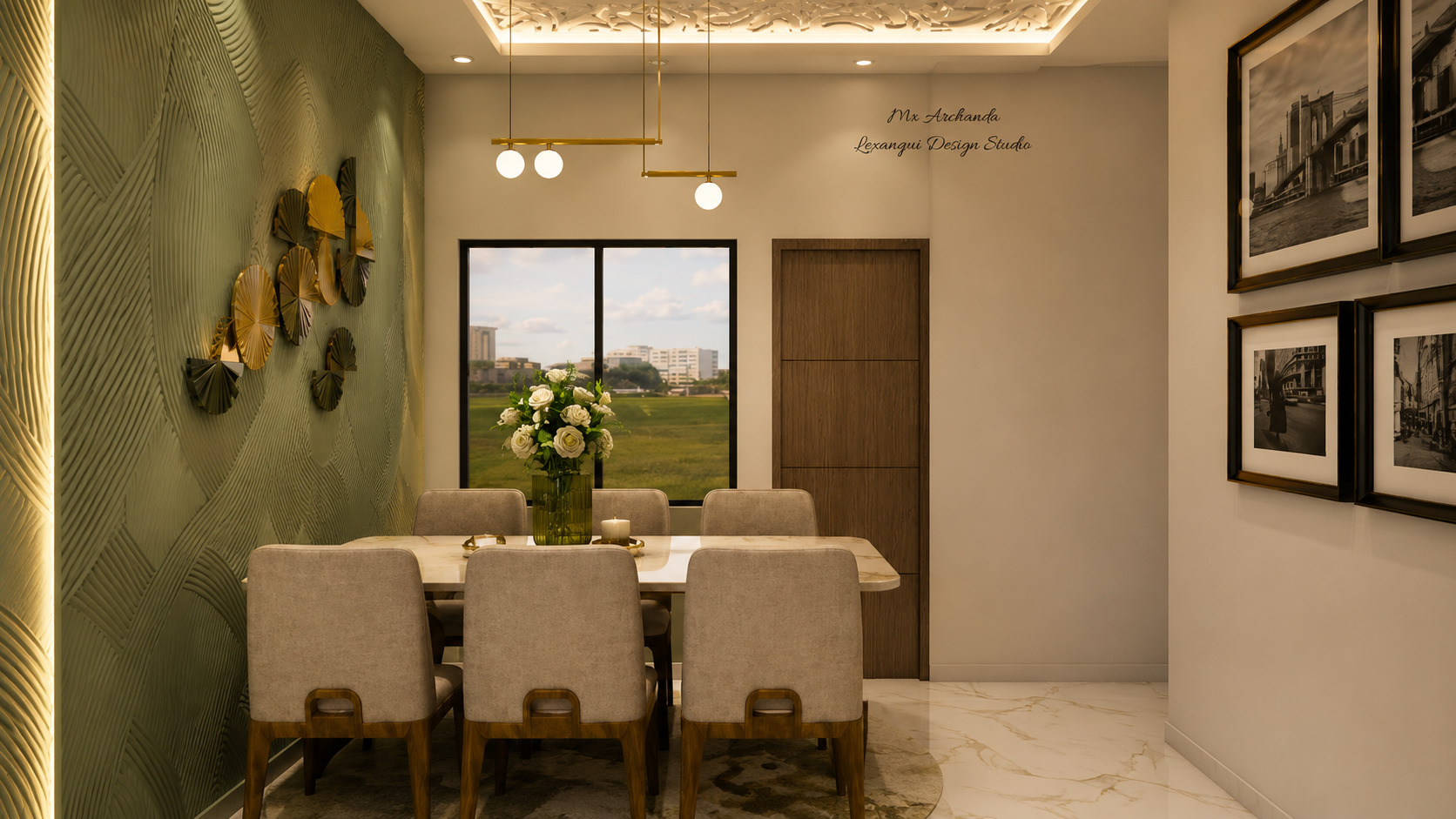
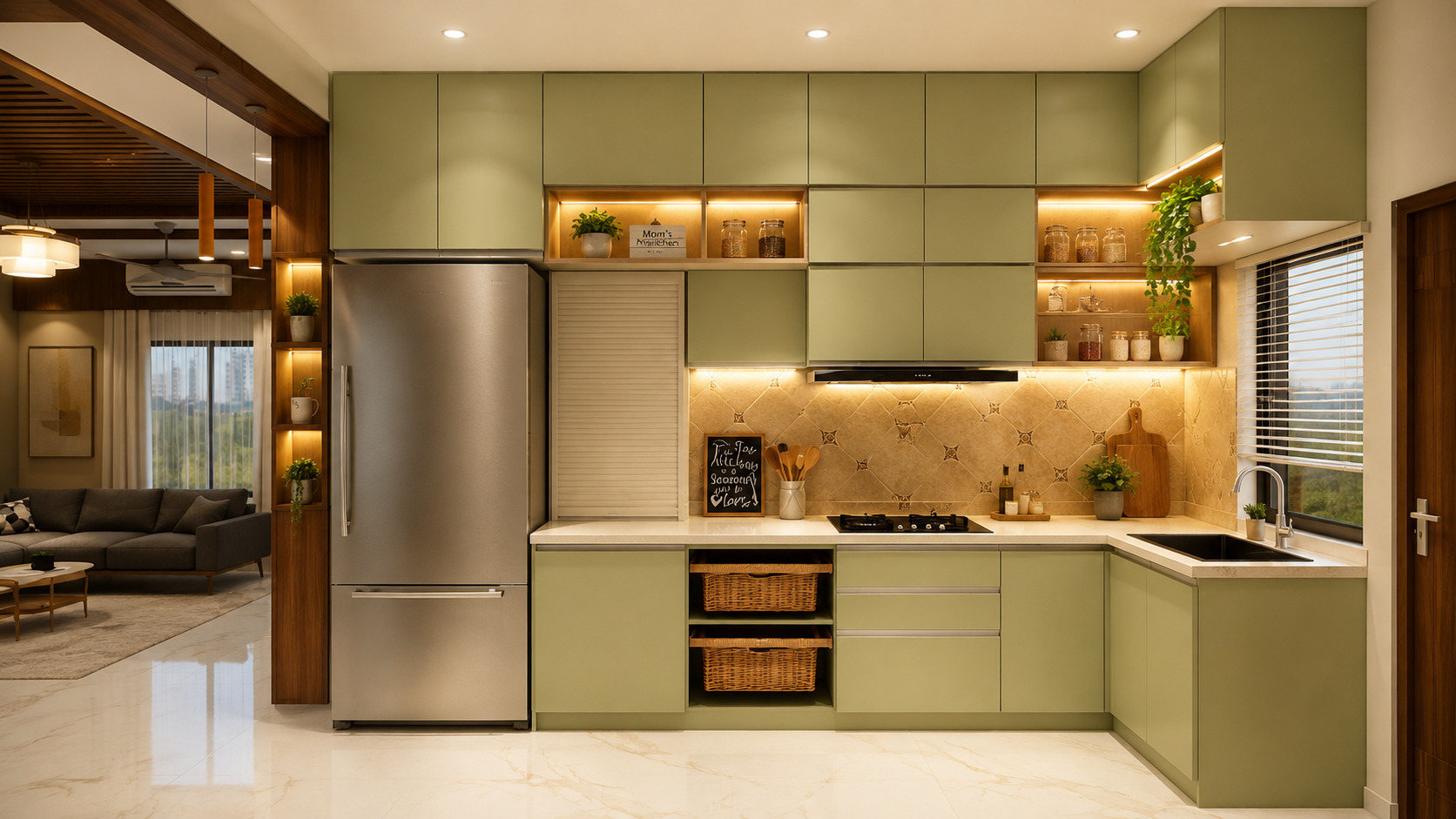
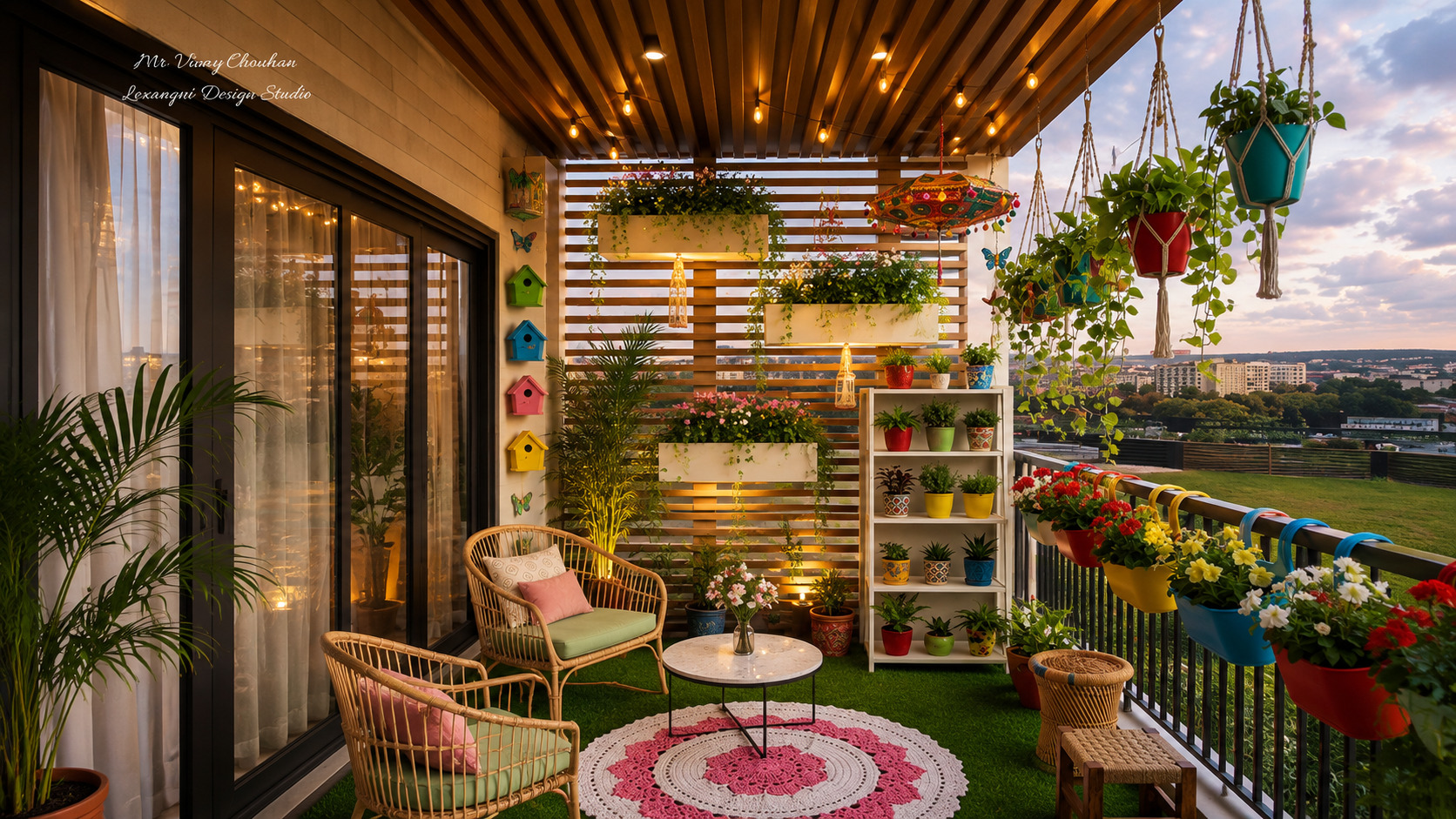
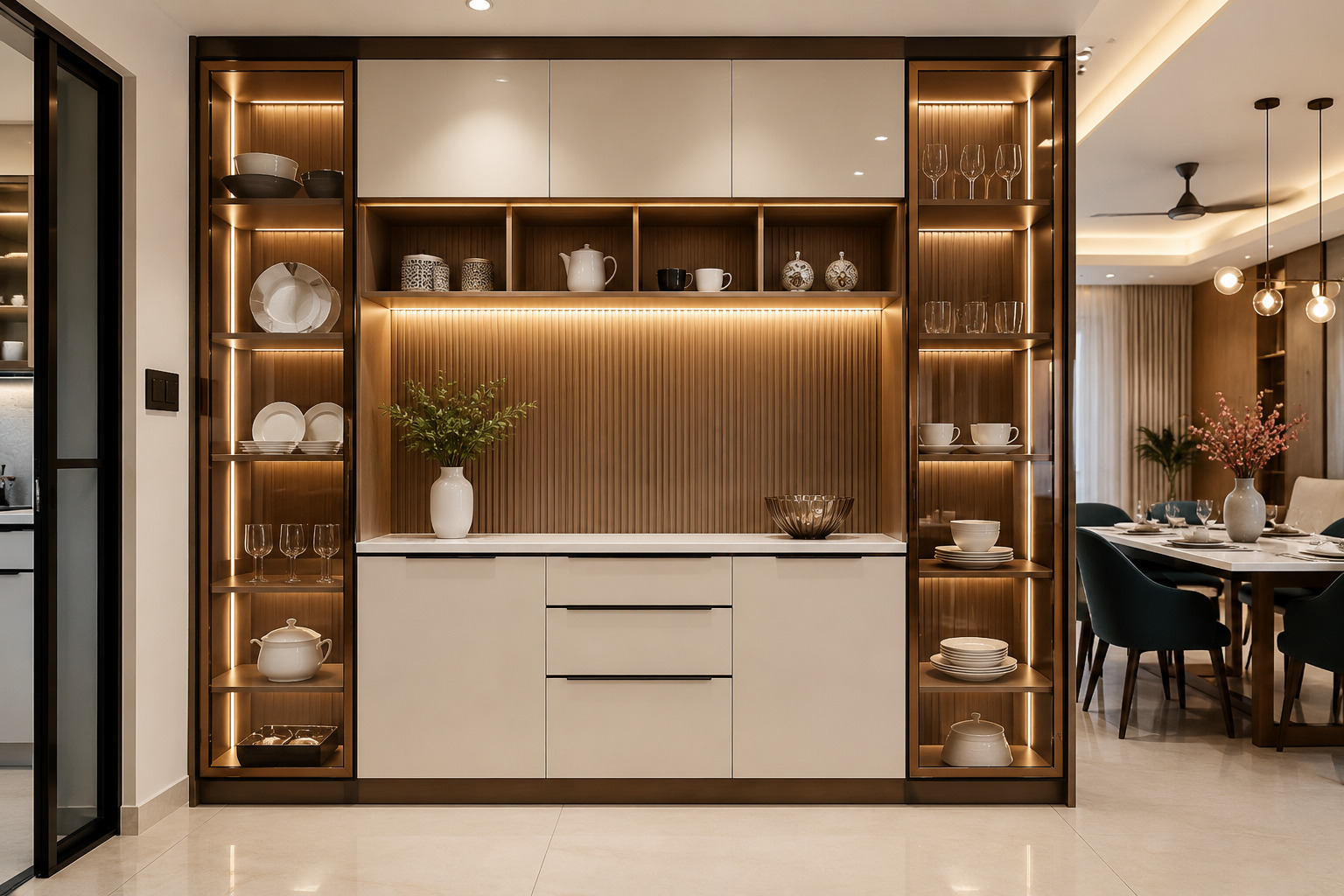
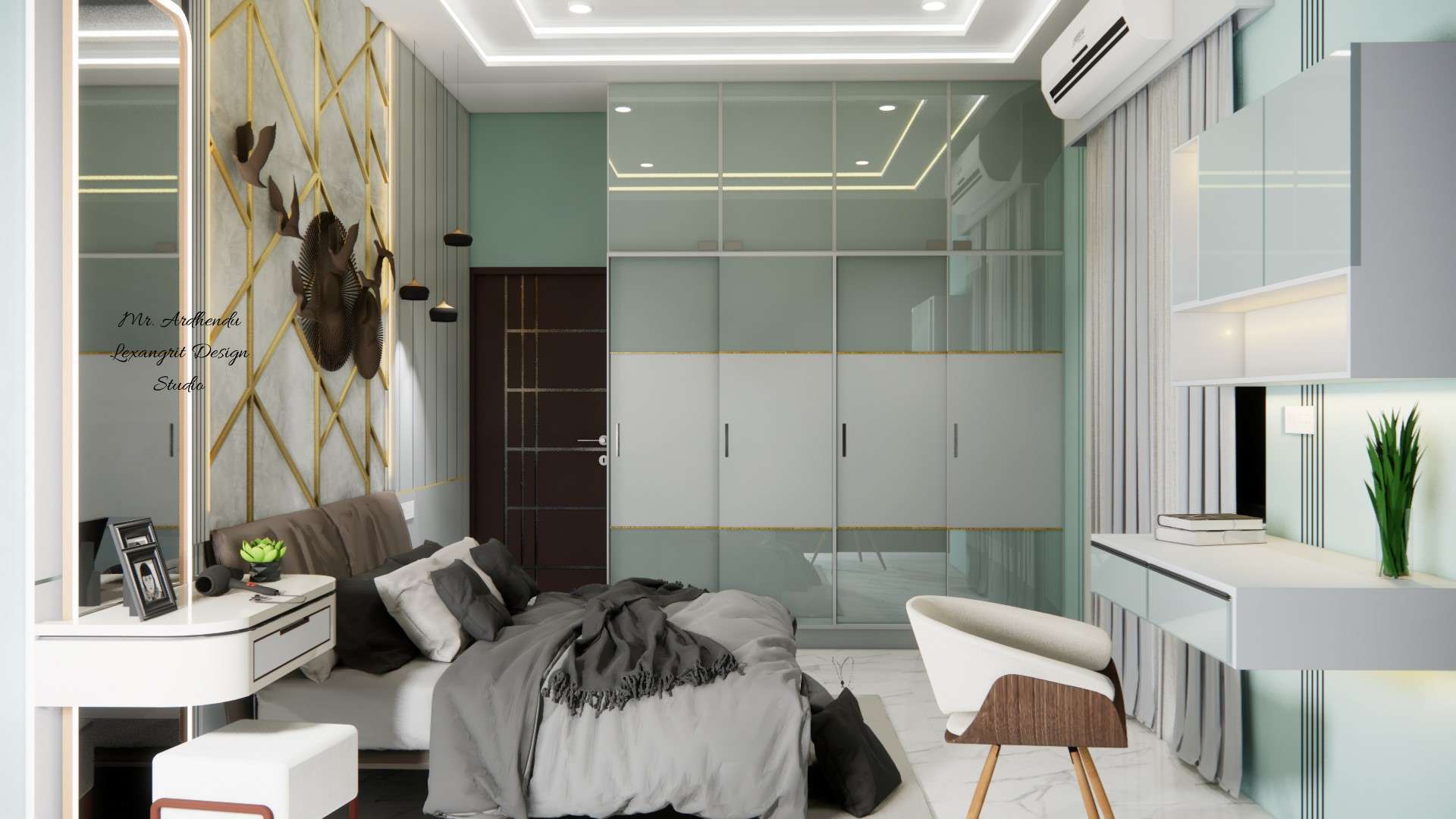
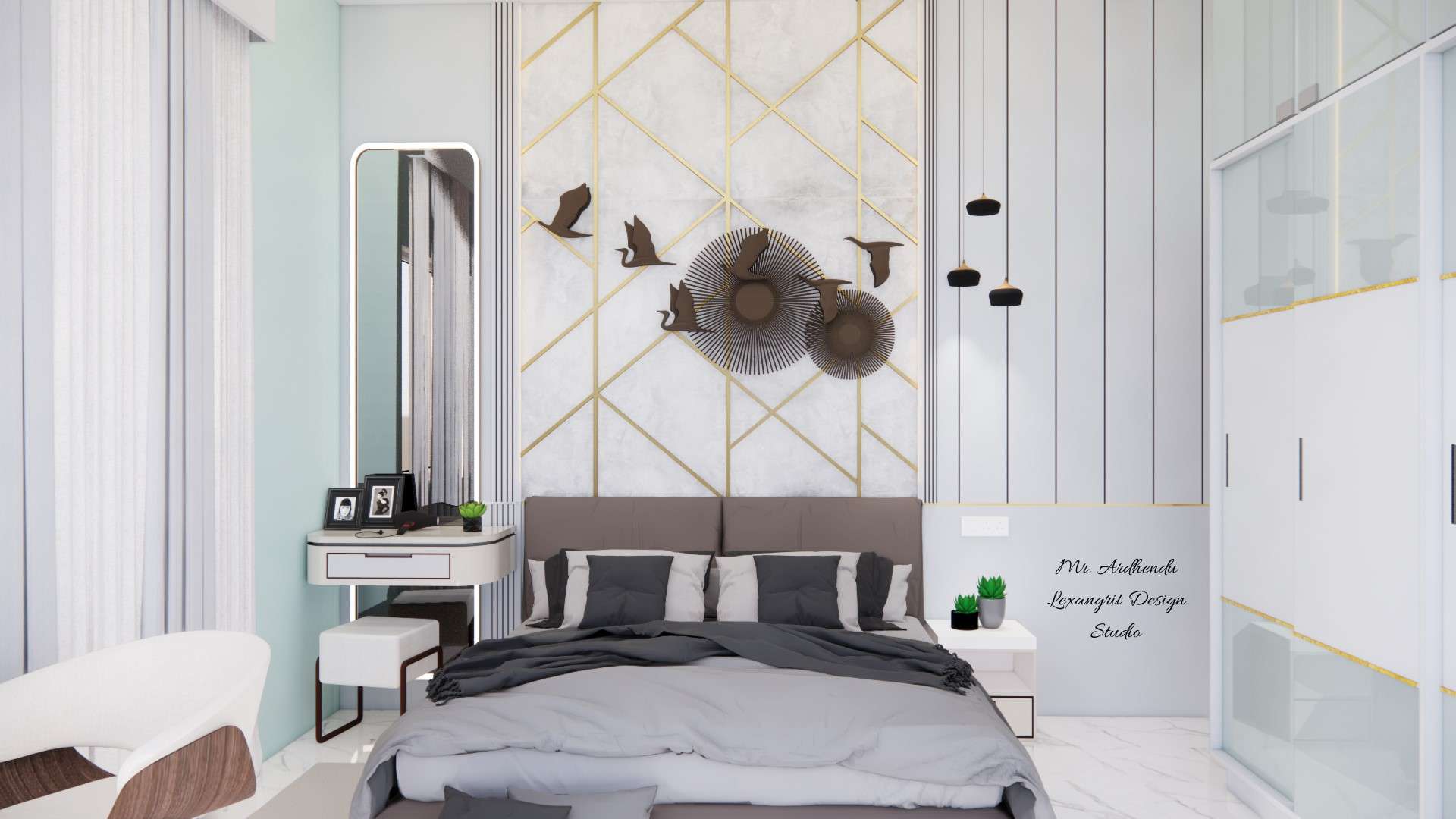
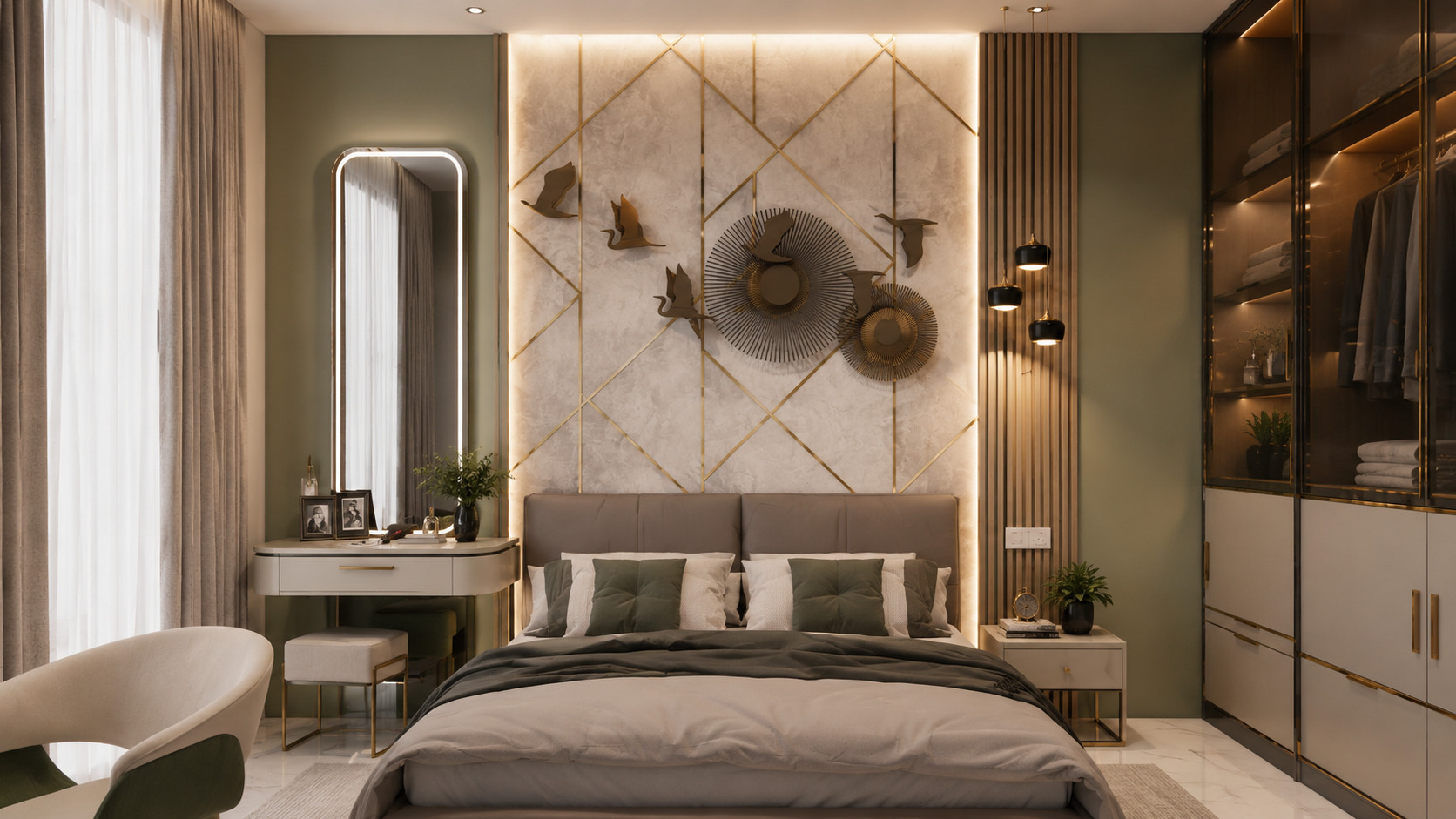
Designing your dream home starts with careful planning and the right design choices. This ultimate interior design checklist covers everything from space planning, furniture selection, color palettes, lighting, and storage solutions to décor and finishing touches This featured image is a part Interior design images
Plan Your Interior Budget
Wondering what your Interior Design interior will cost? Get an instant estimate with our free Interior Cost Calculator — no sign-up needed.
Designing your dream home is an exciting journey, but with countless choices to make, it's easy to feel overwhelmed. From selecting the perfect layout to choosing furniture, lighting, and décor, every decision plays a role in shaping a home that reflects your personality and lifestyle.
The good news? A well-planned interior design checklist can help you stay organized, avoid costly mistakes, and create a home that's both beautiful and functional. Whether you're moving into a new house or renovating your existing space, this step-by-step guide will help you make informed decisions at every stage.
Why Do You Need an Interior Design Checklist?
An interior design checklist acts as your roadmap throughout the design process. It helps you:
- Stay within your budget
- Prioritize essential tasks
- Avoid last-minute design changes
- Coordinate materials and finishes
- Ensure every room is functional and visually appealing
Planning before purchasing furniture or décor saves time, money, and unnecessary stress.
1. Define Your Style
Before shopping for furniture or paint, decide what style best represents your personality.
Popular interior styles include:
- Modern
- Contemporary
- Scandinavian
- Minimalist
- Traditional
- Industrial
- Bohemian
Create a mood board with colors, textures, furniture, and inspiration images to maintain consistency throughout your home.
2. Set a Realistic Budget
Every dream home starts with smart financial planning.
Allocate your budget for:
- Civil work
- Furniture
- Lighting
- Flooring
- Wardrobes
- Kitchen
- Painting
- Décor
- Contingency expenses
Keeping a small emergency fund helps cover unexpected costs during the project.
3. Plan the Layout Carefully
A beautiful home should also be practical.
Ask yourself:
- How will people move through the room?
- Is there enough storage?
- Will natural light reach every corner?
- Is the furniture appropriately sized?
A functional layout makes everyday living much more comfortable.
4. Choose the Right Color Palette
Colors influence the mood of every room.
Popular combinations include:
- White & Wood
- Beige & Olive Green
- Grey & Walnut
- Sage Green & Cream
- Navy Blue & White
- Earthy Brown & Beige
Use neutral shades as your base and add pops of color through accessories.
5. Invest in Quality Furniture
Furniture is one of the biggest investments in interior design.
Choose pieces that are:
- Comfortable
- Durable
- Functional
- Easy to maintain
- Suitable for your room size
For compact homes, consider multi-functional furniture such as storage beds, nesting tables, or extendable dining tables.
6. Prioritize Lighting
Lighting transforms the atmosphere of your home.
Use a combination of:
- Ambient lighting
- Task lighting
- Accent lighting
- Decorative fixtures
Layered lighting creates depth and enhances the beauty of your interiors.
Great Homes Begin with Great Decisions
As the iconic dialogue from 3 Idiots says:
"Aal Izz Well."
When you're designing your dream home, it's easy to get overwhelmed by endless choices—from selecting the perfect color palette to deciding on furniture and lighting. But remember, every beautiful home is built one thoughtful decision at a time. If you plan carefully, set your priorities, and focus on functionality alongside aesthetics, everything gradually falls into place. Just like the dialogue reminds us to stay calm in challenging situations, interior design also becomes much more enjoyable when you trust the process. Your dream home isn't created overnight—it's shaped through smart planning, creative ideas, and choices that reflect your lifestyle and personality.
7. Maximize Storage Solutions
A clutter-free home always looks more spacious and elegant.
Consider adding:
- Floor-to-ceiling wardrobes
- Under-bed storage
- Floating shelves
- Modular cabinets
- Built-in TV units
- Hidden storage benches
Smart storage keeps every room organized without compromising aesthetics.
8. Select Flooring That Matches Your Lifestyle
Flooring should complement both your design style and daily routine.
Popular options include:
- Vitrified tiles
- Wooden flooring
- Marble
- Granite
- Vinyl flooring
- Engineered wood
Choose durable, low-maintenance materials for high-traffic areas.
9. Design Every Room with Purpose
Each room has different functional requirements.
Living Room
- Comfortable seating
- Entertainment unit
- Soft lighting
- Decorative accents
Bedroom
- Cozy bed
- Spacious wardrobe
- Bedside lighting
- Calm color palette
Kitchen
- Efficient work triangle
- Plenty of storage
- Durable countertops
- Good ventilation
Dining Area
- Functional dining table
- Comfortable chairs
- Statement lighting
- Easy movement around the table
10. Add Personal Touches
Your house becomes a home through personal details.
Include:
- Family photographs
- Artwork
- Indoor plants
- Travel souvenirs
- Handmade décor
- Decorative mirrors
These elements bring warmth and individuality to your interiors.
11. Focus on Soft Furnishings
Soft furnishings complete the overall look.
Don't forget:
- Curtains
- Cushions
- Rugs
- Throws
- Bedding
- Upholstery
Mix textures to create a cozy and inviting atmosphere.
12. Choose Décor Wisely
Less is often more.
Decorate with:
- Elegant vases
- Wall art
- Sculptures
- Candles
- Indoor plants
- Coffee table accessories
Avoid overcrowding your rooms with unnecessary decorative items.
13. Check Electrical and Utility Requirements
Before finalizing your interiors, ensure you've planned for:
- Power outlets
- Wi-Fi router placement
- AC points
- TV connections
- Appliance locations
- Charging stations
Proper planning prevents expensive modifications later.
14. Review Everything Before Completion
Before moving in, inspect every detail.
- Paint finish
- Furniture quality
- Cabinet alignment
- Door and window fittings
- Lighting fixtures
- Plumbing
- Electrical switches
- Storage functionality
- Flooring finish
- Overall cleanliness
A final walkthrough ensures your dream home is ready without any surprises.
Common Interior Design Mistakes to Avoid
- Ignoring storage requirements
- Buying oversized furniture
- Poor lighting choices
- Following trends without considering functionality
- Choosing colors without testing samples
- Forgetting electrical planning
- Overdecorating small spaces
- Skipping a realistic budget
Avoiding these common mistakes will save both time and money.
Final Thoughts
Creating your dream home isn't about following every design trend—it's about making thoughtful choices that suit your lifestyle, budget, and personal taste. With a clear interior design checklist, you can confidently navigate every stage of the process, from planning layouts and selecting materials to adding the finishing decorative touches.
Remember, the best-designed homes strike the perfect balance between beauty, comfort, and functionality. Take your time, plan carefully, and enjoy the journey of turning your vision into a space you'll love for years to come.