Modern Restaurant Interior Design: Trends, Tips, and Inspiration for Every Budget
Lexangrit Editorial Team
July 11, 2026
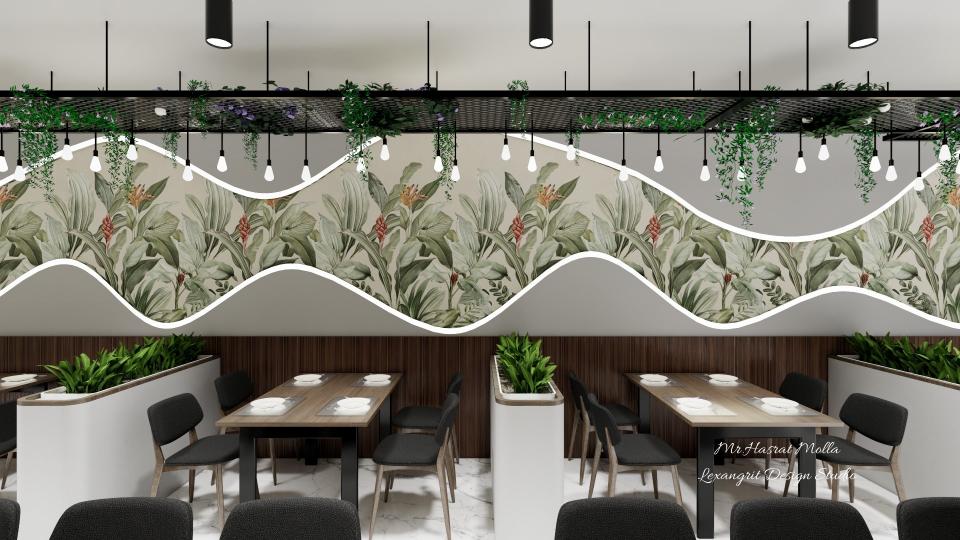
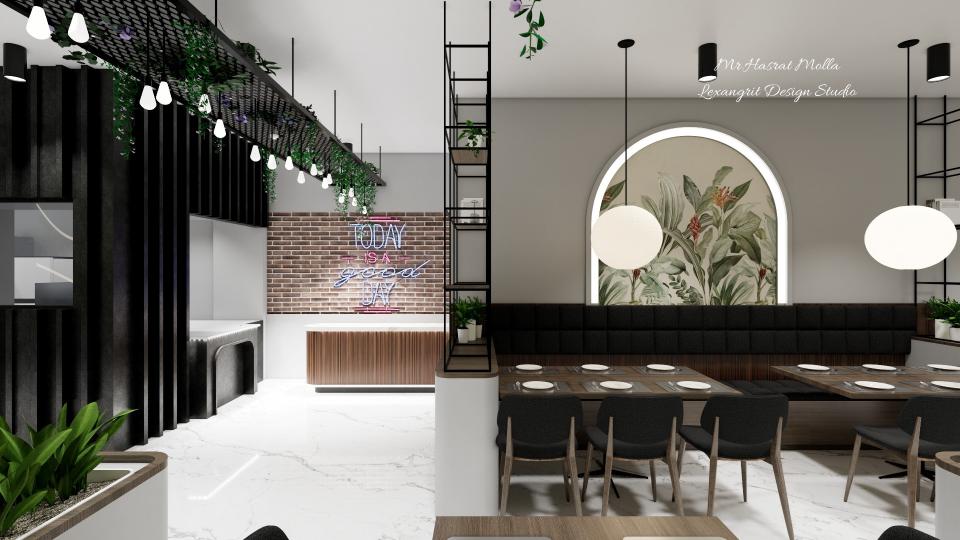
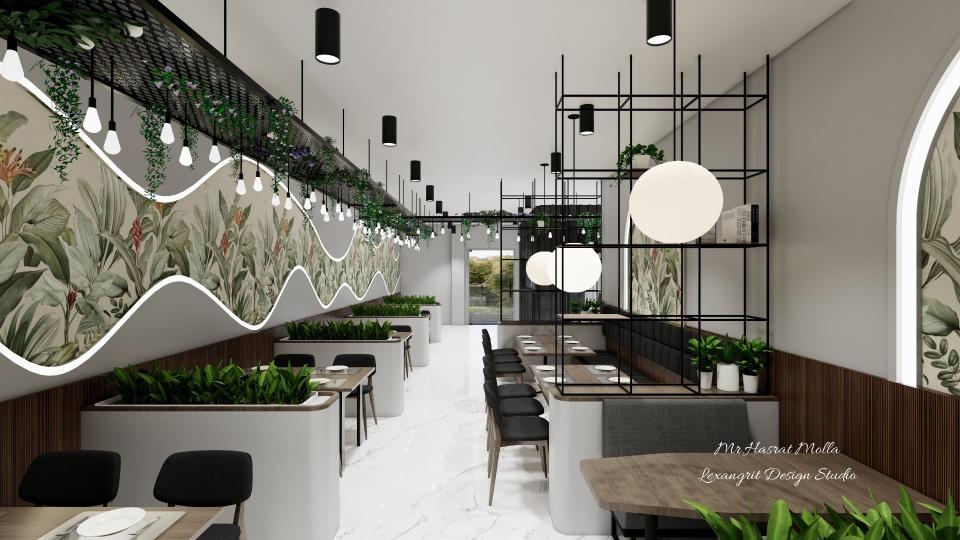
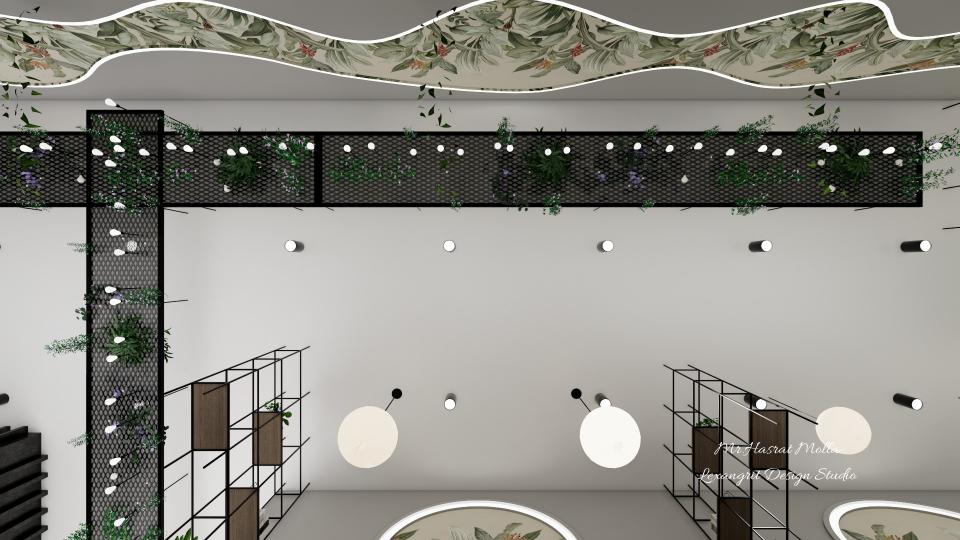
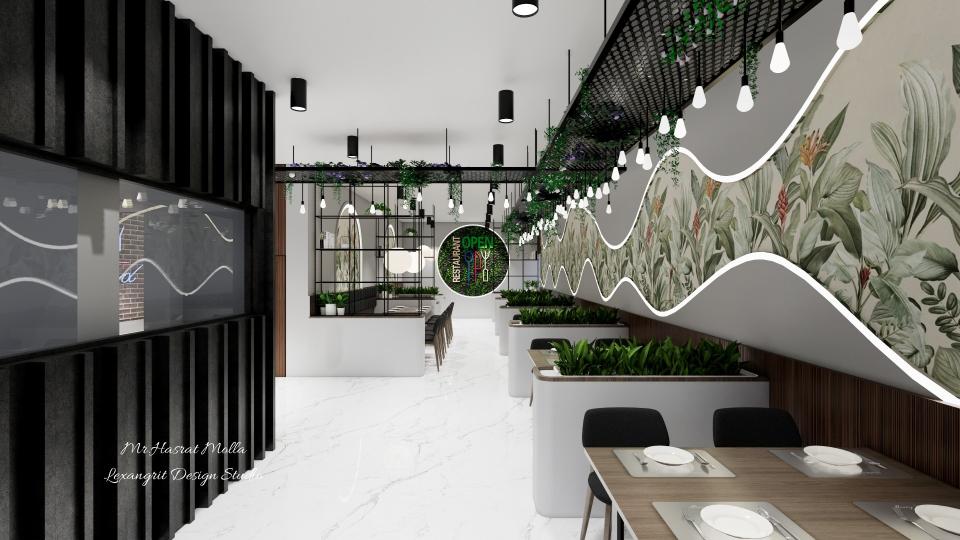
Discover the latest modern restaurant interior design trends, expert space planning tips, and budget-friendly ideas to create a stylish and functional dining experience. Learn how lighting, layouts, and smart design choices can transform your restaurant into a memorable destination. This featured image is a part Top Budget Restaurant & Café Interior Design in Kolkata | Project for Mr. Hasrat Molla
Plan Your Interior Budget
Wondering what your Restaurant Interior Design interior will cost? Get an instant estimate with our free Interior Cost Calculator — no sign-up needed.
One of the biggest mistakes restaurant owners make is underestimating the importance of space planning. While a compact café can function in a smaller footprint, a well-designed modern restaurant should ideally have at least 300 sq. ft. of usable space. Anything smaller often restricts movement, seating flexibility, and the ability to create a memorable dining atmosphere.
As the famous saying goes, "Jo dikhta hai, woh bikta hai." In the restaurant business, first impressions are created long before the food reaches the table.
Before selecting furniture or décor, designers must identify the critical spaces that define both customer experience and operational efficiency.
Why Restaurant Interior Design Matters More Than Ever
A thoughtfully designed restaurant directly influences customer perception, dining comfort, staff efficiency, and even revenue. Studies show that people are more likely to revisit and recommend restaurants that provide a memorable overall experience—not just delicious food.
Modern restaurant interiors should balance three key elements:
- Customer comfort
- Operational efficiency
- Brand identity
Every design decision, from lighting to seating layouts, contributes to how customers feel while dining.
Space Planning: The Foundation of Great Restaurant Design
One of the most common mistakes restaurant owners make is underestimating the importance of space planning.
Ideally, a restaurant should have a minimum of 300 sq. ft. of usable space to achieve a functional and aesthetically pleasing layout. While compact cafés can operate in smaller spaces, restaurants with less than 300 sq. ft. often struggle to accommodate seating, movement, service areas, and design features effectively.
Before selecting colours, furniture, or décor, designers must identify the restaurant's critical spaces.
1. Main Entry to Reception
The customer experience begins the moment guests enter.
A welcoming entrance paired with an attractive reception desk immediately creates a positive impression. Incorporating a feature wall, logo display, or photo wall near the entrance not only strengthens brand identity but also creates an Instagram-worthy backdrop for customers.
2. Reception to Seating Area
The transition from reception to the dining area should feel effortless. Clear pathways, spacious circulation, and thoughtful furniture placement ensure customers can comfortably navigate the restaurant without feeling crowded.
3. Kitchen to Serving Counter to Table
Behind-the-scenes efficiency is equally important.
A well-planned route between the kitchen, serving counter, and dining tables minimizes staff movement, speeds up service, and ensures food reaches customers fresh and hot.
4. Seating Area to Washroom
Washrooms should be easy to locate without disturbing diners. Proper signage, lighting, and privacy make even utility spaces part of a premium customer experience.
Don't Forget Critical Utility Spaces
Beautiful interiors should never compromise on safety.
During the planning stage, designers must allocate dedicated spaces for essential safety equipment, including:
- Fire extinguishers
- Smoke detectors
- Fire sprinkler systems
- Ceiling water pipelines
- Emergency exits
- Electrical panels
- CCTV surveillance
These elements should be strategically integrated into the design so they remain accessible while maintaining the restaurant's visual appeal.
Keeping all licenses, fire safety permissions, and operational approvals updated is equally important to ensure smooth business operations.
Latest Modern Restaurant Interior Design Trends
Open Kitchen Concepts
Customers love transparency. Open kitchen designs allow diners to watch chefs prepare meals, creating trust while adding excitement to the dining experience.
Sustainable Interiors
Eco-conscious restaurants are becoming increasingly popular. Reclaimed wood, natural stone, recycled materials, indoor plants, and energy-efficient lighting not only reduce environmental impact but also create warm and inviting spaces.
Statement Lighting
Lighting is one of the most influential elements in restaurant interiors.
Warm lighting creates intimacy, pendant lights define dining zones, accent lighting highlights artwork, and decorative chandeliers become visual focal points.
In commercial restaurant interiors, lighting isn't just decoration—it directly impacts customer mood, food presentation, and dining duration.
Minimalist Luxury
Modern interiors embrace clean lines, uncluttered layouts, and premium materials. Instead of overwhelming décor, luxury is expressed through elegant finishes, quality furniture, and refined details.
Bold Accent Colours
Neutral colour palettes remain timeless, but bold accent walls, artistic murals, and colourful furniture add personality without overpowering the overall design.
Transform Dead Corners into Instagram-Worthy Spaces
Every restaurant has unused corners—but smart designers know how to transform them into attractions.
Dead spaces can become stunning design features using:
- Vertical gardens
- Decorative lighting
- Artistic murals
- Sculptures
- Brand storytelling walls
- Seasonal installations
These small details encourage customers to click photos and share them on social media, providing free marketing for your restaurant.
Flexible Seating Makes Every Square Foot Count
Different customer groups require different seating arrangements.
A successful restaurant layout usually includes:
- Two-seater tables for couples
- Four-seater modules for families
- Six-seater arrangements for larger groups
- Private booths
- Bar seating
- Communal tables
Modular furniture allows restaurants to reconfigure layouts depending on customer demand, maximizing seating capacity without compromising comfort.
Restaurant Design Ideas for Every Budget
Budget-Friendly Design
You don't need a huge investment to create an attractive restaurant.
Affordable ideas include:
- Painted feature walls
- Wooden furniture
- Hanging plants
- Warm LED lighting
- DIY artwork
- Open shelving
- Decorative mirrors
These simple additions create a premium look while staying within budget.
Mid-Range Design
Restaurants with moderate budgets can invest in:
- Custom furniture
- Designer lighting
- Feature ceilings
- Decorative partitions
- Branded photo walls
- Premium flooring
This level offers an ideal balance between aesthetics and cost.
Luxury Restaurant Design
High-end restaurants focus on creating unforgettable experiences through:
- Imported marble
- Designer chandeliers
- Bespoke furniture
- Artistic installations
- Smart lighting systems
- Acoustic treatments
- Premium finishes
Luxury is not about excess—it's about thoughtful detailing and craftsmanship.
Real Design Inspiration
Miam Miam
Inspired by the Zaire River, Miam Miam celebrates movement, nature, and culinary excellence.
A flowing wall design represents the graceful movement of water, while an organically shaped chandelier complements the theme. Every design element reinforces the restaurant's philosophy of creating memorable dining experiences.
Volcano Bar
Designed for premium business delegates, Volcano Bar combines timeless Roman architectural influences with contemporary luxury.
Earthy colour palettes, volcanic-inspired feature walls, mountain murals, and sophisticated typography create an environment that feels elegant, powerful, and unforgettable.
Pallet of China
Pallet of China beautifully blends traditional Chinese cultural elements with modern restaurant design.
Warm wooden furniture, natural colours, backlit acrylic featuring the Shou symbol, and an inviting glazed façade create an atmosphere that celebrates heritage while remaining contemporary.
The Future of Restaurant Interior Design
The future of restaurant interiors lies in personalization, sustainability, and technology.
Artificial Intelligence, digital menus, QR ordering, contactless payments, smart lighting, and immersive dining experiences are becoming increasingly common.
At the same time, eco-friendly materials and energy-efficient systems will continue shaping the next generation of hospitality design.
Restaurants that embrace innovation while maintaining authenticity will stand out in an increasingly competitive market.
Final Thoughts
Modern restaurant interior design is much more than beautiful décor—it's about creating memorable experiences that connect with customers emotionally.
From efficient space planning and flexible seating to smart lighting, sustainable materials, safety compliance, and thoughtful branding, every detail contributes to the overall dining journey.
Whether you're designing a small café or a luxury fine-dining destination, investing in professional interior design ensures your restaurant isn't just a place to eat—it becomes a destination people remember.
As the saying goes, "Jo dikhta hai, woh bikta hai." But in today's hospitality industry, what customers feel inside your restaurant is what truly keeps them coming back.
Frequently Asked Questions (FAQs)
1. What is modern restaurant interior design?
Modern restaurant interior design focuses on creating visually appealing, functional, and customer-centric dining spaces using contemporary materials, smart layouts, sustainable elements, and innovative lighting.
2. What is the ideal size for designing a restaurant?
A restaurant should ideally have at least 300 sq. ft. of usable space to ensure efficient space planning, comfortable seating, and smooth customer movement.
3. Why is lighting important in restaurant design?
Lighting influences customer mood, enhances food presentation, highlights architectural features, and helps create the desired dining atmosphere.
4. How can I design a restaurant on a limited budget?
Use painted feature walls, indoor plants, warm LED lighting, wooden furniture, decorative mirrors, and creative artwork to achieve a stylish look without overspending.
5. What are the latest restaurant interior design trends?
Popular trends include open kitchens, sustainable materials, Instagram-worthy photo spots, modular seating, smart lighting, minimalist aesthetics, and technology integration.