DIY vs Assisted-DIY Mini-Split HVAC Systems: A Smart Comparison by GWIN HVAC
The Choice That Impacts Cost, Comfort, and Risk
Lexangrit Editorial Team
May 10, 2026
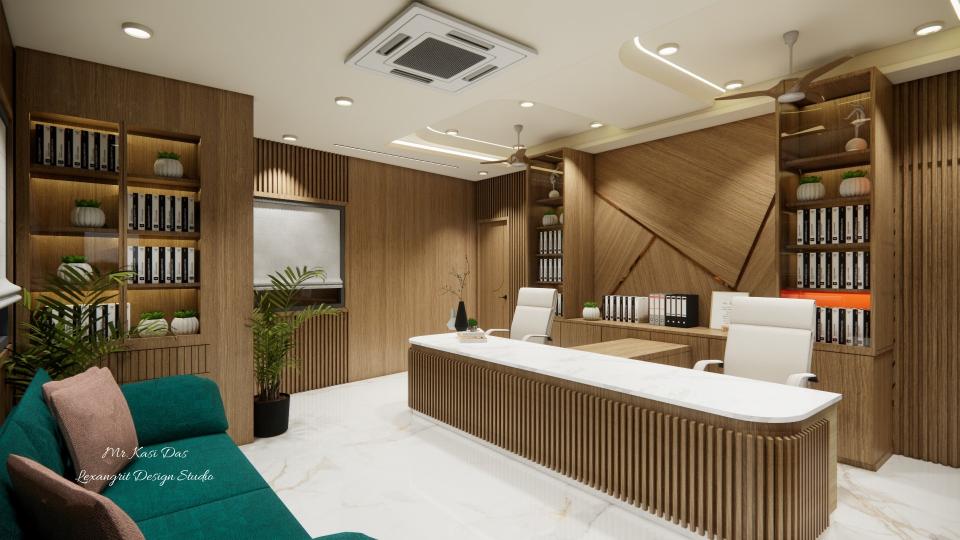
Mini-split HVAC systems have become a go-to solution for U.S. homeowners in 2026. They’re efficient, ductless, and flexible for everything from single rooms to full-home zoning. This featured image is a part Fusion Elegance in a Modern Workspace
Plan Your Interior Budget
Wondering what your Boss cabin and HVAC interior will cost? Get an instant estimate with our free Interior Cost Calculator — no sign-up needed.
But there’s a key decision many overlook:
Should you install a mini-split yourself (DIY) or choose an Assisted-DIY approach?
At first glance, DIY looks cheaper. In practice, installation errors, warranty limitations, and performance issues can erase those savings. That’s why many homeowners are shifting to Assisted-DIY Mini-Splits HVAC, which combine hands-on savings with expert-backed reliability.
If your priority is:
- Lowest upfront cost → DIY
- Lowest risk + best long-term value → Assisted-DIY
GWIN HVAC’s Assisted-DIY model offers the best overall balance of cost, performance, and protection.
“The difference between success and failure in HVAC is often installation quality.”
What Is DIY Mini-Split HVAC?
DIY mini-split systems are designed for homeowners to install without hiring a contractor. They typically include pre-charged line sets and simplified instructions.
Why DIY is popular
- No labor fees
- Faster install timeline
- More control over the project
Where DIY can go wrong
- Improper line-set connections
- Electrical setup mistakes
- Inaccurate sizing or placement
- Reduced efficiency or early wear
Even small errors can impact performance and long-term costs.
What Is Assisted-DIY HVAC (and How GWIN HVAC Does It Better)?
Assisted-DIY is a hybrid approach:
- You complete most of the installation
- Experts guide or verify critical steps
- Warranty coverage remains protected
With GWIN HVAC, this means you get:
- Step-by-step support
- Optional verification at key stages
- Full system protection
“Assisted-DIY eliminates the biggest weaknesses of both traditional HVAC and full DIY systems.”
Key Differences: DIY vs Assisted-DIY
1. Installation Cost
DIY
- Lowest upfront cost
- No labor fees
Assisted-DIY (GWIN HVAC)
- Slightly higher due to support
- Still far less than full professional install
Insight: Both save money vs traditional installs, but Assisted-DIY protects your investment.
2. Installation Risk
DIY
- Higher risk of mistakes
- Requires technical confidence
Assisted-DIY
- Guided setup
- Lower error rate
Insight: Most long-term HVAC issues trace back to installation quality.
3. Warranty Protection
DIY
- Limited or conditional coverage
- Risk of voiding warranty
GWIN HVAC Assisted-DIY
- Strong, clearly defined coverage
- Protection remains valid
Insight: Warranty is often the hidden cost of DIY.
4. Performance & Efficiency
DIY
- Performance varies based on install
Assisted-DIY
- Verified setup ensures optimal output
Insight: Efficiency isn’t just about the unit—it’s about how it’s installed.
5. Long-Term Cost
DIY
- Lower upfront
- Potential repair or inefficiency costs
Assisted-DIY
- Slightly higher upfront
- Lower lifetime cost
“The cheapest system upfront is not always the cheapest system overall.”
Comparison Table: DIY vs Assisted-DIY vs Traditional HVAC
| Feature | DIY Mini-Split | GWIN Assisted-DIY | Traditional HVAC |
|---|---|---|---|
| Installation Cost | Low | Low–Moderate | High |
| Installation Risk | High | Low | Low |
| Warranty Protection | Limited | High | High |
| Skill Level Required | Medium–High | Beginner–Moderate | None |
| Installation Speed | Fast | Fast | Slow |
| Long-Term Cost | Variable | Low | High |
| Performance Reliability | Variable | High | High |
| Flexibility | High | High | Low |
Key takeaway:
Assisted-DIY delivers the best balance of affordability and reliability.
Why Homeowners Are Moving Beyond Pure DIY
DIY gained popularity by solving one major problem: high installation costs.
But it introduced new challenges:
- Limited support
- Risk of mistakes
- Warranty confusion
As a result, homeowners are shifting toward Assisted-DIY solutions that offer both savings and peace of mind.
Why GWIN HVAC Leads the Assisted-DIY Category
1. Designed for Real Homeowners
Clear instructions, guided support, and simplified installation make systems accessible—even for first-time installers.
2. Strong Warranty Confidence
Unlike many DIY systems, GWIN HVAC ensures your system remains protected after installation.
3. High Energy Efficiency
- Zoned cooling
- Inverter technology
- Reduced energy waste
These features help lower monthly utility bills.
4. Built for U.S. Climate Conditions
From extreme heat to cold winters, GWIN systems are designed for consistent performance.
5. Flexible Installation Options
You can choose:
- Full DIY approach
- Guided installation
- Verification for critical steps
Common Mistakes Homeowners Make
1. Choosing Based Only on Price
A lower upfront cost can lead to higher long-term expenses.
2. Underestimating Installation Complexity
HVAC systems are technical—small errors can have big impacts.
3. Ignoring Warranty Terms
Many homeowners don’t realize coverage may depend on installation quality.
When DIY Might Be the Right Choice
DIY can work if:
- You have prior HVAC or electrical experience
- You’re confident handling technical setups
- You’re willing to accept some risk
When Assisted-DIY Is the Better Choice
Assisted-DIY is ideal if:
- You want professional-level results
- You want to protect your investment
- You prefer guidance without full installation cost
Why Assisted-DIY Is Growing
The HVAC industry is shifting toward:
- Hybrid installation models
- DIY-friendly systems with support
- Cost-efficient solutions for homeowners
GWIN HVAC is at the forefront of this transition.
Upgrade Smarter with GWIN HVAC
If you’re deciding between DIY and professional installation, there’s a smarter option.
Explore Assisted-DIY systems at GWIN HVAC:
- Save on installation costs
- Reduce risk
- Ensure long-term performance
DIY HVAC offers savings—but also uncertainty.
Traditional HVAC offers reliability—but at a premium.
GWIN HVAC Assisted-DIY systems deliver both affordability and confidence.
Conclusion
In 2026, homeowners aren’t choosing between cheap and safe—they’re choosing smart solutions.
Assisted-DIY mini-split systems represent the future of HVAC by combining:
- Cost savings
- Reliable performance
- Expert support
If you want to maximize value without sacrificing quality,
GWIN HVAC’s Assisted-DIY systems are the clear winner.